Professor Phil Bennett of Imperial College has submitted a report to the CCRC arguing that Baby O, a triplet born at 32 weeks in June 2016, probably suffered a fatal liver injury during a difficult caesarean delivery rather than from an injection. Bennett cites medical literature showing similar injuries can present one to seven days after birth, often around 48 hours. Letby’s defence say they were denied access to maternity notes, and critics highlight failings at the Countess Of Chester maternity unit. The CCRC is reviewing the conviction and may refer the case back to the Court of Appeal.
Imperial College Expert Says Baby O Likely Suffered Birth Trauma During Delivery — Report Sent To CCRC
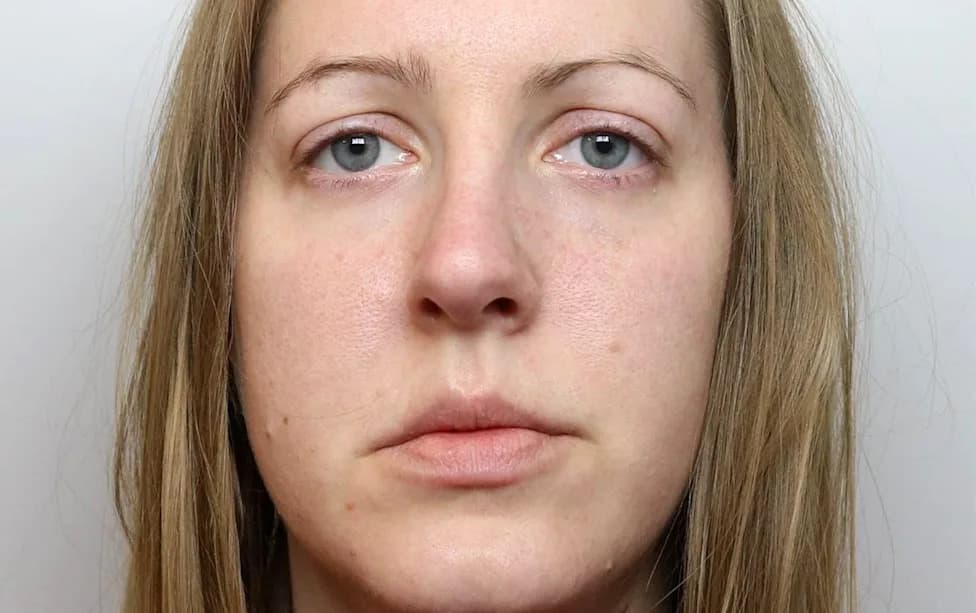
Lucy Letby was convicted of murdering Baby O, who had collapsed two days after birth - Cheshire Constabulary
An expert in pre‑term birth at Imperial College London has concluded that Baby O, one of triplets born at 32 weeks in June 2016, most likely sustained a fatal liver injury during delivery rather than from an injection, and has submitted a report to the Criminal Cases Review Commission (CCRC) challenging aspects of Lucy Letby’s conviction.
New Expert Opinion
Professor Phil Bennett, a professor of obstetrics and gynaecology and an internationally recognised authority on pre‑term birth, argues in his report that the baby’s pattern of collapse — apparently well for around 48 hours after birth, then suddenly deteriorating — is consistent with delivery‑related liver injury documented in medical literature.
“Delivery of triplets at 32 weeks is not an easy delivery, and it’s easy to conceive that some damage could be done to those babies during delivery,” Prof Bennett told BBC Radio 4’s File on 4. He noted that similar presentations are described in the literature: infants may appear well for one to seven days, with an average delay of about 48 hours before sudden collapse.
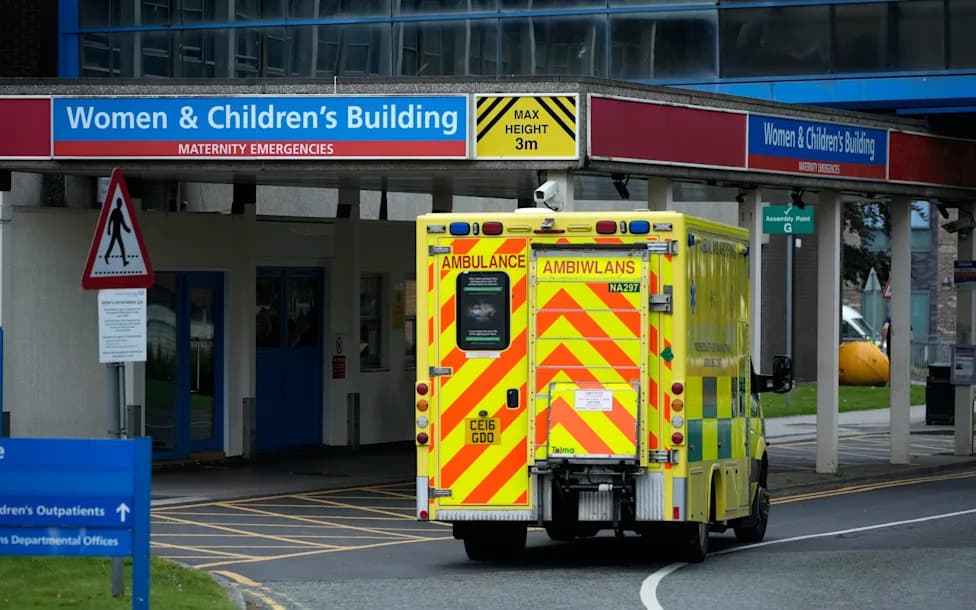
What Happened at the Countess Of Chester
Accounts submitted to the Thirlwall Inquiry describe an urgent caesarean section in which blood and fluid sprayed onto a theatre wall and the mother’s head when the surgeon incised the abdomen. Prof Bennett says that description is consistent with an obstetrician having inadvertently cut a maternal blood vessel, creating an urgent need to deliver the babies and potentially causing traumatic injury to a neonate.

Prof Phil Bennett is an international authority on pre-term birth at Imperial College London
Defence Access And Evidence Concerns
Letby’s defence team said they were not given access to the maternity notes despite requesting them, and therefore had to rely on parents’ police interviews and prior inquiry testimony. Defence counsel argued that without the maternity records, experts at trial did not have the full clinical context before the babies deteriorated.
Broader Concerns About Maternity Care
The Countess Of Chester’s maternity services have been criticised for problems at the time of the births, including an elevated number of stillbirths and errors in fetal heart‑rate monitoring. Since the trial, other bereaved parents have described traumatic deliveries and lapses in care; independent reviews have suggested some infants might have survived with earlier intervention in a few cases.
Legal Status
Lucy Letby, from Hereford, is serving whole‑life orders after being convicted of murdering seven infants and attempting to murder seven others. Hundreds of professionals, including scientists and clinicians, have since raised questions about aspects of the evidence and the statistical interpretation presented at trial. The CCRC is considering Prof Bennett’s report as it decides whether to refer the case back to the Court of Appeal; Letby has been refused permission to appeal on previous occasions.
Notes
This article summarises public reporting and the expert report submitted to the CCRC; it does not seek to reassess the conviction but to report on new expert opinion and procedural concerns raised by defence representatives and independent reviewers.
Help us improve.