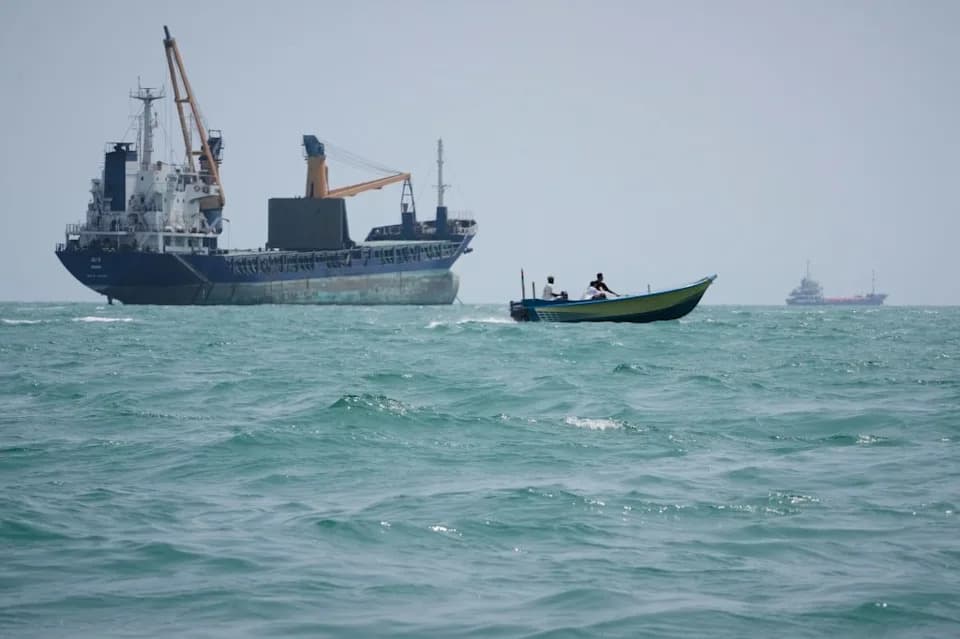
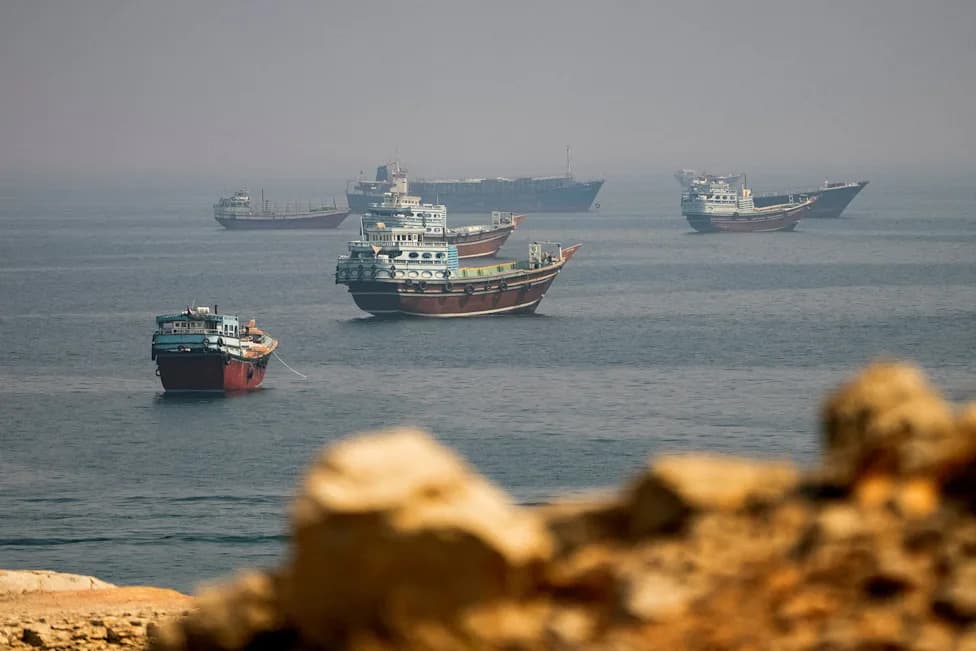
Key Takeaway: Although CENTCOM says the Strait of Hormuz remains open, commercial traffic has dropped sharply amid a wave of attacks blamed on Iran and its allies. Monitoring groups tracked just a handful of transits and most large, international merchant vessels are effectively avoiding the route. The threat has spread to the Bab el-Mandeb, and the U.N. reports 61 attacks in Hormuz with at least 17 mariners killed.
Commercial Shipping Evades Strait of Hormuz Amid Surge of Attacks
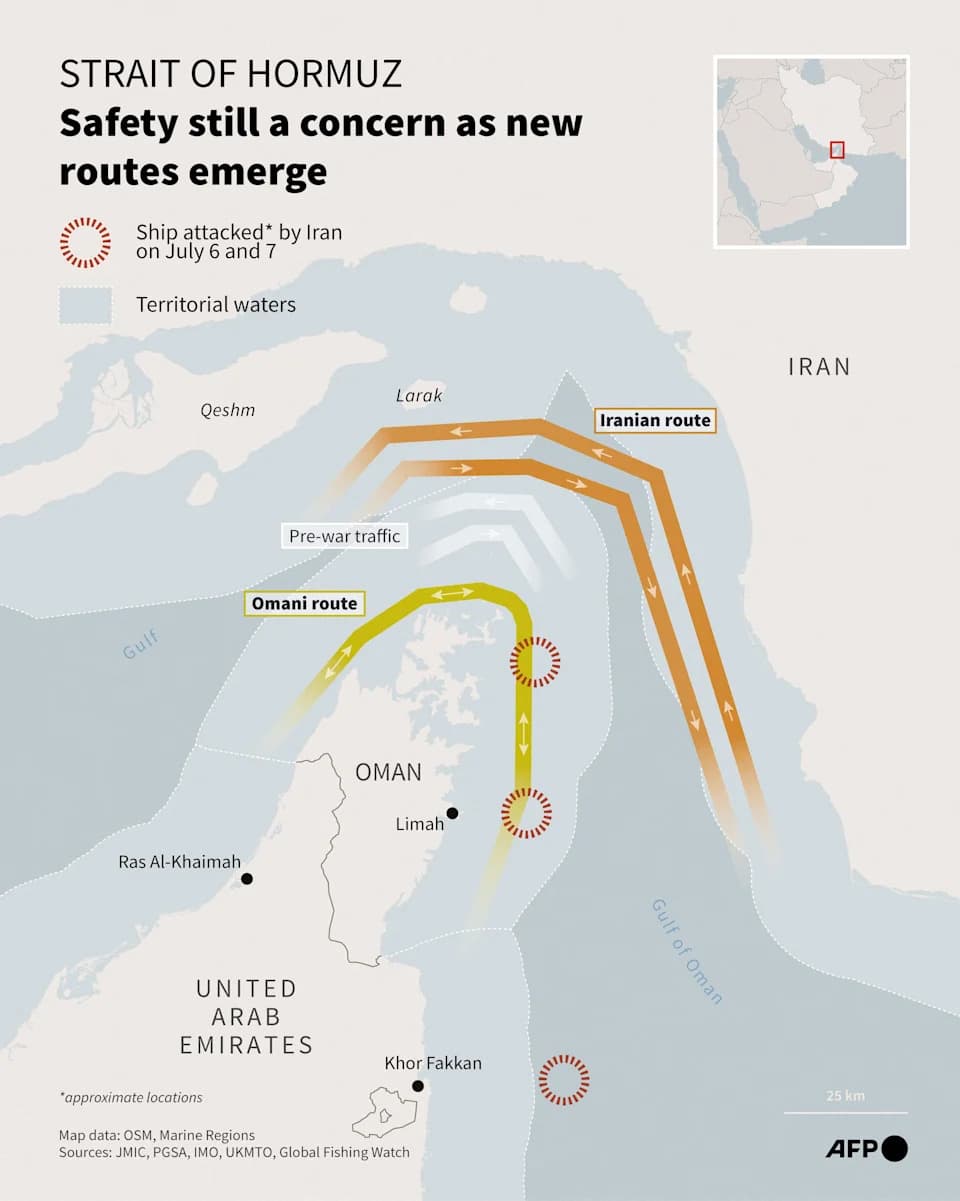
Map of the Strait of Hormuz showing the shipping corridor coordinated by Oman, the Iran-designated corridor, and the location of Iranian attacks on boats on July 6 and 7. / Credit: AFP/Getty
London — Despite repeated U.S. assurances that the Strait of Hormuz remains open, commercial shipping has largely avoided the vital waterway as attacks attributed to Iran and its allies mount.
Military Claims vs. Industry Reality
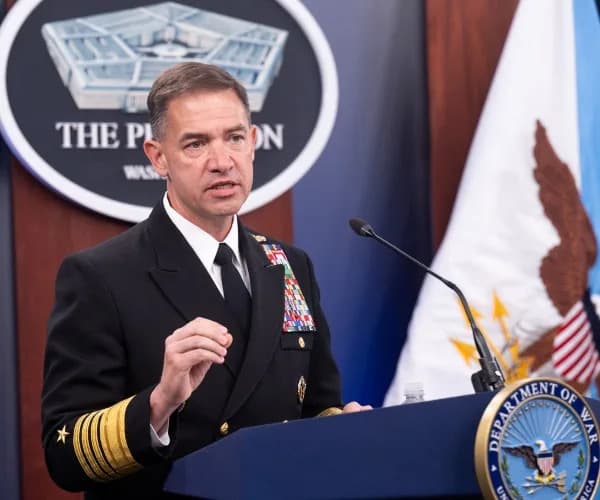
The U.S. Central Command reiterated Tuesday that the strait is open for commercial traffic, even as it acknowledged more than 30 attacks on commercial vessels since the war began. CENTCOM said those strikes have endangered hundreds of mariners and undermined freedom of navigation.
President Donald Trump has repeatedly declared the strait open and warned this week that the U.S. would destroy an Iranian bridge or power plant in response to any new attack on a transiting vessel.
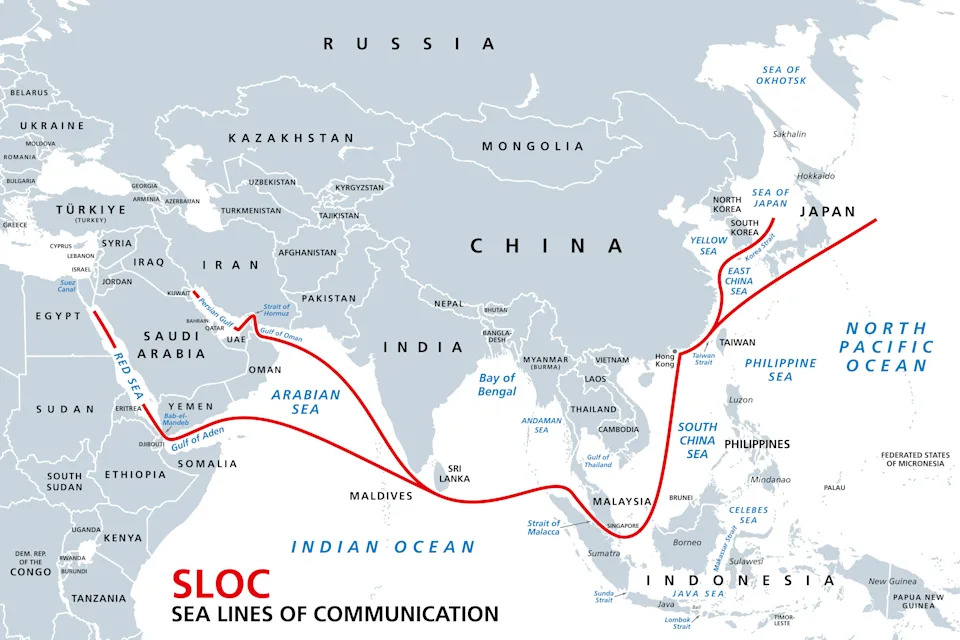
A map shows major routes for energy resources and other trade from the Middle East to Asia, including the Bab el-Mandeb strait and the Strait of Hormuz. / Credit: Getty/iStockphoto
Commercial Traffic Plummets
Industry and monitoring groups paint a different picture. The Joint Maritime Information Center in Bahrain reported that commercial traffic through the Strait of Hormuz fell to a three-week low amid continuing strikes. CBS News tracked only three commercial vessels — two cargo ships and the Chinese-owned tanker Hsin Ocean — transiting the strait on a recent day.
Between July 13 and 19, Lloyd's List reported that only two ships used the U.S.-backed southern corridor along Oman's coast, and both made "dark" transits with their AIS transmitters switched off.
Dimitris Maniatis, CEO of Marisks: "If we're talking about large ocean-going, internationally owned-and-operated merchant vessels, nothing is going through."
Maniatis said U.S. protection for vessels using the southern route has been largely limited to air cover during convoy transits — a measure he called inadequate, since ships have continued to be struck while crossing the southern corridor.
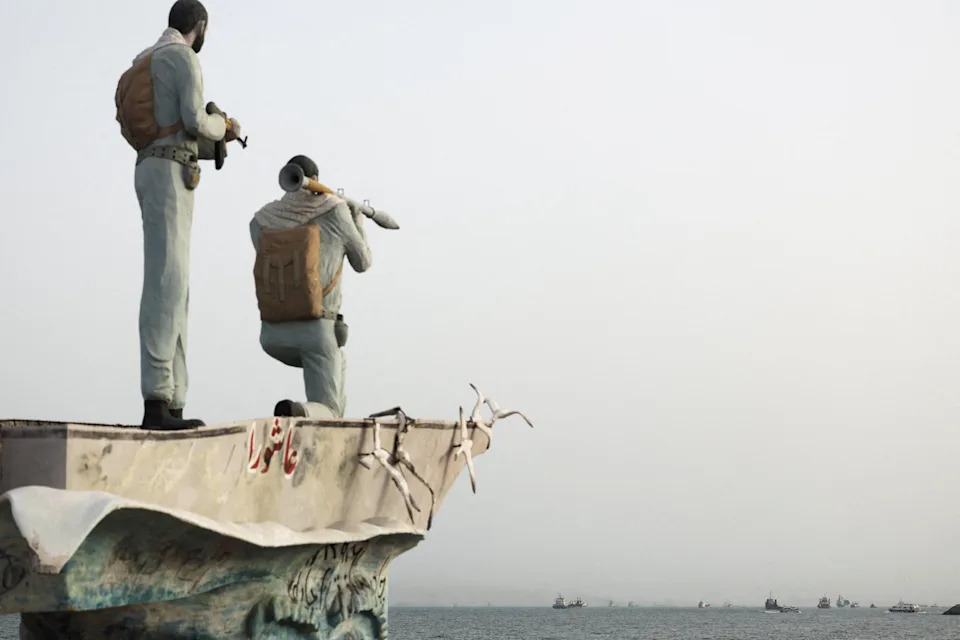
A statue of Iranian military members is seen with vessels in the Strait of Hormuz in the background, near the beach of Bandar Abbas, Iran, in a May 22, 2026 file photo. / Credit: Majid Asgaripour/WANA/REUTERS
Operators, Crews and Financial Pressures
Greek operator Dynacom — once among the few willing to run crews through the strait — reported two of its vessels were struck off Oman's coast earlier this week, forcing crew evacuations. Bloomberg reported South Korea's Sinokor Group is offering mariners six months' extra pay to persuade them to make a return voyage through the corridor.
Maniatis also described a growing psychological toll on crews operating in the region, saying many are "absolutely destroyed" and some no longer want to serve at sea.
Threats Spread To Bab el-Mandeb
Iran-aligned Houthi rebels in Yemen announced plans to block Saudi shipments through the Red Sea, threatening the Bab el-Mandeb — another narrow chokepoint. At least five commercial vessels were seen turning back after the announcement. Before the conflict escalated, roughly 30% of global oil supplies transited the two straits annually.
According to the U.N.'s International Maritime Organization, there have been 61 separate attacks in the Strait of Hormuz since the broader conflict began, leaving at least 17 commercial mariners dead.
Outlook
With commercial operators avoiding the route, limited naval protection and an expanding set of threats, the outlook for safe, regular transit of these chokepoints remains uncertain. Shippers, insurers and governments will need clearer security assurances or alternate routings if trade through these corridors is to resume at normal levels.
Help us improve.