Researchers observed chimpanzees and bonobos in the Democratic Republic of Congo and Zambia and found that gentle touch — holding hands, patting and kissing — during five-minute anticipation periods before feeding reduced aggression when food arrived. The study, published in Proceedings of the Royal Society B, argues that risky forms of contact can signal trust. The findings mirror human evidence that handshakes and consensual touch promote cooperation and lower stress.
Hold Hands, Calm Down: Chimp Study Finds Touch Defuses Tension
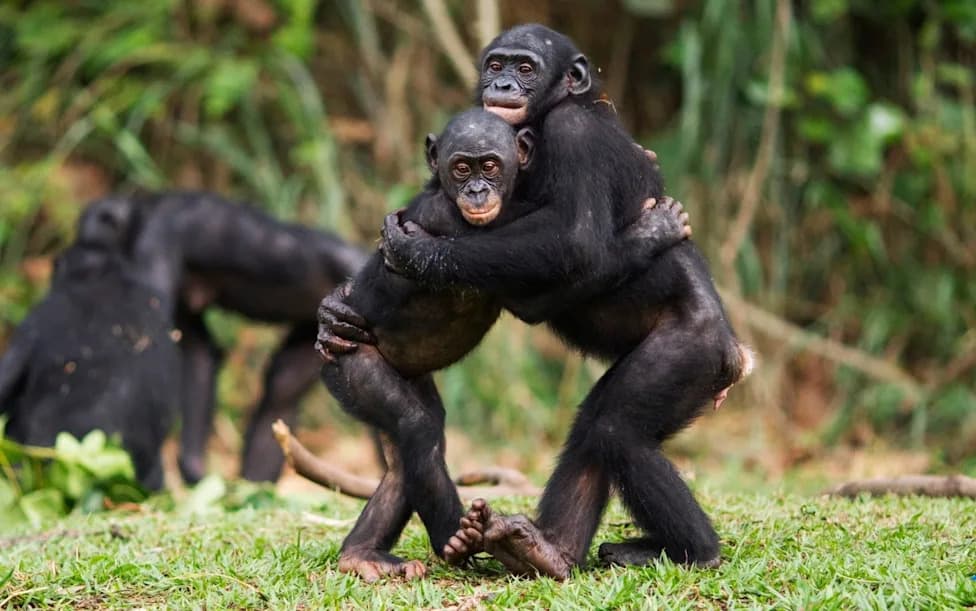
Animals from the great ape family such as bonobos use touch to reduce stress and improve social relationships - Anup Shah/Stone RF
When a potentially tense moment is minutes away, a simple touch can change the mood — and our closest primate relatives appear to know this instinctively. Researchers watching chimpanzees and bonobos found the apes reached for gentle contact in the minutes before feeding, and those who touched first behaved more amicably once food arrived.
What the researchers did
Scientists observed groups of chimpanzees and bonobos in the Democratic Republic of Congo and Zambia during staged five-minute anticipation periods before the apes were given a bucket of peanuts. During these windows the animals repeatedly patted, kissed, held hands and made other forms of gentle contact.
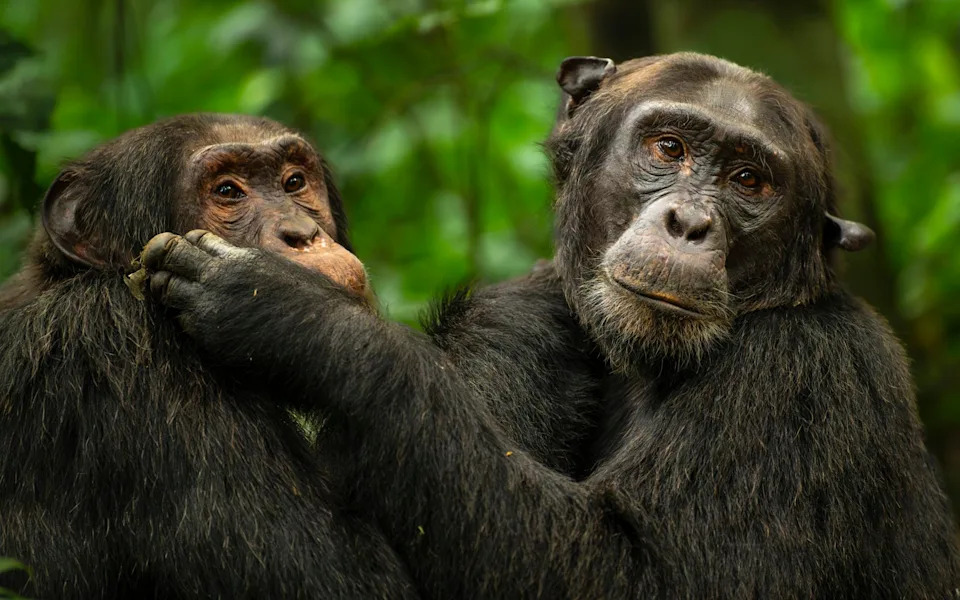
Chimpanzees are friendlier with each other after patting and kissing each other when anticipating food, researchers discover - Shabbir Jasdanwala/iStockphoto
Key findings
The apes that engaged in pre-emptive touching showed reduced aggression and more friendly behaviour when the food arrived. Some contacts were surprisingly intimate — chimpanzees sometimes slipped fingers into each other's mouths or held one another's genitals in tense moments — actions the authors describe as "extraordinarily risky" for a species capable of lethal aggression. The researchers propose that offering such vulnerability signals trust and lowers the chance of conflict.
Why it matters for humans
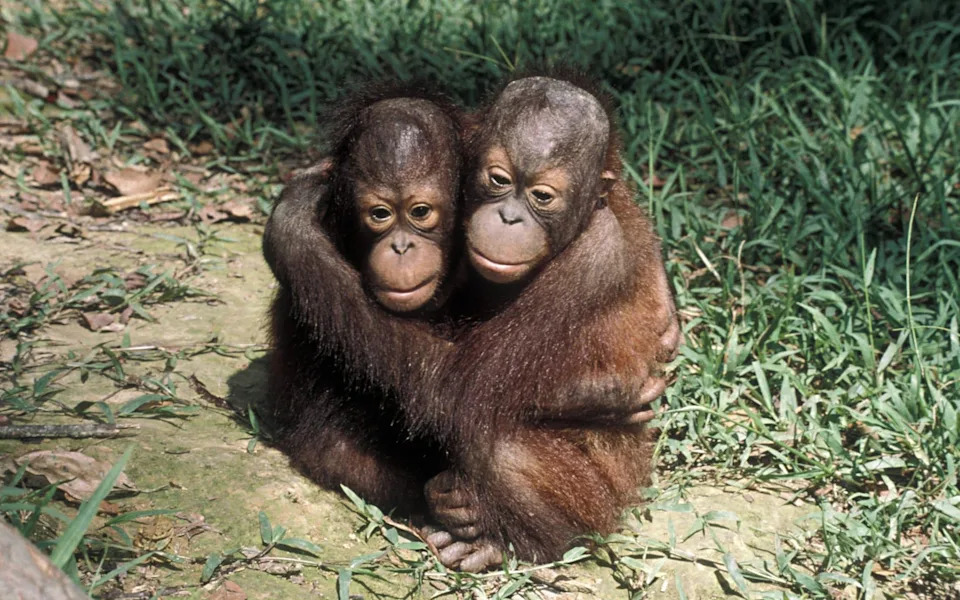
Apes, such as orangutans, use physical touch to show they want to co-operate in moments of potential conflict - Martin Harvey/The Image Bank RF
Prof Zanna Clay and co-author Jake Brooker suggest this pattern has parallels in human social rituals. Formal gestures such as handshakes likely evolved from similar displays of trust and cooperative intent. Human studies support this idea: a 2019 paper in the Journal of Personality and Social Psychology found negotiators who shook hands reached better deals and lied less.
Broader context
Physical touch is widely associated with reduced stress and stronger social bonds. The often-cited guidance from psychotherapist Virginia Satir — that people need several hugs daily to thrive — aligns with research linking tactile contact to mental well-being. A 1995 study reported that receiving regular hugs can help alleviate symptoms of depression, reinforcing the idea that consensual touch is a low-cost way to reduce hostility and promote cooperation.
"Humans, like chimpanzees and bonobos, have to deal with competition and stressful situations every day, and like them, we need to co-operate," said Prof Zanna Clay. "A friendly touch before a difficult conversation can signal trust and make cooperation more likely."
Conclusion
The observations of great apes, together with human studies, suggest that simple, consensual contact before tense interactions can be an effective strategy to defuse conflict. Whether among teammates, negotiators or family members, a brief touch or handshake may do more than soothe — it can change expectations and encourage cooperation.
Help us improve.