Climate harms are here now: Canadian wildfire smoke and record European heat show many impacts are unavoidable in the short term. While emissions cuts remain essential, societies must scale proven adaptations — indoor air filtration, public clean-air centers, worker protections, and heat shelters — to prevent illness and death today. These measures are affordable and effective; what’s missing is standards, funding, and the political will to deploy them before the next season arrives.
Adaptation Isn’t Surrender — It’s Survival: Why We Must Prepare Now for Wildfire Smoke and Extreme Heat
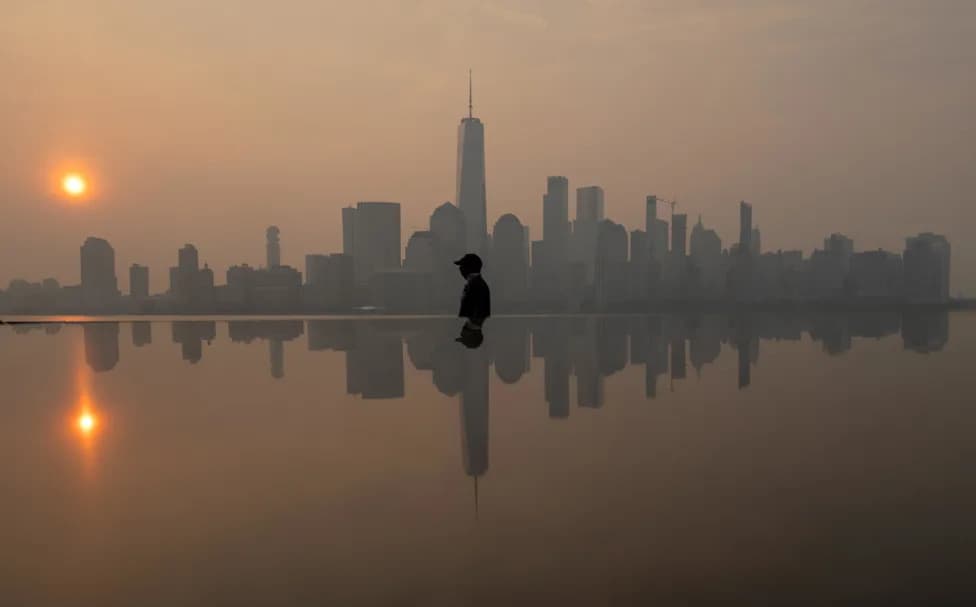
The skyline of lower Manhattan is reflected on the top of a monument as wildfire smoke from Canada shrouds the sunrise in New York City on July 18, 2026, as seen from Jersey City, New Jersey. | Gary Hershorn/Getty Images
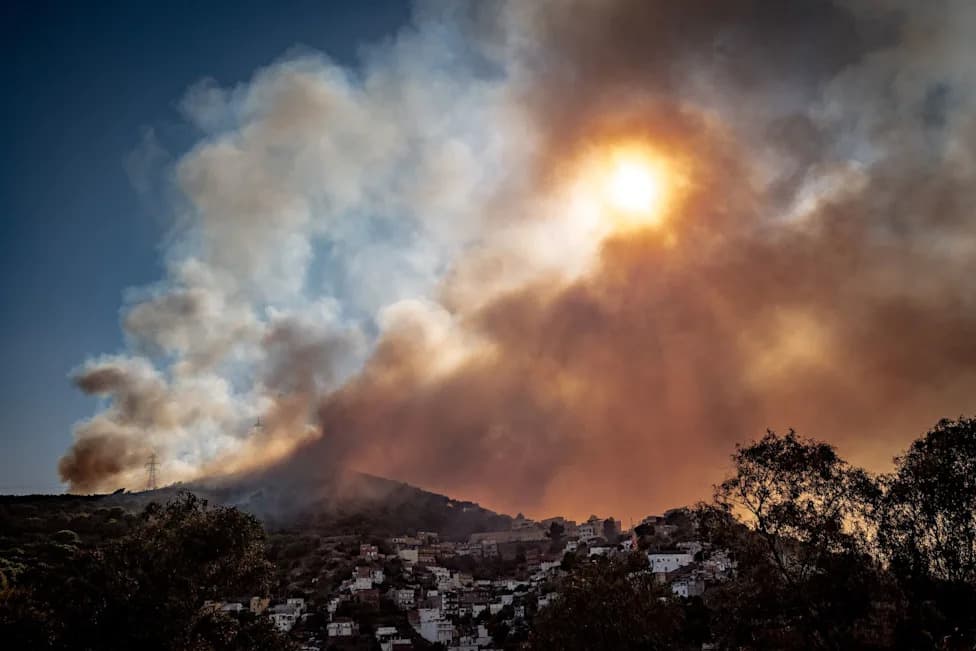
This summer made one thing painfully clear: many of the climate harms scientists warned about are no longer future threats — they are present-day realities. From Canadian wildfire smoke that spread across more than 120 million Americans to record-breaking heat waves in Europe that contributed to thousands of deaths, the limits of mitigation alone have been exposed. We must urgently scale up proven adaptations that protect people now.
The Bitter Lesson, Applied to Climate
In 2019 AI researcher Rich Sutton described a "bitter lesson": decades of research showed that scaling simple, robust approaches often outperformed elegant, hand-crafted solutions. Climate change delivers a comparable lesson. Many of the harms we forecasted are already locked in on the timescales that matter to people. That reality doesn’t mean we should stop cutting emissions — every ton avoided reduces the adaptation burden — but it does mean adaptation is a necessary, immediate priority.
Why Canadian Smoke Feels Unstoppable
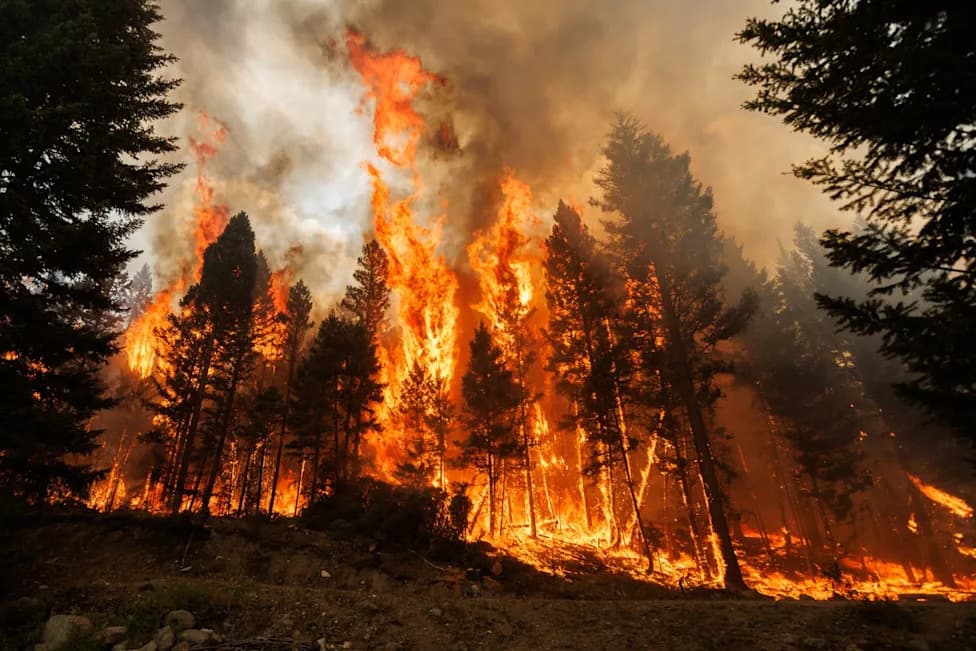
Canadian wildfires are as close to an unstoppable disaster as exists today: most ignitions are lightning-driven, the fires burn across vast boreal forests that are difficult to manage at scale, and the source lies outside U.S. jurisdiction. While prescribed burns and thinning help reduce fires in parts of the western U.S., there is no plausible short-term pathway for U.S. mitigation alone to prevent Canadian smoke from crossing the border.
U.S. law already acknowledges this reality. Under the Clean Air Act’s Exceptional Events Rule, states can petition the EPA to exclude wildfire-smoke days from air-quality records used to determine compliance — in effect, removing extreme smoke events from the regulatory ledger rather than eliminating the risk itself.
Smoke Is Worse Than It Looks
Wildfire PM2.5 — microscopic particulate matter — is roughly three to four times more toxic to lungs per unit mass than typical urban particulate matter. During major smoke events pediatric asthma visits can spike by more than 30 percent, and research from Harvard and others shows cardiorespiratory effects can persist for months after the skies clear. That long tail of harm is especially dangerous for vulnerable groups: infants, pregnant people, the elderly, and those with preexisting conditions.
And the trend is worsening: the most extreme wildfire events globally more than doubled between 2003 and 2023. Fires are lengthening their seasons as fuels dry and fire weather becomes more favorable. The smoke goes where the wind takes it.
Adaptation Works — And It’s Affordable
We cannot change the wind, and large-scale emissions reductions will take years to reduce these infernos’ likelihood. But affordable, proven measures can protect people now.
- Indoor Air Filtration: A Corsi-Rosenthal box — four furnace filters attached to a box fan — can cut indoor PM2.5 by roughly half. Real-world testing during wildfire conditions found a DIY unit removed about 56% of fine particles in a large room and up to ~99% in a small, well-sealed room. Commercial HEPA purifiers are also highly effective.
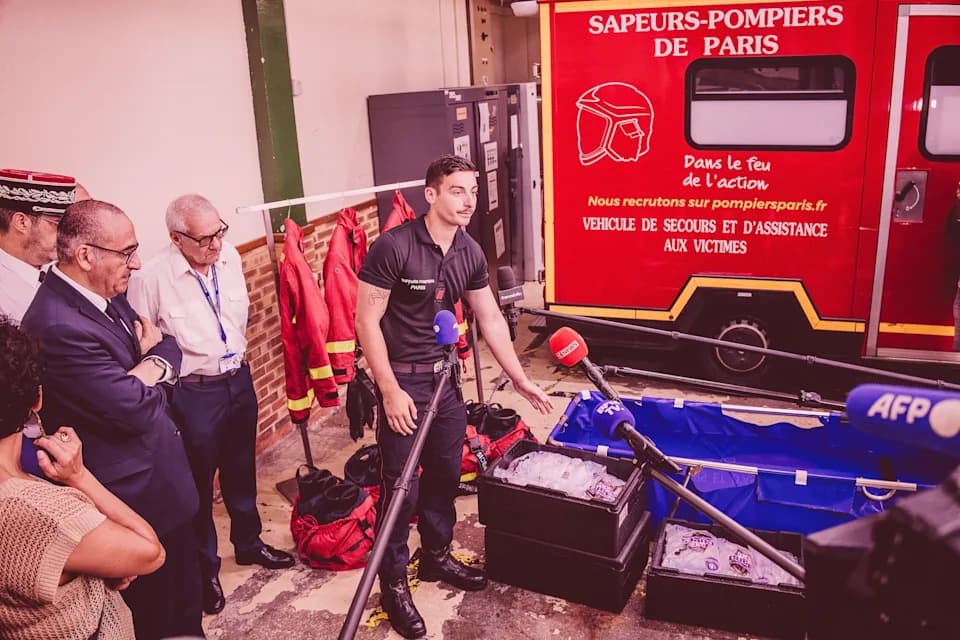
- Heat Protections: France’s national heat plan, created after the deadly 2003 heat wave, introduced tiered alerts, registries of vulnerable residents, phone check-ins, and cool rooms. Those measures reduced comparable heat-wave mortality by roughly 90%; when France hit 114.8°F in 2019, fewer than 1,500 people died. A recent European analysis estimates a repeat of 2003 would now kill about 77% fewer people in France than in an unadapted scenario.
Where Policy Is Moving — And Where It’s Not
Some places are adopting practical protections. Washington, Oregon, and California regulate outdoor workers’ smoke exposure using the air-quality index and standards like Cal/OSHA’s wildfire-smoke rule. California funds "clean air centers" with upgraded filtration. Colorado’s Clean Air for Schools program ships HEPA units to K–12 classrooms. Barcelona runs nearly 400 "climate shelters" — libraries, museums, and retrofitted schoolyards — aiming to place one within a 10-minute walk for every resident.
But many regions remain unprepared. Midwestern and Northeastern U.S. states that experienced smoke often lack widespread indoor-filtration programs or legal protections for workers. The U.S. has no enforceable national indoor air quality standard that would require basic protections across states. In Europe, only about one in five households has air conditioning — versus nearly nine in ten in the U.S. — in part because of cultural resistance and policy gaps that leave people exposed to deadly heat.
Adaptation Is Not an Excuse — It’s Responsibility
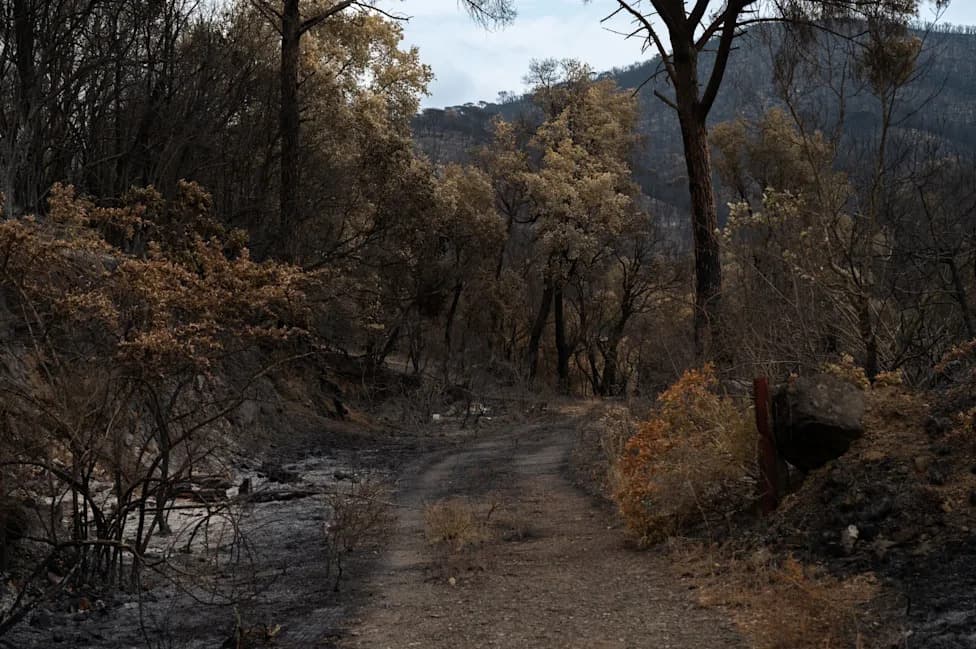
For years, "adaptation" carried stigma as an excuse to delay mitigation. But projections have come true: longer fire seasons, more intense heat, and smoke reaching new regions. Taking adaptation seriously is not surrender; it is the logical response to the climate impacts already arriving. It also complements mitigation: every avoided ton of carbon is one less adaptation we must build.
We have the tools and examples that save lives. What too often lacks is standards, funding, and the political will to deploy protections before the next season hits instead of waiting until after the next disaster. The lesson may be bitter, but it stops tasting so when societies choose to act.
A version of this story originally appeared in the Future Perfect newsletter.
Help us improve.