Two snow leopards at a California big-cat sanctuary have tested positive for Valley fever, a lung infection caused by the soil fungus Coccidioides. A lion at the same facility later proved to have died from the disease after necropsy. Symptoms usually appear 1–3 weeks after exposure and include cough, fatigue and night sweats; about 5–10% of human cases may lead to serious or prolonged lung problems. The sanctuary is monitoring animals and staff and has stepped up surveillance and prevention efforts.
Soil Fungus Threatens Snow Leopards — Valley Fever Affects Wildlife and People

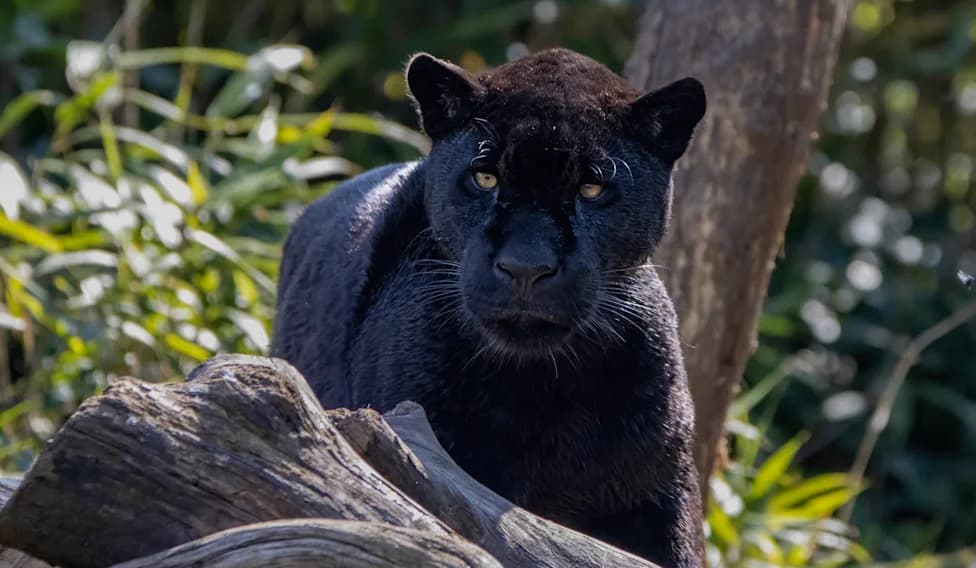
Snow Leopard© Andywak/Shutterstock.com
Two snow leopards at Project Survival Cat Haven in Dunlap, California, have tested positive for Valley fever, a fungal respiratory infection that can affect both animals and humans. Sanctuary staff are closely monitoring the animals after a previous unexplained death at the facility was later diagnosed by necropsy as the same disease.
What Is Valley Fever?
Valley fever, medically known as coccidioidomycosis, is caused by inhaling spores of the soil-dwelling fungus Coccidioides. The fungus is endemic to parts of the southwestern United States and pockets of south-central Washington State. When soil containing the fungus is disturbed, spores can become airborne and be inhaled by people and animals.
Cases at the Sanctuary
Staff reported that one snow leopard, known as Jackson, showed abnormal behavior and was taken for veterinary evaluation. Jackson tested positive for Valley fever; he was first diagnosed about four years ago and has remained on antifungal medication since. The sanctuary also learned that an inspector who visited the facility had contracted the disease. Earlier, a lion at the sanctuary died after illness; a necropsy later confirmed Valley fever as the cause.

Animals and humans can contract Valley fever.©Vladimir Turkenich/Shutterstock.com
Symptoms, Treatment and Risk Factors
Not everyone exposed to Coccidioides spores becomes ill. When infection occurs, symptoms commonly appear 1–3 weeks after exposure and include fatigue, persistent cough, shortness of breath, night sweats, fever and muscle aches. For most patients, symptoms resolve over weeks to months, but an estimated 5–10% of human cases may develop severe or long-term lung complications.
Valley fever is treated with antifungal medications when needed; veterinarians use similar antifungal therapies for infected animals. Risk of exposure increases during dry, dusty conditions that follow rainy seasons, when spores are more easily lifted from soil into the air.
Response and Prevention
The sanctuary has increased surveillance of animal health and is monitoring staff and visitors for symptoms. Practical steps to reduce risk include minimizing dust-generating activities around enclosures, using respiratory protection for staff during high-risk tasks, prompt veterinary and medical evaluation for suspicious symptoms, and maintaining long-term treatment and follow-up for affected animals.
Why This Matters: Valley fever is zoonotic and environment-driven, so outbreaks can affect wildlife conservation, sanctuary operations and public health in endemic regions. Early detection, targeted treatment and dust-control measures are important to protect both animals and people.
Help us improve.