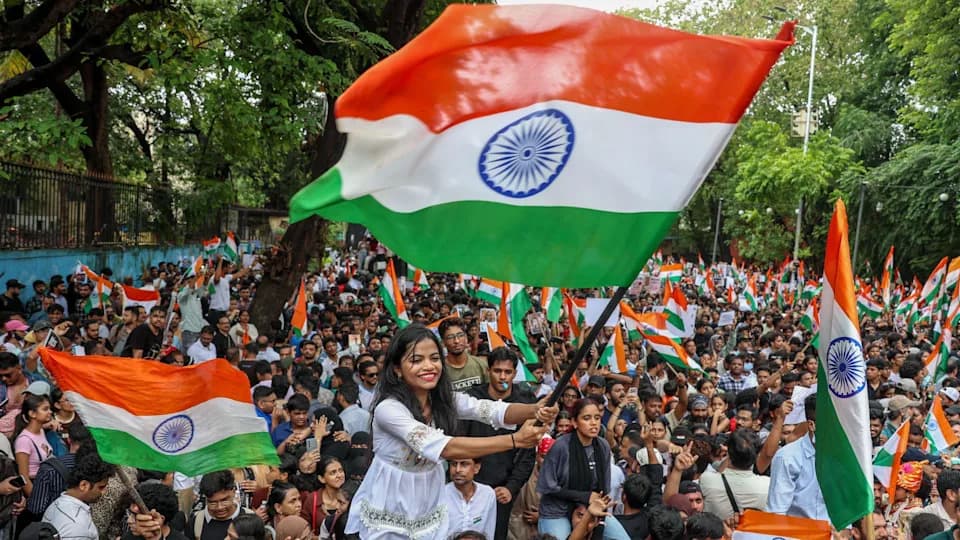
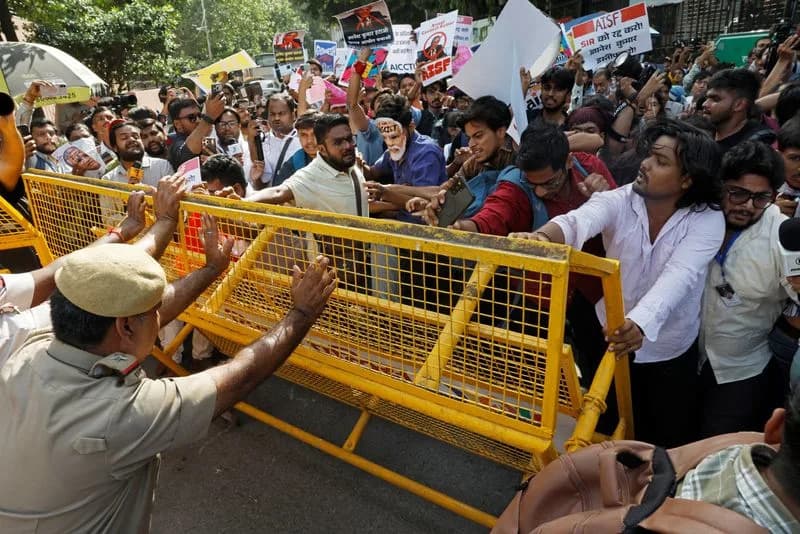
The Gen Z-led "cockroach" protests in New Delhi have camped for over a month, demanding Education Minister Dharmendra Pradhan's resignation after exam paper leaks. Police action on Monday injured more than 100 people, intensifying calls for accountability. Observers say Modi's decision to keep Pradhan reflects a 12-year pattern of retaining or reassigning ministers implicated in major controversies rather than sacking them. Past examples include the 2015 Akhlaq lynching, Rohith Vemula's 2016 death and the 2021 Lakhimpur Kheri violence; only Health Minister Harsh Vardhan resigned amid public pressure during the 2021 Covid second wave.
Why Modi Is Keeping His Education Minister — And How It Fits A 12-Year Pattern
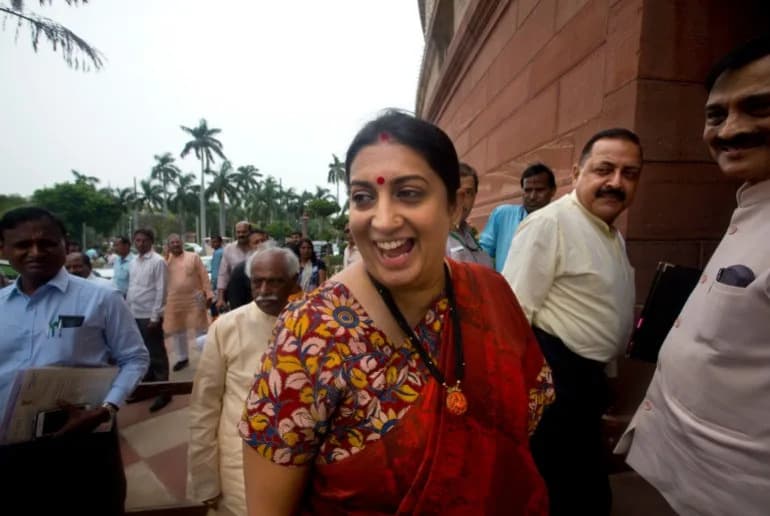
BJP leader Smriti Irani at the parliament house in New Delhi, August 10, 2017 [File: Manish Swarup/AP]
Thousands of young protesters from the Gen Z-led "cockroach" movement have camped in New Delhi for more than a month, demanding the resignation of Education Minister Dharmendra Pradhan after a string of examination paper leaks. A Monday crackdown by police using batons and tear gas left more than 100 people seriously injured, making these demonstrations the most sustained public challenge to Prime Minister Narendra Modi in his third term.
A Pattern of Retaining Controversial Ministers
Pradhan's staying power amid mass protests is consistent with a longer pattern in Modi's 12 years in power: senior and junior ministers implicated in serious controversies have often remained in office, been reassigned, or continued in other influential roles rather than being dismissed in response to popular outrage.
Mohammad Akhlaq Lynching, 2015
On 16 September 2015, Mohammad Akhlaq, a 50-year-old Muslim man, was attacked and killed in Bishada, Uttar Pradesh, after accusations he possessed beef. The incident sparked nationwide protests. Mahesh Sharma, then minister responsible for the area as a BJP parliamentarian, described the killing as "an accident," drawing calls for his resignation. He remained in the council of ministers and was only dropped after Modi's 2019 re-election; he has continued as a BJP MP.
Rohith Vemula And Student Protests, 2016
In January 2016 Rohith Vemula, a 26-year-old doctoral student from a marginalized Dalit community, died by suicide after months of dispute over hostel access and withheld stipends that followed complaints allegedly linked to letters involving ministers Smriti Irani and Bandaru Dattatreya. Vemula's death sparked nationwide student protests and demands that those ministers resign. Neither minister was removed from prominence; Irani was reassigned to other major portfolios and Dattatreya later served in gubernatorial roles.
Lakhimpur Kheri Violence, 2021
In October 2021, a violent incident in Lakhimpur Kheri, Uttar Pradesh, left several farmers and a journalist dead after clashes tied to protests against farm laws; Ashish Mishra — son of junior home minister Ajay Mishra Teni — was accused of involvement. Despite intense public pressure for accountability and calls for Teni's resignation, he remained in office for years and subsequently lost his seat in the 2024 election.
Covid Second Wave And Harsh Vardhan, 2021
The one clear instance of a minister resigning amid broad public outrage during Modi's third term came after India’s devastating second Covid wave in 2021, when Health Minister Harsh Vardhan stepped down amid criticism of the government's response. He later retired from active politics.
Implications
Keeping ministers in place despite controversy has several effects: it can blunt immediate political consequences for the ruling party, frustrate protesters and opposition parties calling for accountability, and reinforce perceptions that political loyalty and electoral calculations outweigh public pressure. Critics argue this approach departs from practices in some other democracies where ministers frequently resign after major scandals or public outcry.
Bottom line: The demands to sack Dharmendra Pradhan are not occurring in a vacuum — they tap into a broader narrative about how the Modi government responds to public scandals and whether it will change course now when faced with sustained Gen Z-led street mobilization.
Help us improve.