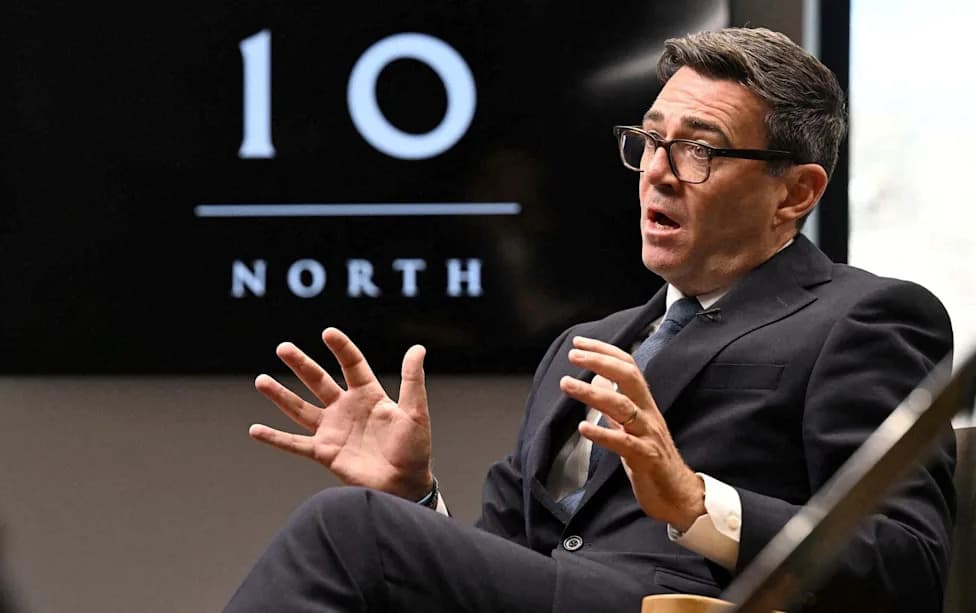
Prime Minister Andy Burnham has announced that most single bus fares outside London will be capped at £2 from 1 January 2027. The government estimates the policy will cost more than £500 million and will reallocate £454 million from the Department for Energy Security and Net Zero alongside existing transport funds. An earlier £2 cap increased ridership but faced criticism over value for money and patchy funding clarity. Opposition figures have urged clearer financial detail.
Andy Burnham Announces £2 Cap On Most Single Bus Fares From 1 January 2027
Most bus fares in England to be capped at £2 from January
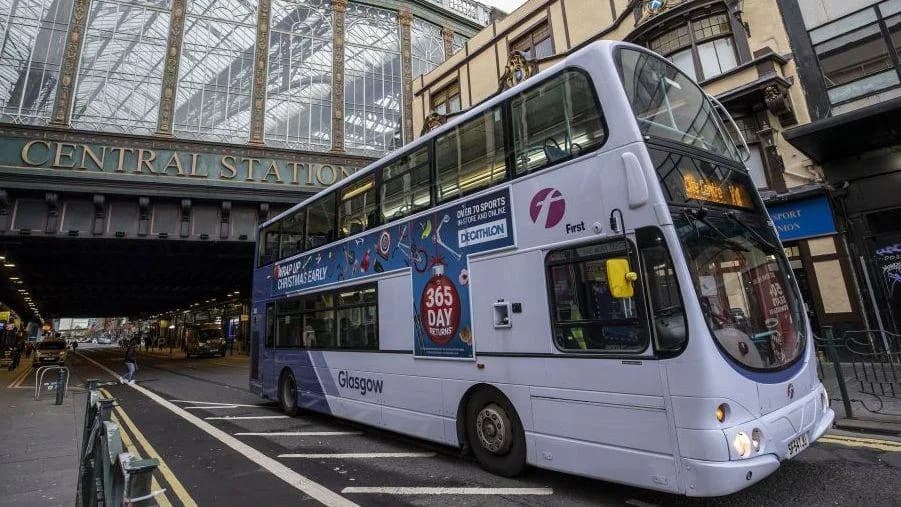
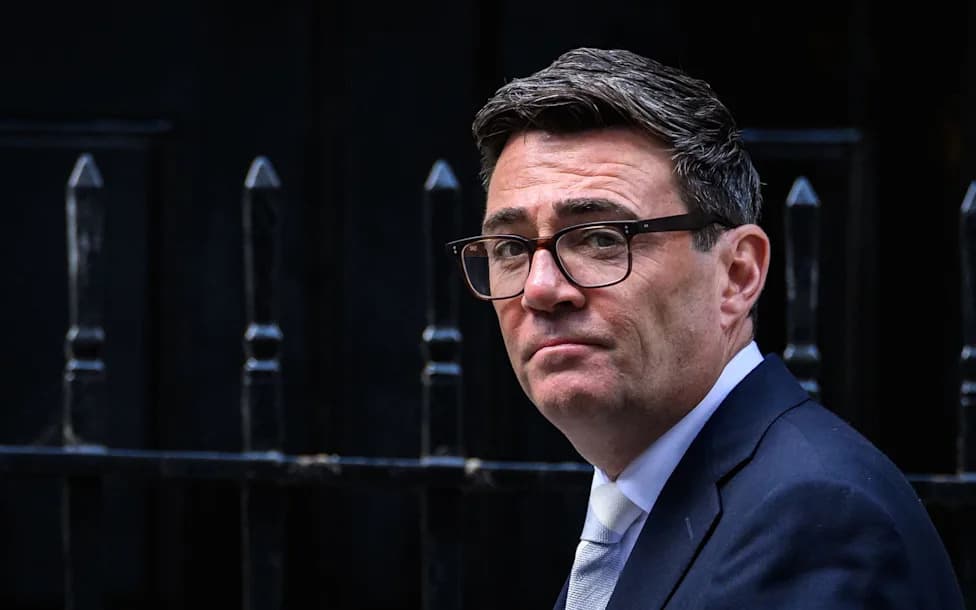
The new prime minister, Andy Burnham, has announced that most single bus fares across England will be capped at £2 from 1 January 2027. Downing Street says the measure — expected to cost more than £500 million — is intended to ease pressure on household budgets and "give people the breathing space they need" amid rising living costs.
What the Government Says
In its statement the government said £454 million will be reallocated from the Department for Energy Security and Net Zero to help fund the scheme, to be used alongside money already earmarked by the Department for Transport. The cap will apply to participating bus services outside London and will be offered on a voluntary basis by bus operators.
History And Evidence
The first England-wide £2 cap on single bus fares was introduced in January 2023 by the previous Conservative government; it had been intended as a short-term cost-of-living measure but was later extended. Before that, as Mayor of Greater Manchester, Andy Burnham introduced a local £2 cap in September 2022, funded at the time with central government support.
Under Sir Keir Starmer's administration the nationwide fare cap rose to £3 in January 2025, although some city regions — including Liverpool and Manchester — maintained fares at £2.
An evaluation of the original scheme (published in 2025) found it contributed roughly 5% of a 13% increase in bus usage during its first ten months, and that lower-income passengers saw the biggest financial benefits. However, the review judged the policy weak on value for money: passenger savings depended heavily on pre-cap local fares. In those first ten months, £210 million was spent on the scheme, below the original £245 million budget.
Reactions And Concerns
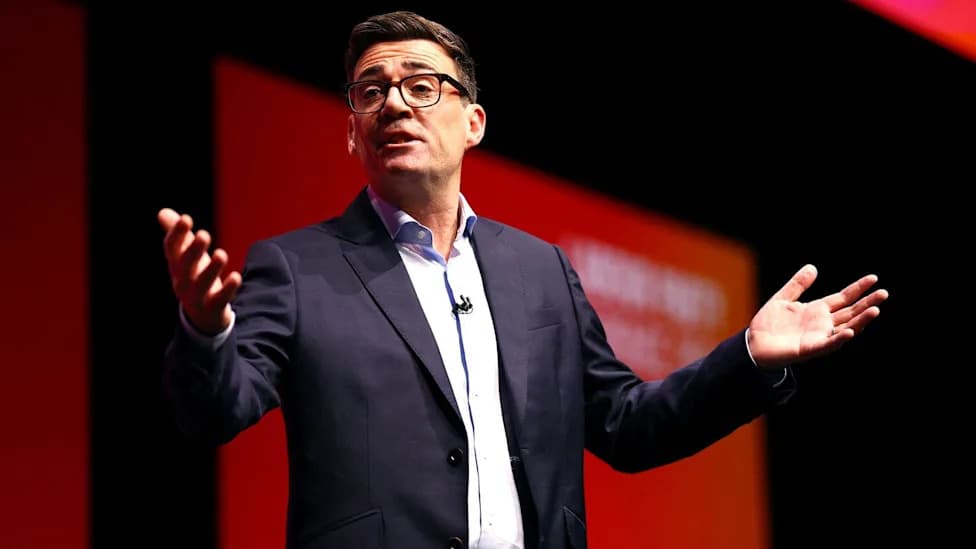
"No one should be priced out of those and left behind," Burnham said, adding: "Lower fares will help people get to where they need to – giving them breathing space to help with the cost of living."
Shadow Chancellor Mel Stride criticised the announcement, saying the government has not clearly explained where all the funding will come from. Critics also point to earlier assessments that questioned the scheme's value for money and warned that financial impact varies by area.
Context And Next Steps
The proposal follows other early measures from the new prime minister aimed at easing household costs, including a recent VAT cut on household electricity bills. Plans to fund parts of the package — including proposals to cancel a previous government's digital ID scheme — have prompted debate about the robustness of the overall funding plan.
The revised £2 cap will take effect for participating services on 1 January 2027. Local authorities, bus operators and central government departments will need to coordinate details on implementation and funding distribution before the start date.
Help us improve.