US forces launched strikes on Iran for the 11th consecutive night, targeting military and maritime infrastructure intended to protect commercial shipping in the Strait of Hormuz. Explosions and air-defence activations were reported in Tehran, Tabriz, Chabahar, Konarak and Bushehr. President Trump threatened a heavy strike on an underground site near Natanz; Iran warned such an attack would expand the war. Houthi threats to close Bab al-Mandab have already forced tankers to reroute, and the conflict has cost the US about $37.5bn so far.
US Conducts 11th Night of Strikes on Iran as Trump Threatens Strike on Natanz Underground Site
[Reuters]
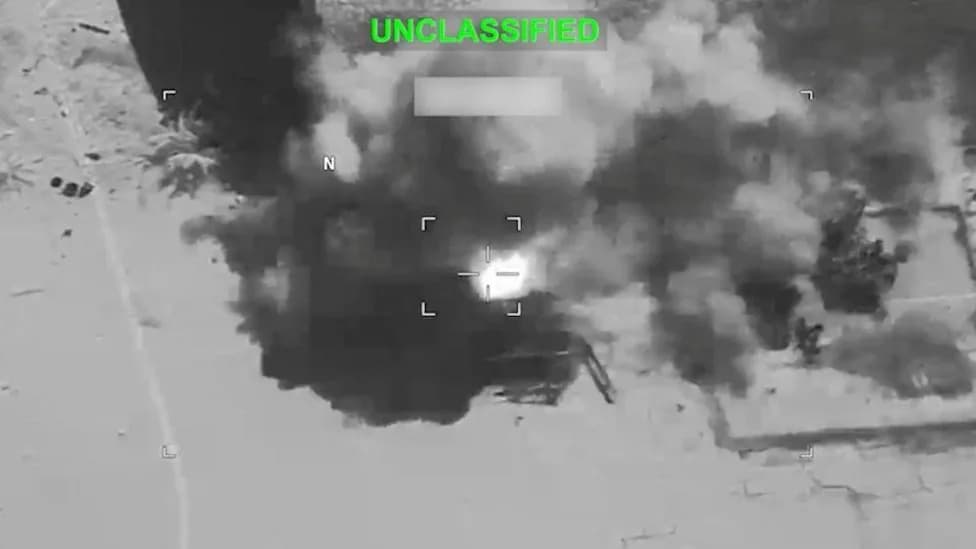
The United States carried out strikes on Iran for an 11th consecutive night late on Tuesday, prompting Tehran to warn against attacks on its nuclear facilities. US Central Command (Centcom) said the operations were aimed at "degrading Iran's ability to threaten commercial shipping" in the Strait of Hormuz.
Iranian state media reported air-defence activations over Tehran and explosions in Tabriz, Chabahar, Konarak and Bushehr — the site of the country's only commercial nuclear power plant. Centcom said US strikes targeted Iranian military operations centers, maritime capabilities, aircraft hangars, drone storage facilities and military logistics infrastructure.
Escalating Rhetoric Over Natanz
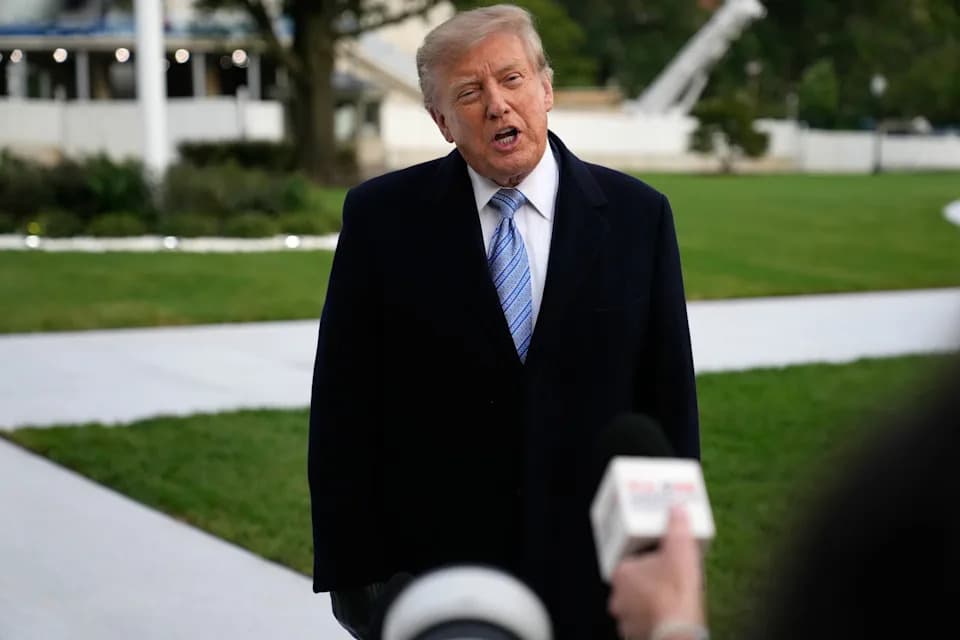
President Donald Trump warned the next US objective could be a complex near Natanz nicknamed "Pickaxe Mountain," an underground site where Iran is suspected of constructing an undeclared enrichment facility. "We'll be hitting that area pretty soon, and very heavily," Trump said at the White House, adding he would not normally announce targets but insisted "there's not a thing they can do about it."
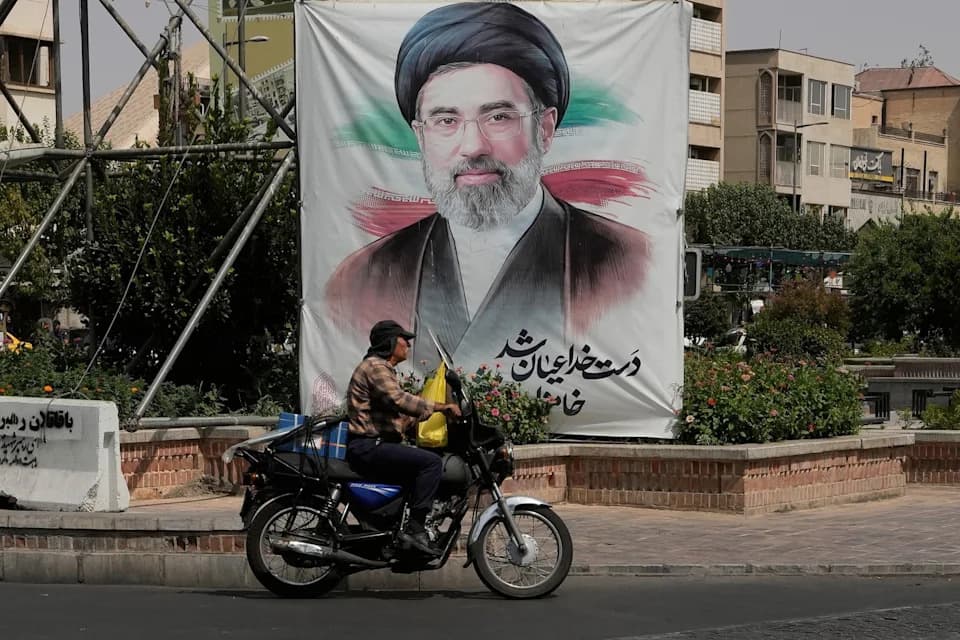
Iran's response: Khatam Al-Anbiya, a major Iranian military command, said any strike on such a site would be viewed "as an expansion of war in the region" and threatened reprisals against US interests and allied partners, according to state broadcaster IRIB.
Wider Regional Impact
Centcom accused Iran of attacking more than 30 commercial vessels transiting the Strait of Hormuz over the past three months, saying the assaults endangered mariners and undermined freedom of navigation while noting the waterway remained open to commercial traffic.
Kuwait reported engaging incoming drones early Wednesday; Bahrain and Jordan also said they intercepted drone and missile strikes. Meanwhile, the Iran-backed Houthi movement in Yemen threatened to close the Bab al-Mandab Strait. After the Houthi announcement, two tankers that had loaded Saudi crude at Yanbu reversed course toward the Suez Canal, British maritime risk firm Vanguard reported.
Diplomacy and Costs
In June the US and Iran signed a Memorandum of Understanding (MoU) intended to halt military operations and reopen the Strait of Hormuz while negotiating terms to end the conflict. Three weeks later, following renewed attacks, President Trump declared the ceasefire "over".
Defense Secretary Pete Hegseth told the Senate Appropriations Committee the conflict has cost the United States about $37.5 billion so far, an increase of nearly $8 billion since May, and warned that training programs could be curtailed without additional funding from Congress.
The situation remains volatile: military strikes, threats to strategic waterways and retaliatory warnings raise the risk of wider regional escalation, with implications for global shipping and fuel markets.
Help us improve.