Sen. Kirsten Gillibrand is facing criticism from progressive groups over her role in bipartisan ethics negotiations tied to the Clarity Act, amid scrutiny of her son Theodore Gillibrand’s crypto firm, APAC. Advocacy groups claim this creates a perceived conflict of interest as ethics language is finalized. Negotiators — including Sen. Thom Tillis — say the agreement is "not quite there," and the bill still needs 60 votes to pass. Market odds of the Clarity Act becoming law in 2026 recently rose above 50%.
Gillibrand Faces Progressive Backlash As Bipartisan Ethics Talks Over Clarity Act Intensify
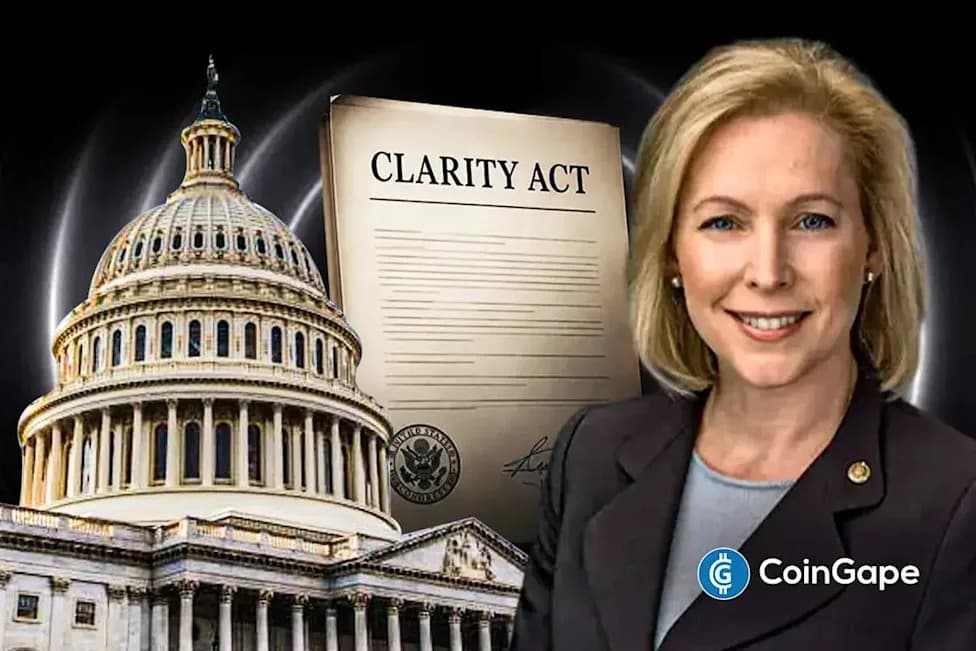
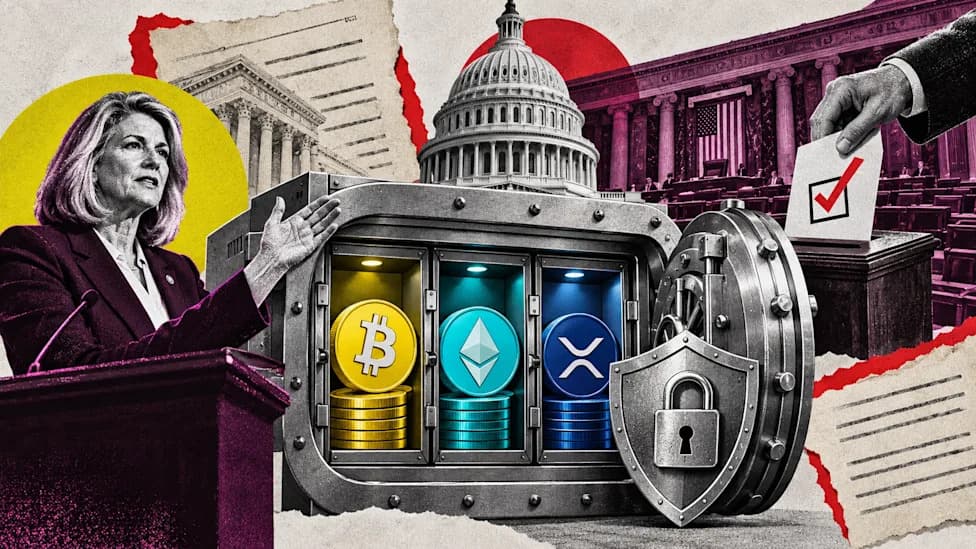
Clarity Act Bipartisan Ethics Talks Intensify as Senator Gillibrand's Crypto Ties Spark Backlash — Source: CoinGape
Democratic Senator Kirsten Gillibrand is drawing criticism from progressive groups as bipartisan negotiations over ethics provisions in the Clarity Act pick up pace. The dispute centers on Gillibrand’s role in negotiations and perceived conflicts of interest tied to her family’s connections to the cryptocurrency industry.
Why Progressives Are Concerned
Organizations including Indivisible and Demand Progress sent a letter to Democratic Senate offices urging colleagues to scrutinize Gillibrand’s involvement in the ethics talks. They argue that her position as a negotiator undermines efforts to hold the Trump administration accountable for alleged ethical lapses.
"Senator Kirsten Gillibrand, chair of the Democratic Senatorial Campaign Committee (DSCC), is a prime example of a Democratic leader whose conduct undermines efforts to hold the Trump administration accountable for their rampant corruption," the groups said.
Crypto Connections Fuel The Controversy
Critics point to Gillibrand’s son, Theodore Gillibrand, and his firm, American Perpetuals Exchange Corp (APAC), which reportedly has raised millions from investors including Ripple co‑founder Chris Larsen. APAC plans to offer crypto perpetual futures contracts and is seeking regulatory approval from the Commodity Futures Trading Commission (CFTC). Representatives from APAC have also met with staff involved in the SEC‑CFTC Harmonization Initiative, according to reporting by CoinGape.
Impact On The Clarity Act Negotiations
The Clarity Act entered formal bipartisan talks on ethics rules after President Trump accepted certain ethics provisions. Negotiators including Senator Cynthia Lummis and Republican Bernie Moreno have been involved in drafting the language. But some negotiators remain cautious: Sen. Thom Tillis, the Republicans' lead negotiator, said the ethics agreement was "not quite there," citing concerns about potential exemptions in the bill’s text.
Those unresolved issues, together with progressive objections to Gillibrand’s ties, could prolong talks and delay a Senate vote. The Clarity Act requires 60 votes to pass the Senate, making consensus essential.
Political And Market Stakes
Market observers say the probability that the Clarity Act becomes law in 2026 recently rose above 50%, citing comments from Coinbase Vice Chair Ryan VanGrack and Treasury Secretary Scott Bessent. Investors are increasingly using crypto prediction markets to hedge regulatory exposure and track real‑time legislative odds.
What’s Next
Negotiators must resolve language concerns and address ethics objections before the bill can advance to a full Senate vote. Watch for further letters from advocacy groups, statements from negotiators, and any amendments clarifying exemptions or conflict‑of‑interest rules.
Help us improve.