Tech platforms such as Snabbit, Pronto and Urban Company are digitising India’s domestic-help sector, offering app-based bookings, training, background checks and algorithmic ratings. Some workers report significantly higher pay and greater scheduling flexibility, while others fear safety issues and loss of informal job security. Labour groups caution about the absence of benefits like pensions, even as platforms point to scale and convenience: Snabbit reports about 20,000 registered workers and roughly 60,000 jobs a day across 10 cities.
India's Domestic Workforce Goes On-Demand: Apps Reshape Home Help — Boon Or New Risk?
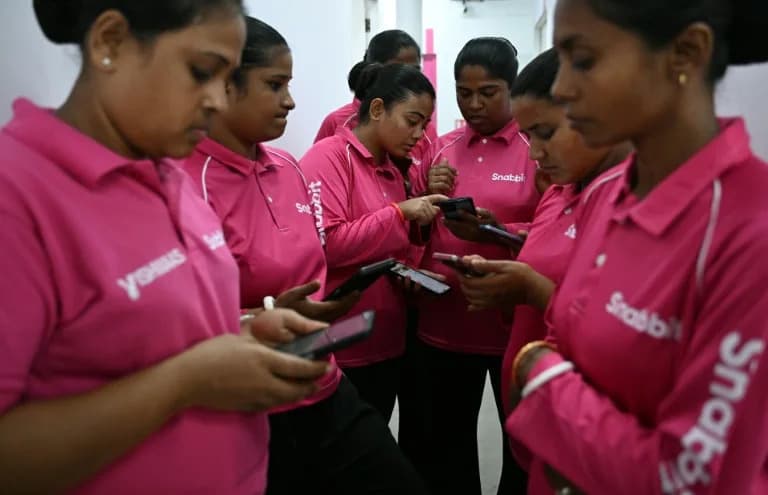
Platforms such as Snabbit, Pronto and Urban Company function much like ride-hailing apps -- workers receive bookings online, travel to assigned homes and clock in on their phones (Idrees MOHAMMED)
Racing against a stopwatch, groups of women in Bengaluru fold bedsheets and rehearse chores as they prepare to join startups offering instant home services — a shift that is digitising a traditionally word-of-mouth sector and promising higher pay for some.
From Informal Networks To App-Based Platforms
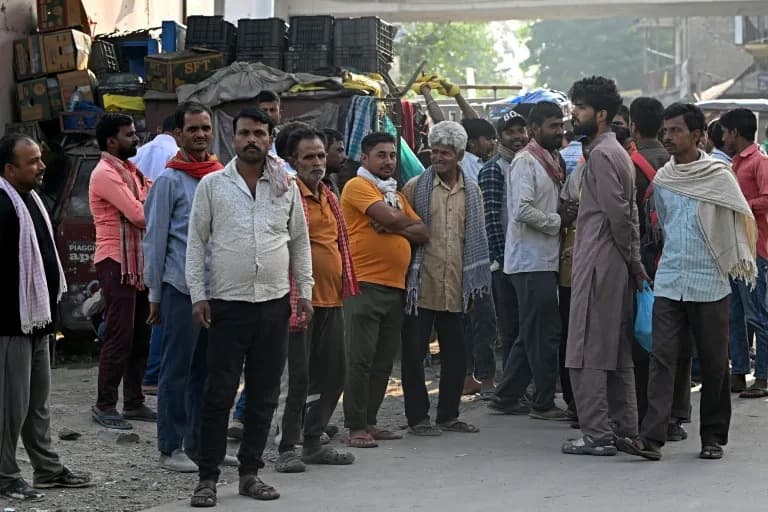
Households across India have long relied on an informal army of domestic workers to mop floors, wash dishes and cook. Tech platforms such as Snabbit, Pronto and Urban Company now aim to bring structure to this largely unregulated industry, which employs roughly 30 million people. Workers receive bookings through apps, travel to assigned homes and clock in on their phones; performance is monitored via customer ratings, with algorithms generating incentives and penalties.
Training, Verification And Performance Tracking
At Snabbit’s training hubs in the southern tech hub of Bengaluru, trainees practise tasks — from chopping vegetables against the clock to tidying and customer interaction. Before registration, many platforms carry out background checks, including police verification. Soft-skills modules cover punctuality, grooming and polite greetings. Every customer rating matters: low scores typically trigger follow-up from training teams.
Workers' Experiences
For some workers, the apps represent a step up. Heena Bibi, 34, said that working with a company feels better; she earns about 45,000 rupees ($472) a month — roughly three times the typical earnings when juggling several households under traditional arrangements. "I get three-four jobs on a normal day. If there's any festival... more work comes," she said.
"Today a mother can send her kid off to school, work at Snabbit for four hours and come back before the kid comes back from school," said Aayush Agarwal, Snabbit's founder and CEO, highlighting the flexibility these platforms offer.
Safety, Security And Labour Concerns
Not all domestic workers are ready to switch. For 38-year-old Renu Devi from Uttar Pradesh, the traditional arrangement feels safer: she knows and trusts the families she works for. Labour advocates warn that app-based work can trade one set of risks for another. Sanjay Gaba, president of the All India Gig and Platform Workers Union, argues the model lacks job security and benefits — such as pensions — available to permanent employees.
Scale And Consumer Convenience
Snabbit says it operates across 10 cities, including Delhi and Mumbai, with about 20,000 registered workers handling an average of roughly 60,000 jobs each day. Customers appreciate the convenience and flexibility: homemaker Atiya Khusro, 63, prefers on-demand helpers because it frees her from coordinating a fixed schedule.
What This Means
The rapid rollout of on-demand domestic services highlights both opportunity and risk: platforms can widen access to paid work, offer flexible hours and standardise training, but they also raise questions about worker protections, safety on the job and long-term social benefits. As the sector scales, regulators, platforms and worker groups will likely need to negotiate standards that balance convenience with fair labour practices.
Help us improve.