Researchers working with Gunai Kurnai community representatives report that Cloggs Cave in Victoria was used for healing, ritual and sometimes cursing for at least 25,000 years. Microscopic phytoliths—the silica remains of plants—found in 73 ash layers were radiocarbon-dated to roughly 4,400–1,600 years, with deeper burned-plant evidence extending human use to about 25,000 years. Excavators also found a nearly one-foot standing stone amid ash deposits. The study combines archaeological science with Indigenous oral histories to document sustained cultural significance.
Cloggs Cave: 25,000 Years of Healing, Ritual and Archaeological Evidence
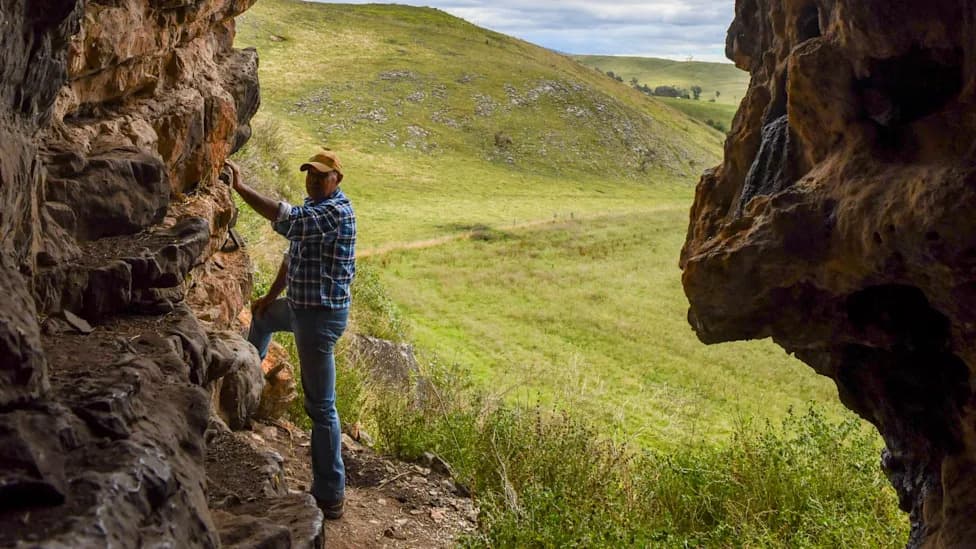
GunaiKurnai Elder Uncle Russell Mullett at the cave entrance of Cloggs Cave.
The limestone entrance to Cloggs Cave, on a bluff near Buchan in Victoria, opens like a vast cathedral door. For generations the site has drawn members of the Gunai Kurnai nation; blackened ceiling rock inside the cavern preserves the traces of countless indoor bonfires.
New archaeological analysis, published in Frontiers in Environmental Archaeology, shows that those fires and the plant remains they left behind document repeated ritual and ceremonial use of the cave over millennia. The study combines microscopic analysis, radiocarbon dating and close collaboration with Gunai Kurnai community representatives.
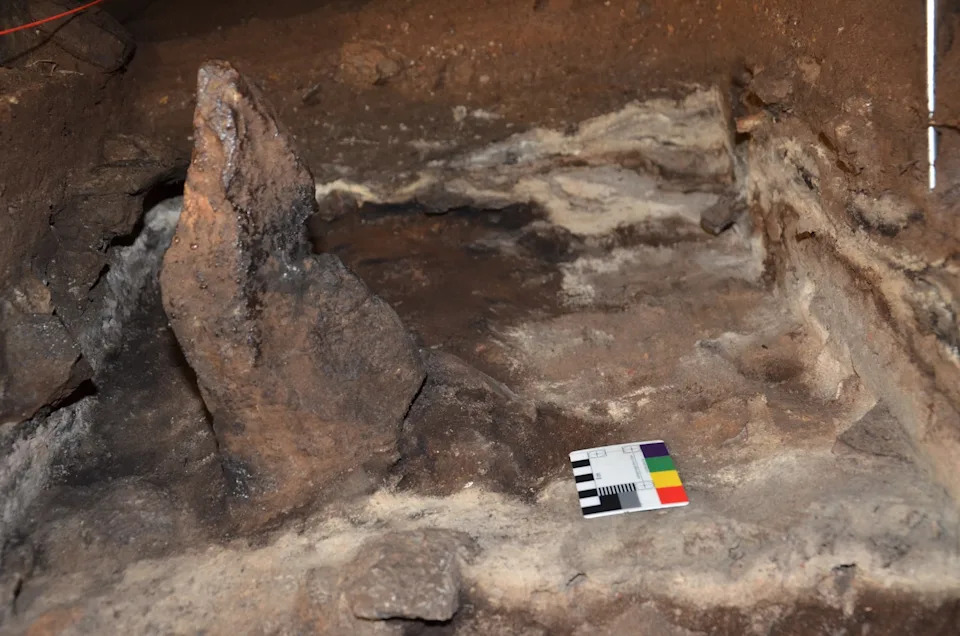
A 2,000 year-old standing stone, depicted during excavations. Burnt phytoliths came from the ashy layers surrounding the standing stone. Credit: Bruno David, courtesy of GunaiKurnai Land and Waters Corporation
How the Evidence Was Read
The research focused on phytoliths—microscopic silica bodies produced in plant tissues that typically remain where the plant decays. Unlike pollen, which can travel long distances on wind or animals, phytoliths found in the dark interior of the cave most likely arrived with people or animals entering the site. To strengthen the case for human activity, the team prioritized partially burned phytoliths recovered from discrete ash layers, which indicate in-cave burning of collected plant material.
"We show that the Old Ancestors selected whole grasses from the surrounding landscape, carried them into the cave, spread them in thin layers and burned them," said Elle Grono of the Australian National University, co-author of the paper.
Dating, Plants and a Standing Stone
Radiocarbon dating of phytolith-bearing ash from the 73 upper layers in two excavation pits indicates plant-burning episodes between roughly 4,400 and 1,600 years ago. Additional burned-plant evidence found deeper in the stratigraphy extends human use of the cave to about 25,000 years. Across the deposits the researchers identified 29 vegetation types, from grasses and herbs to woody species. The most common were members of the Pooideae subfamily (typical of cool, temperate environments) alongside Panicoideae grasses (linked to warmer, more humid conditions). Nearly a fifth of the phytoliths showed melting or incineration consistent with direct burning.
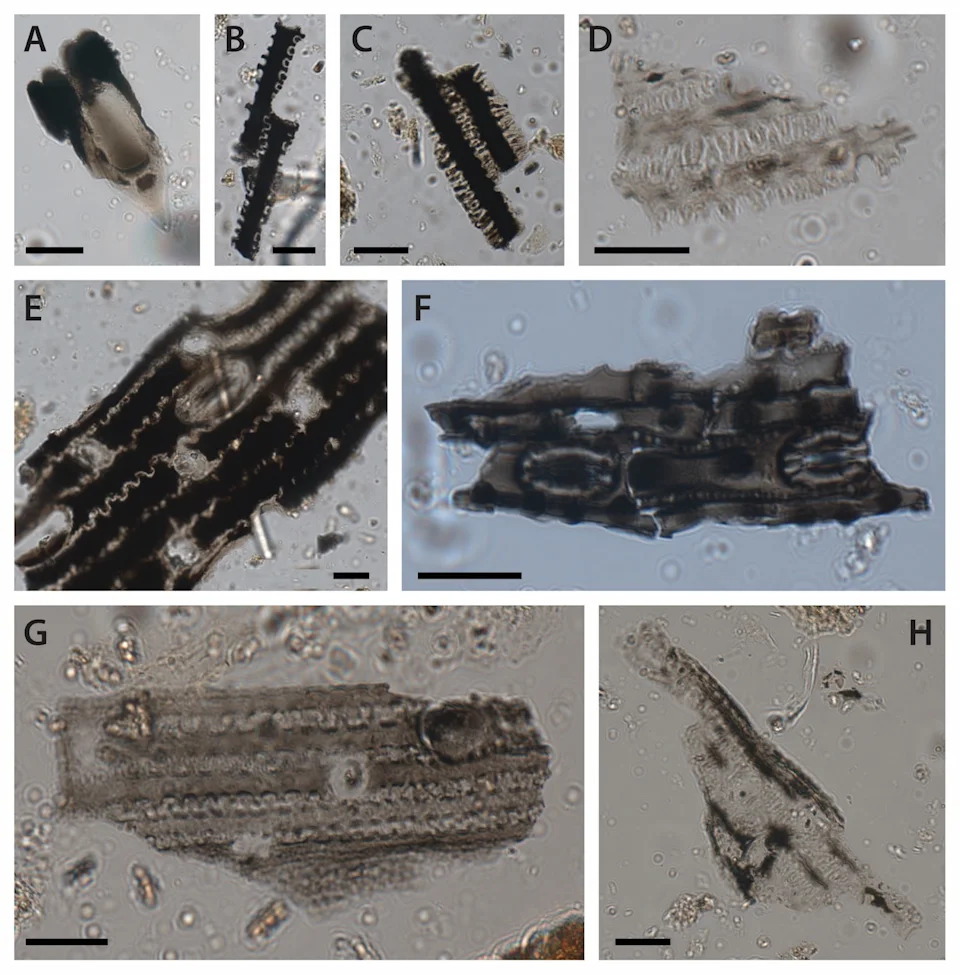
Microscopic images of burnt grass phytoliths from Cloggs Cave. Most of the images depict phytoliths from the inflorescences and leaves of grasses. The scale bar indicates 20 microns. Refer to the journal article for details. Credit: Grono, GunaiKurnai Land and Waters Aboriginal Corporation, et al.
Archaeologists also excavated a nearly one-foot-tall standing stone within an ash-surrounded pit. The stone was encircled by the same burned phytolith layers, reinforcing interpretations that these deposits are tied to ceremonial practice rather than incidental activity.
"Their burning accords with Gunai Kurnai traditions of using ash in magic and ritual, and to mark the paths of people and spirit-beings," added Bruno David of Monash University, co-author of the study.
Community Partnership and Significance
Gunai Kurnai community representatives contributed substantially to fieldwork, analysis and dissemination, and the study draws clear connections between archaeological data and the nation’s oral histories about mulla-mullung (respected Old Ancestor ritual leaders). Taken together, the microscopic evidence, chronological sequence and contextual finds demonstrate Cloggs Cave has been a place of sustained cultural significance and ritual practice for tens of thousands of years.
Significance: The research illustrates how microscopic plant remains and careful stratigraphic dating—paired with Indigenous knowledge and community partnership—can extend and enrich our understanding of long-term cultural landscapes and ceremonial places.
Help us improve.