Fires in the Night revisits the 1998 Earth Liberation Front arson at Vail, a $12 million attack intended to stop a resort expansion into old-growth forest and that triggered a lengthy FBI manhunt. Matthew Wolfe traces the ELF's rise from militant 1990s activism, explains how cooperation by a founding member helped federal prosecutions, and explores whether sabotage or mass organizing is the more effective path for environmental change. Wolfe frames the episode as a symptom of growing frustration with legal and political avenues for addressing ecological collapse.
New Book Reexamines Vail Arson and the ELF's Legacy — When Protest Becomes Sabotage

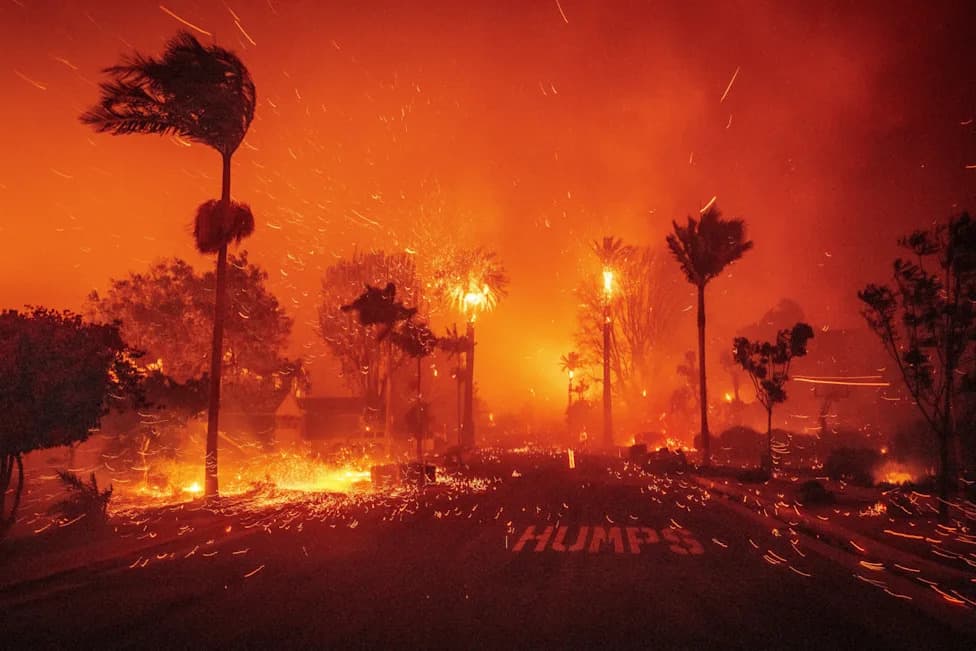
Photo Credit: Getty Images
A newly published account revisits the 1998 arson at Colorado's Vail ski resort and the yearslong FBI manhunt it sparked, using the episode to probe a wider, urgent question: when does frustration with conventional protest tip into direct action or sabotage?
Matthew Wolfe's Fires in the Night: The Earth Liberation Front, the FBI, and a Secret History of Eco-Sabotage traces how the Earth Liberation Front (ELF) emerged in the 1990s from more militant currents within the environmental movement and how its tactics escalated as activists confronted accelerating ecosystem destruction.
What Happened at Vail
In 1998, an arson attack at the Vail ski resort — attributed to ELF members — caused roughly $12 million in damage. The fire was intended to halt a resort expansion into about 700 acres of old-growth forest in the White River National Forest. Chelsea Gerlach, who had argued in an Earth First! Journal essay titled 'Beyond Civil Disobedience' that conventional protest was insufficient, has been identified in accounts of the attack as one of the participants.
The FBI Manhunt and Its Fallout
The blaze put the previously little-known ELF squarely on federal radar. Especially after 9/11, U.S. authorities treated the group as a significant domestic terror threat. Most suspects were ultimately arrested after founding member Jacob Ferguson began cooperating with the FBI and secretly recorded conversations with former comrades, helping agents build their cases.
Debate Over Tactics and Legacies
Wolfe does not romanticize the arson: the attack drew broad condemnation, including from mainstream environmental groups such as the Environmental Defense Fund and figures like Earth First! co-founder Dave Foreman. Nonetheless, Wolfe frames the episode as symptomatic of a deeper crisis of faith in legal and political avenues for environmental protection. He asks:
'What happens to faith in the law when the law permits cataclysm, when a system begets its own, slow destruction?'
The review and Wolfe's reporting underline a central argument: while sabotage can draw attention to urgent threats, the environmental movement's most enduring victories have generally come from broad-based organizing and mass civil disobedience — for example, campaigns against projects such as the Keystone XL pipeline that mobilized large numbers and helped produce policy reversals.
Wolfe concludes that ELF members were at times 'uncomfortably prescient' about the scale of ecological decline, even if their tactics failed to deliver lasting change. As William Rodgers (known as Avalon) put it bluntly: 'Talk doesn't cook rice.' The book reframes the Vail episode as both a cautionary tale and a lens for examining contemporary climate anger and the strategic choices activists face.
Help us improve.