Janet Reitman’s The Inheritance: A Tragedy in Five Acts uses intimate, reported vignettes to show how the post‑9/11 restructuring of U.S. policy and institutions opened spaces for multiple forms of extremism. Through the stories of a murdered Atomwaffen member, a Chicago teen who sought ISIS, a Marine‑turned‑white‑nationalist, and legal advocates, Reitman argues that national 'moments of weakness' let suppressed hatreds surface. The book favors human portraits over polemics, inviting readers to draw their own conclusions.
“Fissures and Cracks”: How 9/11 Reshaped America And Enabled Extremism

Janet Reitman's new book, The Inheritance: A Tragedy in Five Acts, traces how the post‑9/11 reorganization of American priorities altered institutions, social life, and individual trajectories — creating openings in which different forms of extremism could grow. Reitman connects intimate, deeply reported vignettes to a broader argument: national moments of upheaval loosen social constraints and allow suppressed hatreds and ideologies to surface.
A Personal Moment That Sparked a Larger Inquiry
In 2017, two months after the Unite the Right rally in Charlottesville, Reitman sat with Walter and Chris Oneschuk, grieving the loss of their 19‑year‑old son Andrew, who had been a member of the Atomwaffen Division and was killed by another neo‑Nazi. Their stunned question — how could this happen to their son, and to America? — prompted Reitman to reexamine earlier reporting and look for patterns connecting seemingly different kinds of radicalization.
Key Lives, Shared Themes
The book presents a set of tightly drawn portraits: Andrew Oneschuk; Mariyam, a Chicago‑area teenager who attempted to travel to Syria to join ISIS; Marlo Cadeddu, the defense attorney who sought to humanize Mariyam in court; Nathan Domingo, a Marine veteran who became influential in the modern far right; Terry Albury, the FBI agent who leaked documents and went to prison; and Timothy McVeigh, whose 1995 Oklahoma City bombing predates but resonates with themes in the book.
How Sept. 11 Altered Institutions and Mindsets
Reitman traces how Sept. 11 rearranged public life around security and counterterrorism: new laws, color‑coded threat days, sweeping airport screening, and an intelligence orientation at the FBI that prioritized foreign‑oriented Islamist terrorism. She argues that this policy focus shaped who was surveilled and prosecuted, and who was overlooked — producing divergent state responses to similar patterns of radicalization.

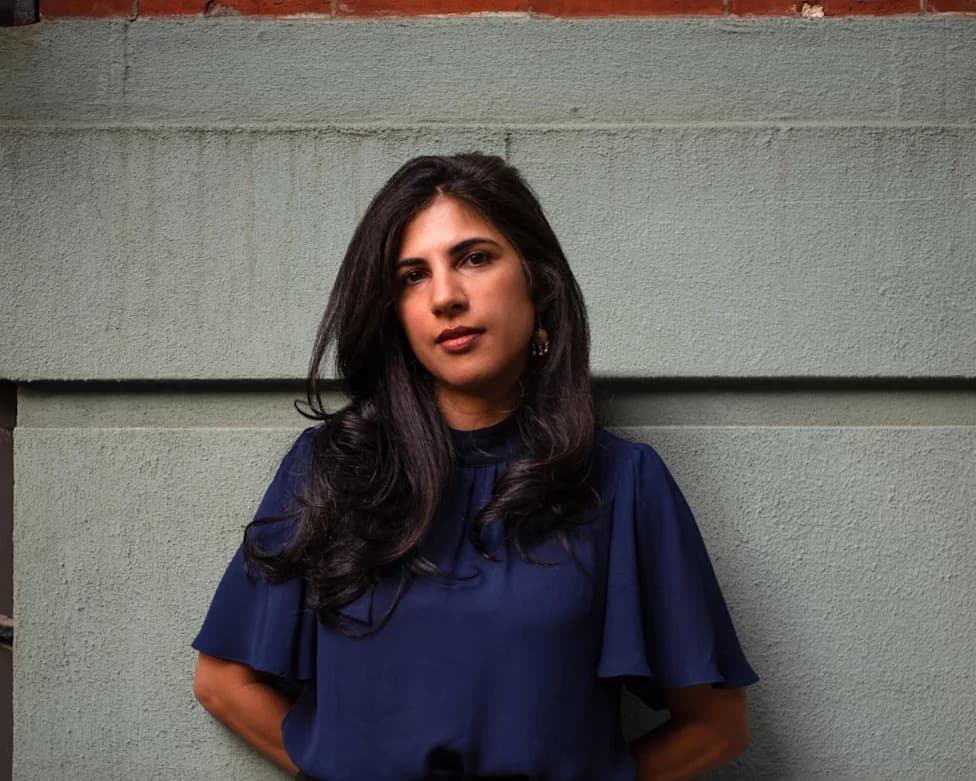
Janet Reitman
Disparate Responses: Race, Policy, And Perception
Reitman contrasts the different treatments of Andrew and Mariyam. Emily Oneschuk warned the FBI about her brother's radicalization but was told the agency could act only if a specific violent threat emerged. By contrast, Mariyam and her brothers were closely monitored and arrested in 2014. Reitman situates these discrepancies not simply as individual bias but as the consequence of post‑9/11 policy priorities that normalized suspicion toward Muslim communities.
Veterans, Trauma, And Far‑Right Recruitment
The book highlights returning veterans like Nathan Domingo, whose untreated trauma and alienation made them vulnerable to far‑right recruiters. Reitman links broader institutional failures — overwhelmed veterans’ services and a society reorganized around perpetual security concerns — to the appeal of extremist communities that offered belonging and purpose.
Structure And Purpose: Vignettes Over Polemics
Rather than asserting a single sweeping thesis, Reitman assembles life stories so readers can draw their own conclusions. The vignettes are connected by recurring themes — moments of social weakness, institutional choices, and personal trauma — that together argue the problem is embedded in American life, not just on society’s margins.
What Reitman Hopes Readers Take Away
Reitman wants readers to notice how policy and fear reshape civic life: federal force deployed against small communities, aggressive surveillance of particular groups, and a culture of suspicion. She leaves interpretation to readers while making clear that these developments have real human costs and that extremism is part of, not apart from, American history.
Note: This interview has been edited for length and clarity.
Help us improve.