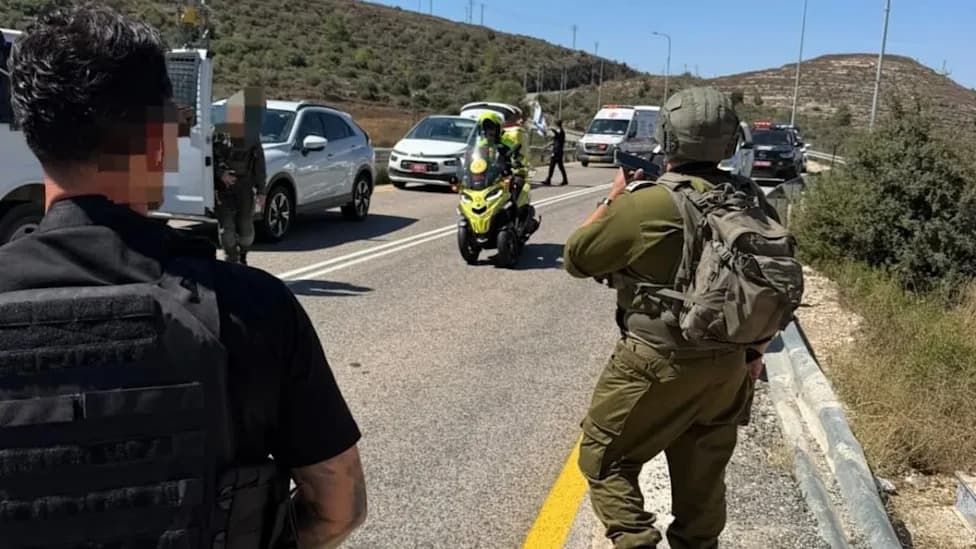
The 1972 Munich Olympic massacre, in which Palestinian militants killed and took hostage members of Israel’s delegation, prompted Prime Minister Golda Meir to order Mossad to hunt those responsible. The ensuing covert campaign, codenamed Wrath of God, targeted Black September operatives across Europe and relied on a new intelligence-sharing channel called Kilowatt. The campaign included several assassinations, a fatal mistake in Lillehammer that led to arrests and a temporary suspension, and continuing debate over its moral and legal consequences.
How the 1972 Munich Massacre Sparked Israel’s 'Wrath of God' — Mossad’s Covert Campaign and Its Consequences
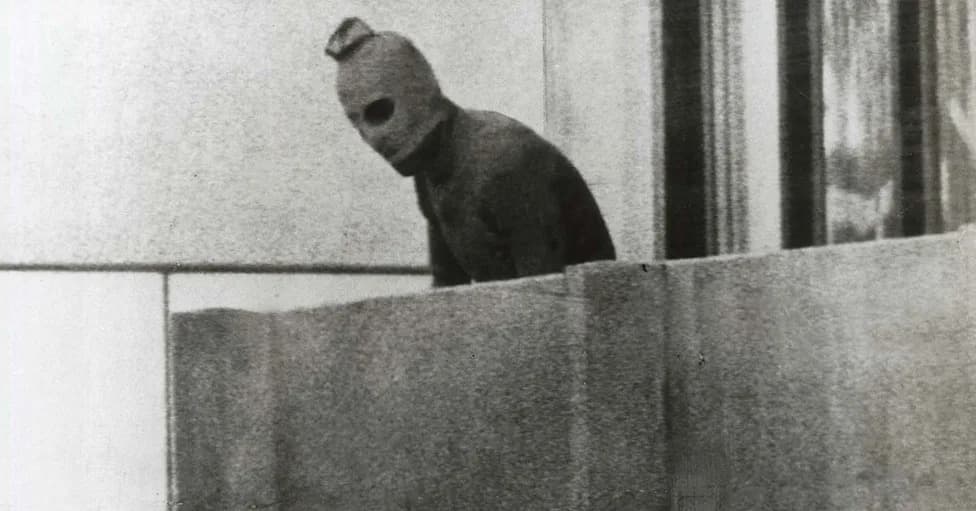
A Palestinian terrorist leans forward on a balcony after 11 Israelis are taken hostage at the 1972 Summer Olympics in Munich. (Russell Mcphedran/The Sydney Morning Herald/Fairfax Media via Getty Images)
David Berger’s family learned of his death while waiting in a cramped Austrian phone booth. Born in Ohio, Berger had qualified for Israel’s Olympic team as a weightlifter; his parents had traveled to Munich to watch him compete at the 1972 Summer Games. Their celebration turned to horror on September 5–6 when eight Palestinian militants attacked the Olympic Village, killing two members of the Israeli delegation and taking nine others, including Berger, hostage.
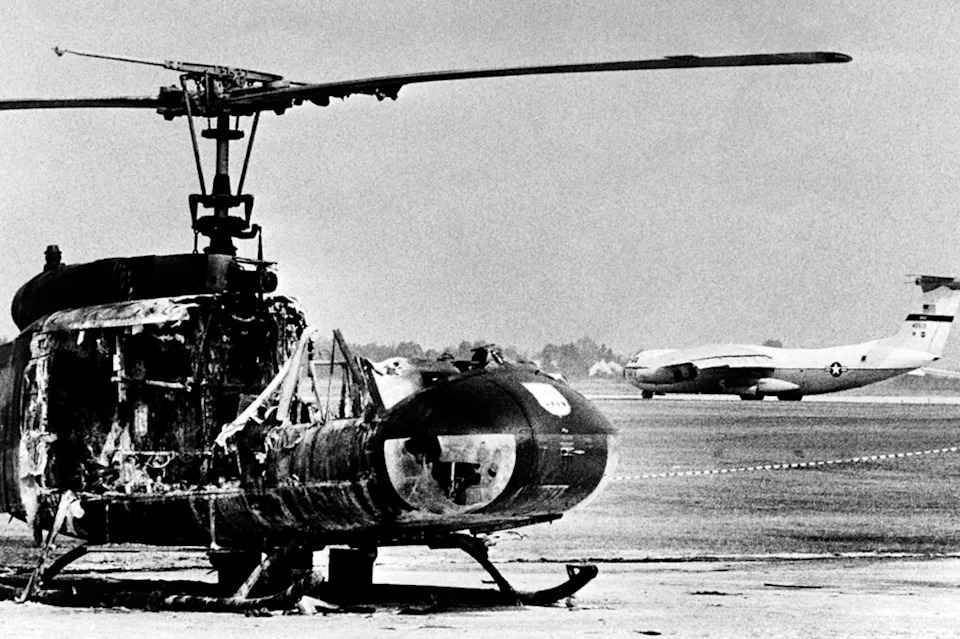
A burned-out army helicopter stands on Fürstenfeldbruck Air Base in southern Germany on September 7, 1972, after a shootout involving Palestinian terrorists who took 11 Israelis hostage at the Munich Olympics. (EPU/AFP via Getty Images)
From Hostage Crisis To Deadly Ambush
The attackers demanded the release of 234 Palestinians imprisoned in Israel and two detainees held in Germany. Negotiations failed and the militants insisted on a plane to fly them out of West Germany. A Boeing 727 was staged at Fürstenfeldbruck Air Base, but the transfer on September 6 became a fatal ambush: an exchange of gunfire ended with the terrorists murdering the hostages. Berger initially survived a gunshot wound but was killed when a grenade was thrown into the helicopter that carried him. Family members remembered him as a prankster and a pacifist; his brother Fred told the Cleveland Jewish News in August 2022, “I remember it as if it was yesterday.”
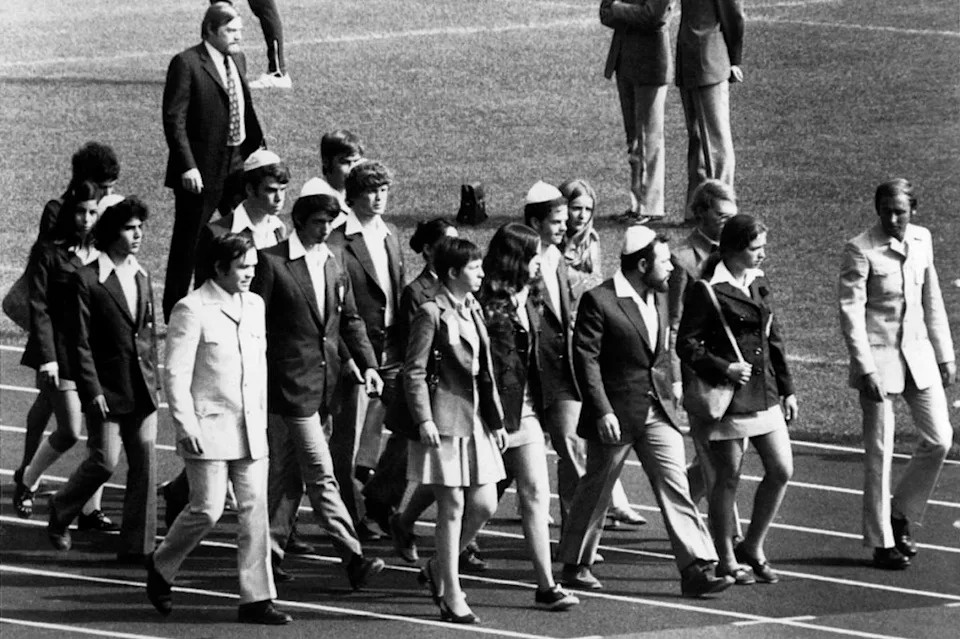
Members of the Israeli team march on the field of the Munich Olympic stadium on September 6, 1972, to attend the memorial ceremony paying tribute to their countrymen that a commando of Palestinian militants killed. (EPU/AFP via Getty Images)
Arrests, Releases And A State Response
West German authorities detained three surviving attackers, but those men were later released as part of a hostage-for-prisoner exchange after a separate hijacking on October 29, 1972. Shocked by the massacre, Prime Minister Golda Meir ordered Israel’s foreign intelligence service, Mossad, to locate and neutralize those responsible for planning or carrying out the Munich attack.
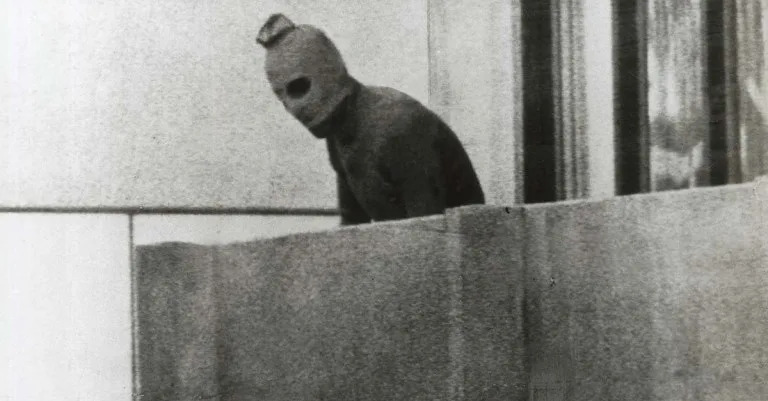
1972 Munich Olympics
“From the blood-drenched history of the Jewish nation, we learn that violence which begins with the murder of Jews ends with the spread of violence and danger to all people, in all nations,” Meir said. “We have no choice but to strike at terrorist organizations wherever we can reach them. That is our obligation to ourselves and to peace.”
Operation “Wrath of God”
Mossad’s covert campaign, codenamed Wrath of God, aimed not only to avenge Munich but also to disrupt plots and deter future attacks. Because Israeli agencies had limited intelligence on Palestinian networks in Europe before Munich, Mossad worked with several Western European services to form a shared intelligence channel nicknamed "Kilowatt", improving coordination on Arab terrorist activity across the continent.
Fire breaks out near Erbil International Airport in Erbil on March 1, 2026, after loud explosions were heard overnight at the site that hosts U.S.-led coalition troops in Iraq's Kurdistan region. SS7 Iran
Notable Operations and Targets
Beginning in October 1972, Mossad was linked to a series of targeted killings across Europe and beyond. Key incidents reported in contemporary accounts and later studies include:
military children saying goodbye
- Wael Zwaiter — Shot dead in Rome on October 16, 1972; Zwaiter was a PLO representative.
- Mahmoud Hamshari — Killed in December 1972 after answering a booby-trapped telephone during a staged contact with an agent.
- Hussein Abad al-Chir — Killed by a remote-controlled explosive in Cyprus on January 24, 1973 (reported transliteration varies).
- Basil al-Kubaisi — Shot dead in Paris in April 1973.
- Mohamed Boudia — Killed by a car bomb in Paris on June 28, 1973 after Mossad used intelligence-sharing to confirm his location.
Mistakes, Legal Repercussions And Suspension
Golda Meir instructed that operations must avoid harming innocent civilians, but a tragic error in July 1973 undercut that rule. In Lillehammer, Norway, Mossad agents mistakenly identified and killed a waiter they believed to be a terrorist, Ali Hassan Salameh. Norwegian authorities arrested and convicted several Mossad operatives, prompting Meir to suspend the campaign temporarily. The operation later resumed in various forms, and Salameh himself was killed by a car bomb in Beirut in 1979.
ragebait service member dvids
Legacy And Uncertain Toll
Exact casualty counts from Wrath of God and related programs such as Operation Spring of Youth remain unclear. Some people targeted by Mossad were later shown not to have been involved in terrorism, and the campaign raised difficult questions about intelligence tradecraft, accountability, and the risk to bystanders. In the days after Munich, some family members — including those of David Berger — publicly urged international cooperation and restraint rather than cycles of reprisal, calling for an end to hostage-taking and further grief.
matt damon christopher nolan odyssey
Conclusion: The Munich massacre reshaped Israeli counterterrorism policy, prompted international intelligence cooperation, and set off a covert campaign that left a contested and complicated legacy: tactical successes for those seeking to disrupt terrorist networks, but also legal scandals, mistaken killings, and ongoing debate about the moral and strategic costs of targeted assassination as state policy.
Help us improve.