When leaders met in Ankara, the decisive actions in Russia's war on Ukraine took place in Saratov, where Ukrainian strikes disabled a key refinery on July 8. The columnist compares Saratov to Saratoga (1777), arguing allied support — not mere diplomacy — turned battlefield gains into lasting independence. A major outcome from Ankara was the pledge to license Patriot missile production for Kyiv, addressing critical air‑defense shortages. The piece calls for clearer sanctions, use of frozen Russian assets, sustained diplomacy and more weapons to make Moscow's invasion fail.
From Saratoga to Saratov: Why Allied Backing Will Decide Ukraine’s Fate
As world leaders gathered in Ankara, NATO chief Mark Rutte called the summit "historic" — a word that has been used so often its force sometimes fades. But the most consequential events of the week happened more than a thousand miles to the northeast, in a Russian city many in the West had rarely noticed: Saratov.
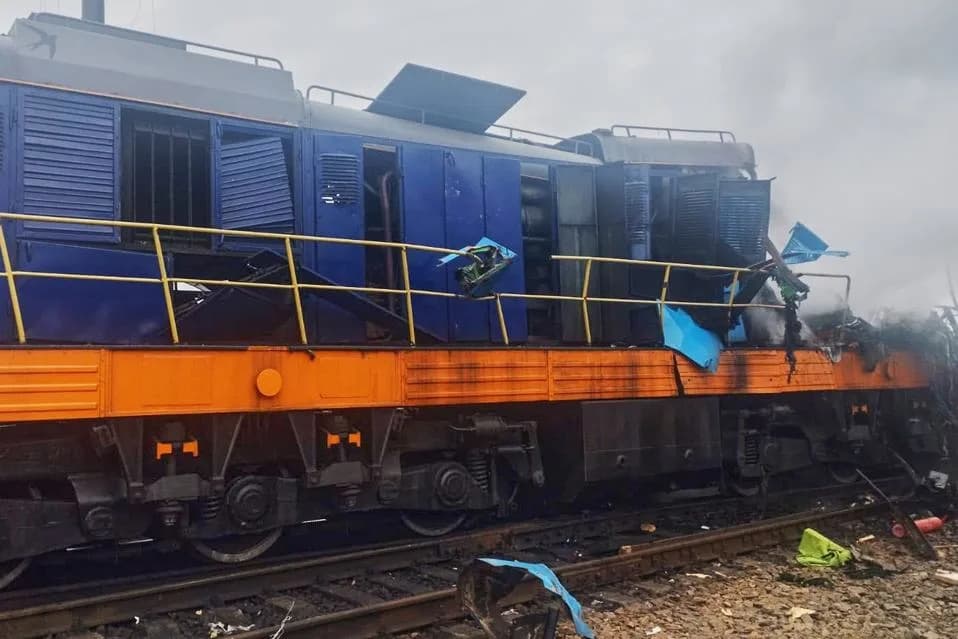
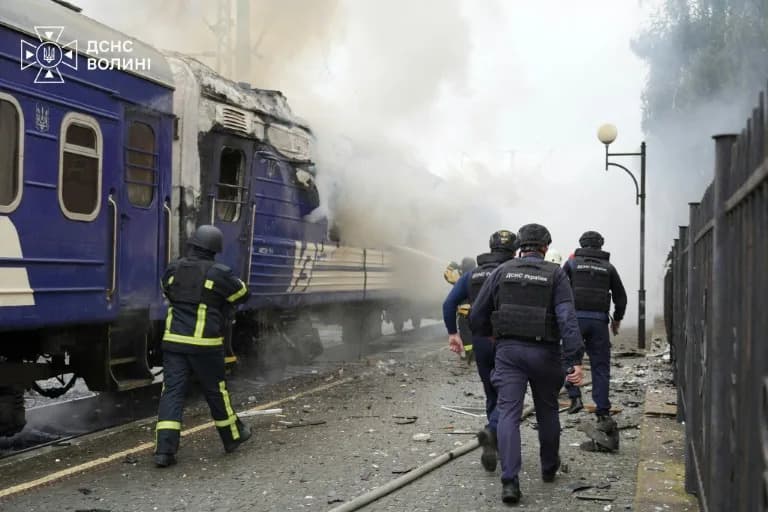
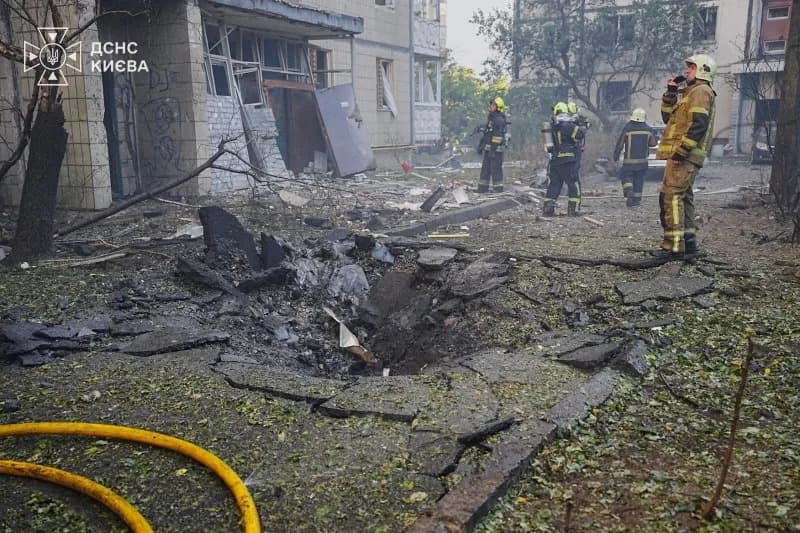
On July 8, Ukrainian drones struck the Saratov oil refinery, disabling its only primary refining unit and forcing a shutdown. Days earlier, Ukrainian forces hit Omsk, Russia's largest refinery. In a single stretch of operations, Kyiv also targeted nine tankers tied to the sanctions‑evading "shadow fleet," the Dzhankoi airbase in Crimea, and Port Krym in Kerch. Those strikes illustrate a widening Ukrainian campaign to inflict operational costs on the Russian war machine.
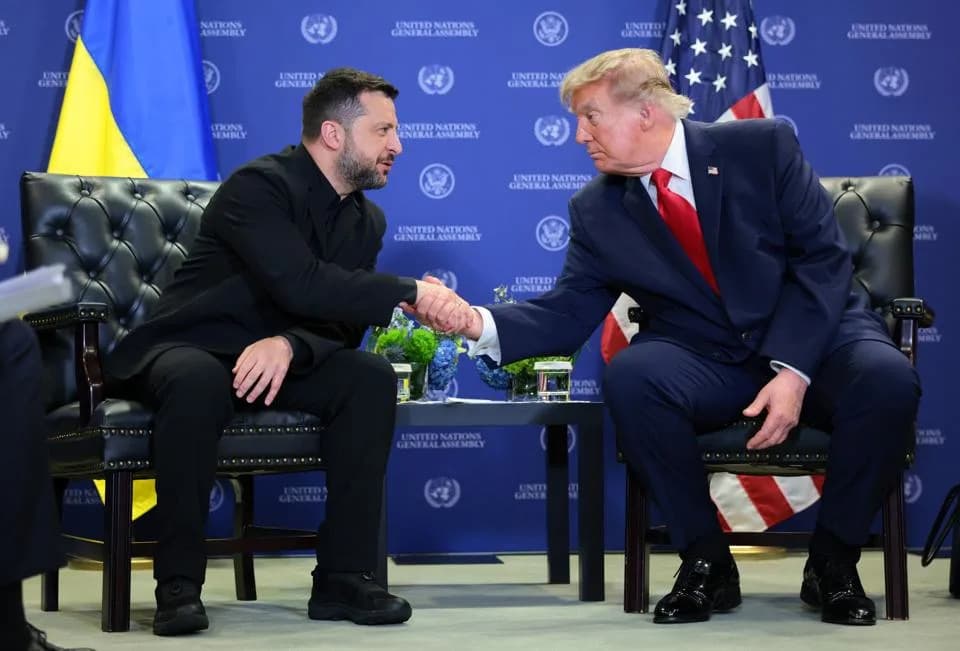
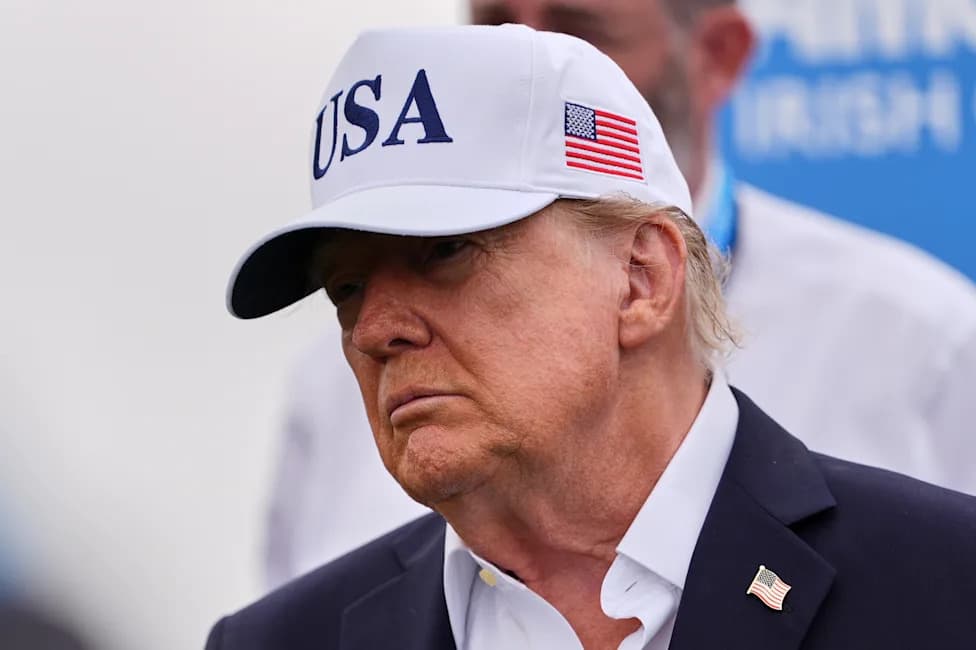
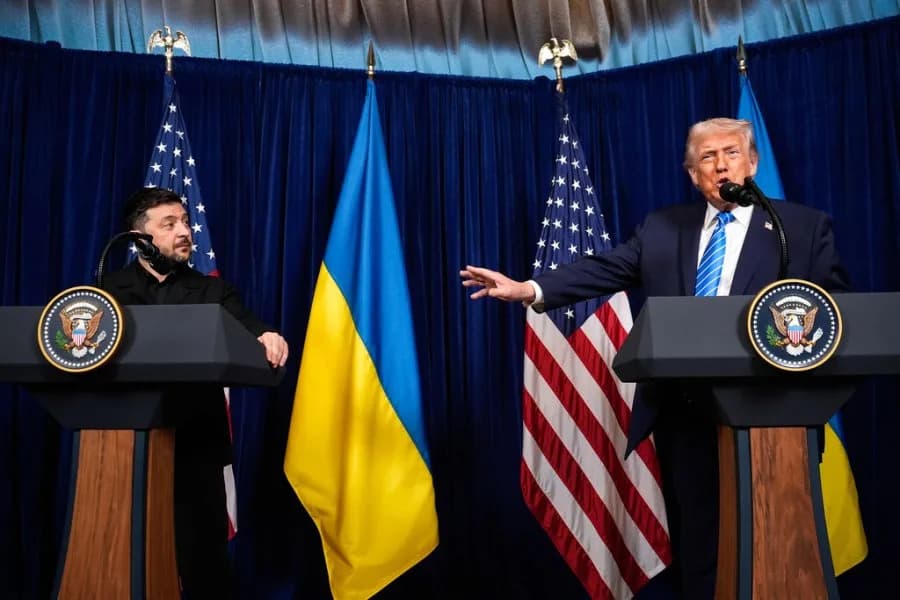
At the Ankara meeting, President Trump — seated beside Ukraine's wartime leader, Volodymyr Zelensky — repeatedly used the word "settlement," the kind of language familiar to dealmakers. Commentators will debate the optics and rhetoric from the summit, but a clearer lens on today’s conflict is the speech Mr. Trump gave four days earlier marking America's 250th anniversary.
"From the beginning, we were a nation that lived by the motto victory or death and live free or die," he said. "We defeated tyrants, demolished evil, and saved freedom again and again and again."
Those sentences resonate with Ukraine's struggle: a people refusing domination by an imperial center and risking their lives for liberty. The pertinent historical parallel is not merely rhetorical. In October 1777, British General John Burgoyne surrendered at Saratoga — a defeat that convinced King Louis XVI to commit French military power to the American cause. As historian Edmund Morgan wrote, Saratoga "was a great turning point of the war, because it won for Americans the foreign assistance which was the last element needed for victory." France supplied gunpowder, troops, and the fleet that made Yorktown possible.
Imagine instead if France had sent only an envoy urging compromise. American independence might have remained largely theoretical. The lesson is plain: victories on the battlefield gain real, lasting meaning when a capable ally turns them into strategic leverage.
History is being written in Saratov in July 2026 much as it was at Saratoga in 1777. Ukraine does not seek to be Moscow's vassal any more than the American colonists wished to bow to the Crown. Russia's campaign aims to erase a sovereign state; its leaders have at times employed openly eliminationist rhetoric. Ukraine, by contrast, is a distinct nation with its own language, institutions and internationally recognized borders — and a republican tradition reaching back to Pylyp Orlyk's 1710 constitution.
Kyiv does not ask Western allies to pour troops into its territory. What it asks for instead is clarity and the means to make Russia's aggression fail: tougher sanctions, transfer of frozen Russian assets for reconstruction and relief, sustained diplomatic support, and the weapons necessary to blunt and reverse Moscow's campaign.
The most tangible development in Ankara was President Trump's announcement to license Patriot missile production for Ukraine — a significant step for a country whose cities face nightly strikes and whose interceptor stocks are dangerously low. Framed as defensive, the pledge highlights a wider truth: for an invaded nation, many capabilities are both defensive and strategic. Striking missile-assembly facilities, for example, reduces the number of missiles launched at civilians and infrastructure.
Public opinion in the United States largely sides with Ukraine; polls consistently show most Americans do not embrace strict neutrality. A predatory, continent‑sized Russia believes it can dominate its neighbor. Ukraine, smaller but resolute, has found momentum. The question now is whether the West will match Kyiv's resolve with the political will and material support required to make victory decisive rather than merely symbolic.
On July 4, Kyiv illuminated the Mother Ukraine statue in the Stars and Stripes to mark America's 250th anniversary — a gesture that underscores how Ukraine sees itself in the arc of liberal self‑government. The final question is whether Americans and other allies still recognize that arc of history and are prepared to act accordingly.
About the author: Andrew Chakhoyan is Academic Director at the University of Amsterdam. He previously served at the U.S. Millennium Challenge Corporation and studied at Harvard Kennedy School and Donetsk State Technical University.
Help us improve.