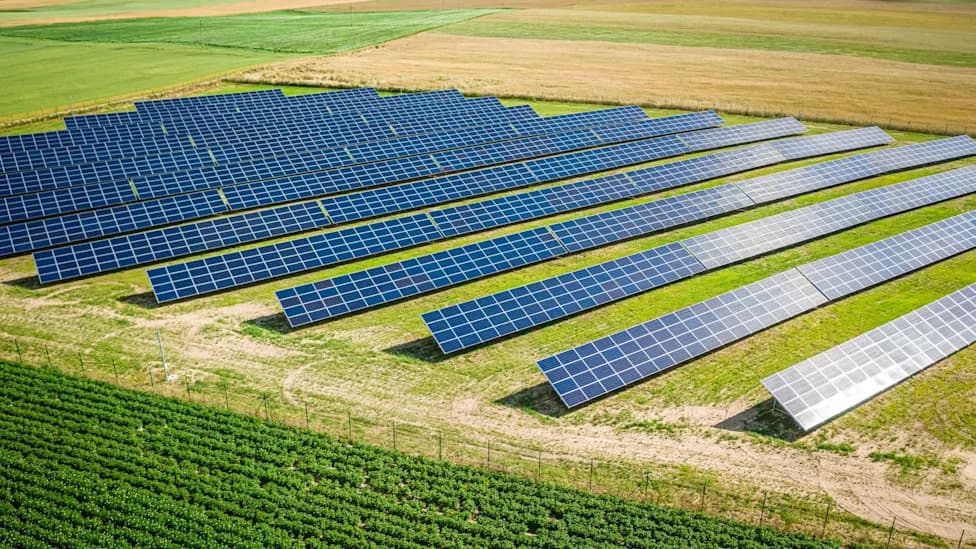
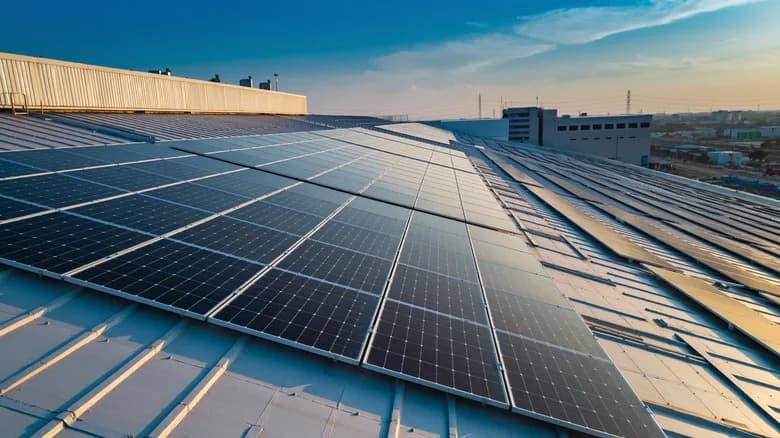
Heat waves in 2026 have reduced output across all forms of power generation, not just nuclear. Warmer rivers and lakes impair condensers on water-cooled thermal plants, forcing environmental curtailments rather than immediate safety shutdowns. Hydropower falls with drought; solar and wind lose efficiency and age faster in heat. Mitigations include cooling towers, air/hybrid cooling, SMRs and alternative coolants, regulatory flexibility, and a diversified, resilient grid.
Heat Waves Cut Power Across the Grid — Why Nuclear Gets the Spotlight (But It’s Not the Only Victim)
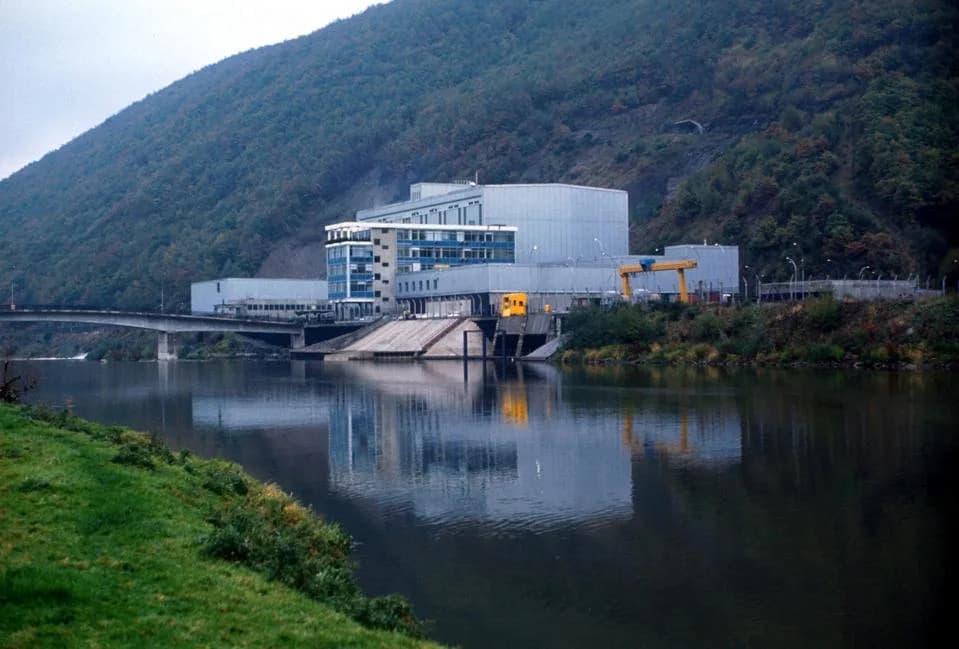
Chooz Nuclear Power Plant, on the Meuse River, is one of several in France that have had to reduce power during the 2026 heat waves. Image courtesy US Department of Energy. (Photo by Smith Collection/Gado/Getty Images)Getty Images
Images of France's Chooz nuclear plant on the Meuse River have become a familiar motif during the 2026 European heat waves, but the story is bigger than a single technology. Heat extremes strain the entire electricity system: water-cooled thermal plants lose efficiency when river and lake temperatures rise, hydropower falls with drought, PV panels and wind turbines perform worse in heat, and transmission infrastructure is more failure-prone. The limits placed on power plants during heat waves are primarily environmental and commercial, not immediate human-safety constraints.
How Water Cooling And Thermal Plants Are Affected
Most large thermal generators—nuclear, coal, biomass, gas, and steam-cycle concentrated solar—use the Rankine cycle: heat produces steam that drives turbines, and external water condenses the steam back to liquid. When intake water is warmer than design conditions, condenser performance drops, reducing cycle efficiency and net electricity output. A common rule of thumb is roughly 0.3%–0.5% loss in cycle efficiency for every 10°F (≈5.6°C) rise in cooling-water temperature, which corresponds to about 0.05%–0.09% per 1°C. Exact sensitivity varies by plant design and operating margin.
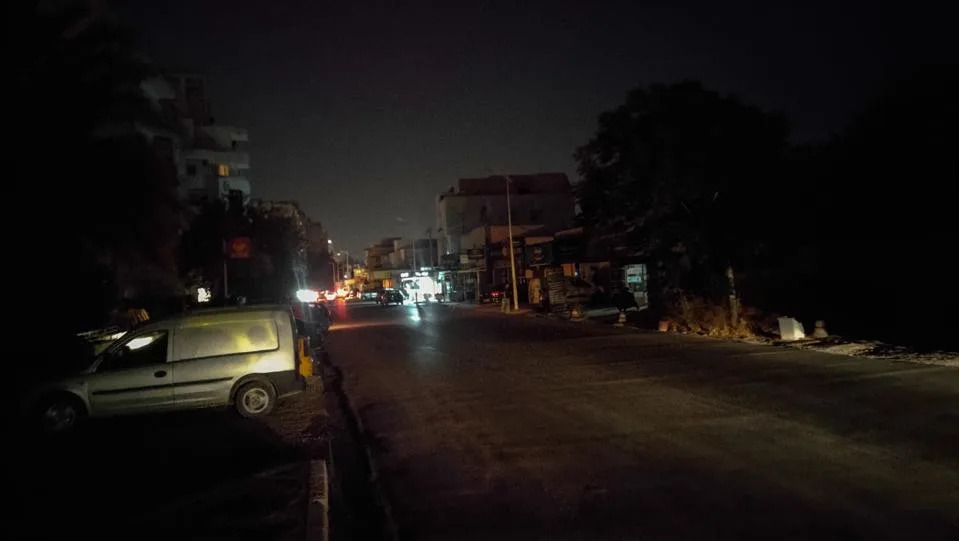
On July 14, 2026, several regions in Tunisia were plunged into darkness following a nighttime power outage caused by an intense heatwave. The country has no nuclear plants, its power generated overwhelmingly by natural gas. (Photo by Chedly Ben Ibrahim/NurPhoto via Getty Images)NurPhoto via Getty Images
Why Nuclear Gets Disproportionate Attention
Nuclear plants attract headlines because of public concern about their risks and because many countries (notably France) rely heavily on large reactors located on rivers. A headline like “heat wave forces nuclear plant to cut power” fits an existing cognitive template and spreads widely. But large coal and gas stations have also been curtailed for identical technical and regulatory reasons; the difference is visibility and political symbolism.
Other Generation Types Suffer Too
Hydropower: Heat waves often coincide with drought, reducing river flows and reservoir levels and sharply cutting hydro output. A notable example: Sichuan Province’s hydropower output was halved in 2022 during drought and heat.
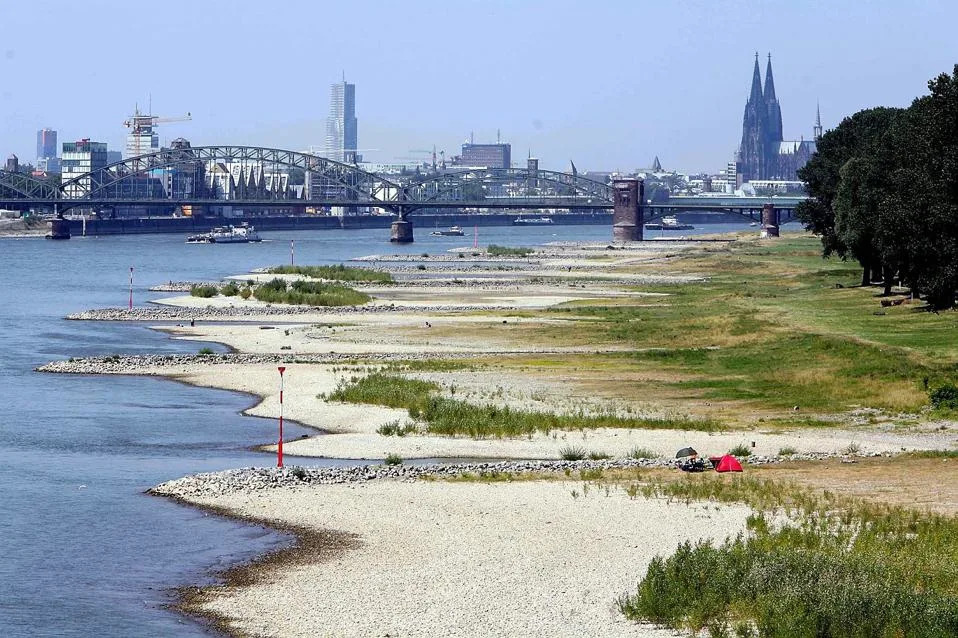
Low river levels due to drought are exacerbated by heat waves, reducing significantly hydropower generation. This image shows such a low water period on the Rhein River at Cologne. There are no less than 21 major hydropower plants on this river. (Photo by ZIK Images/United Archives via Getty Images)ZIK Images/United Archives via Getty Images
Solar PV: Photovoltaic modules lose conversion efficiency at high temperatures—commonly about 0.3%–0.5% per °C above the standard reference (25°C). Since commercial PV efficiencies are modest to start with, the relative loss can be meaningful during sustained heat.
Wind: Wind turbines can face lower wind speeds during heat events, lower air density (so less energy per m/s), and higher thermal stress on generators, gearboxes, and electronics. Turbines may be derated or shut down automatically to prevent damage, and repeated high-heat exposure accelerates wear for both wind and solar hardware.
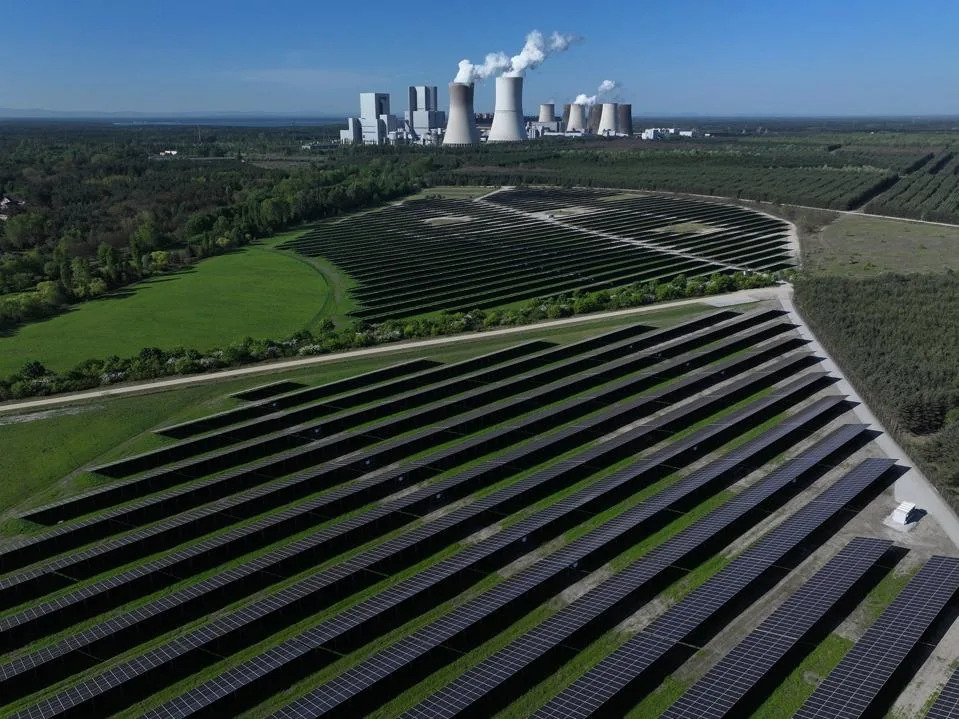
View of Boxberg solar park with Boxberg coal power plant in background. Heat waves in 2026 have impacted both these kinds of facilities, though in different ways. See text for discussion. (Photo by Sean Gallup/Getty Images)Getty Images
Systemic Grid Stresses
Heat waves also strain transmission and distribution: lines sag, transformers overheat, and oil and gas in pipelines expand, raising pressures and failure risk. These combined effects can cause outages even in grids without any nuclear plants—Tunisia’s July 14, 2026 nighttime blackout, for example, occurred in a system dominated by gas generation.
Environmental Rules And The Real Constraints
Operators usually must limit how much warmer they return water to a river or lake to avoid harming aquatic ecosystems. Typical permitted discharge increases range from about 2°F to 9°F (≈1.1°C–5°C) over intake temperature. When ambient water is already near such ecological limits, operators must curtail generation because the receiving body lacks the thermal capacity to absorb additional waste heat—even if the plant itself is functioning normally.
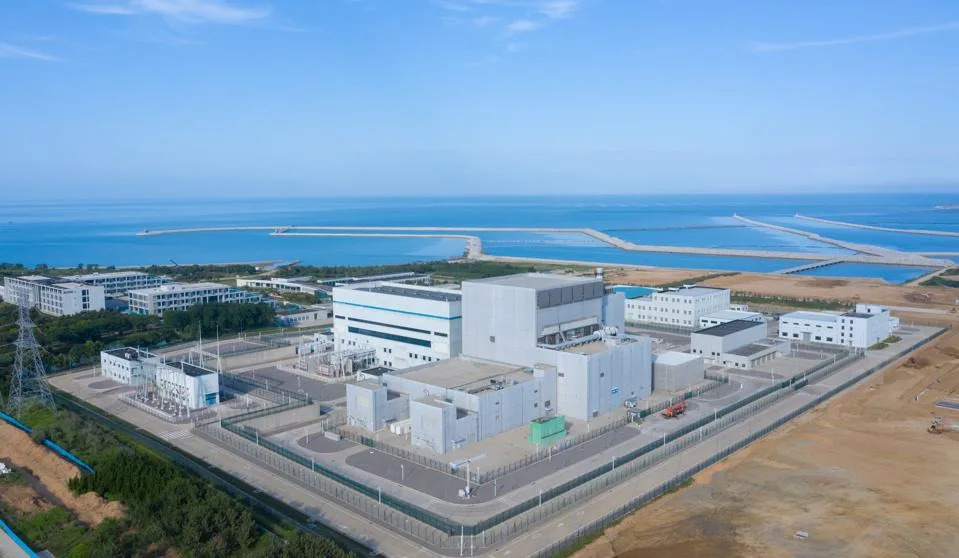
View of Shidaowan high temperature gas-cooled nuclear plant in Rongcheng City, Shandong Province, China. This reactor design uses helium as coolant instead of water. (Photo by Li Zhihao/Xinhua via Getty Images)Xinhua News Agency via Getty Images
Mitigations And Design Responses
Responses include retrofits and design changes: cooling towers or closed-loop condensers reduce river water use; air or hybrid cooling can be used where water is scarce (though at efficiency and cost penalties); and plant siting and operational flexibility are being reconsidered. For nuclear specifically, small modular reactors (SMRs) use far less cooling water per unit and can make air or hybrid cooling more viable. Next-generation reactors and some advanced designs use non-water coolants such as helium, molten salt, or liquid metals, eliminating the river-temperature constraint entirely.
Regulators also have legal mechanisms to provide temporary flexibility—limited waivers or modified discharge limits—when emergency grid-stability needs outweigh short-term environmental trade-offs. These are intended to balance ecological protection with preventing wider outages.
What This Means For Policy And Planning
Heat waves are a system-level stress test, not a problem unique to any one technology. Climate change is making extreme heat and drought more frequent and severe, which increases the chance that supply constraints will coincide with peak demand (air conditioning). That reality argues for a diverse generation mix, updated plant cooling and siting standards, investment in grid resilience, and demand-side measures to reduce peak loads.
Bottom line: The media focus on nuclear curtailments can mislead public perception. The technical problem is physical and ecological—warmer waters and drought reduce the ability of many types of generation to run at full capacity. Broad-based solutions, including improved cooling, smarter regulation, and technology diversification, are required to maintain reliable, low-carbon electricity in a hotter world.
Help us improve.