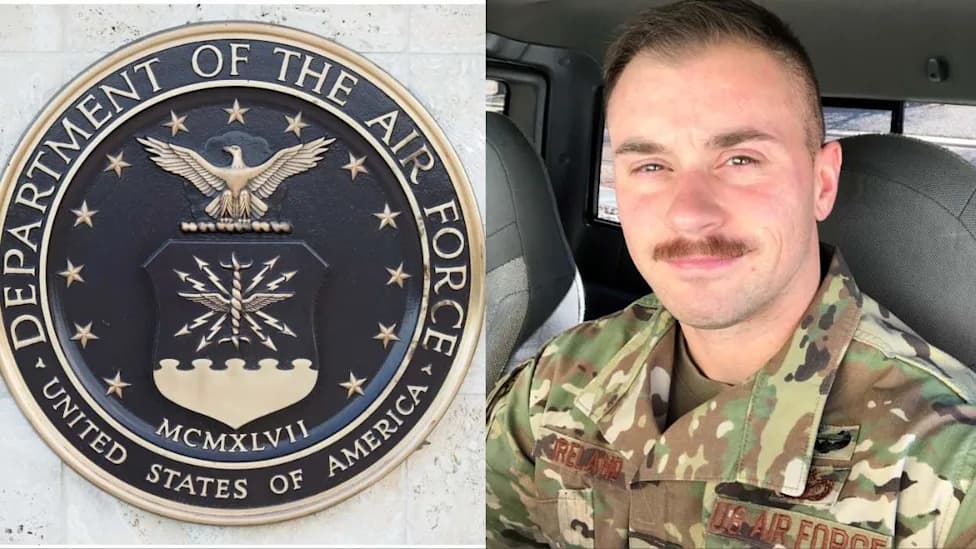
The Justice Department asked the D.C. Circuit to withhold its mandate so it can seek Supreme Court review of a June ruling that protected certain transgender service members from the Trump administration's military policy. The June injunction barred discharges of the named plaintiffs but did not extend to prospective enlistees. DOJ says it will file a Supreme Court petition by August 30; advocates, including Shannon Minter, oppose the stay and say the ban causes irreparable harm. The case remains active in district court, with trial set for January 4, 2027.
DOJ Asks Supreme Court Review, Seeks Delay of D.C. Circuit Protections for Transgender Troops
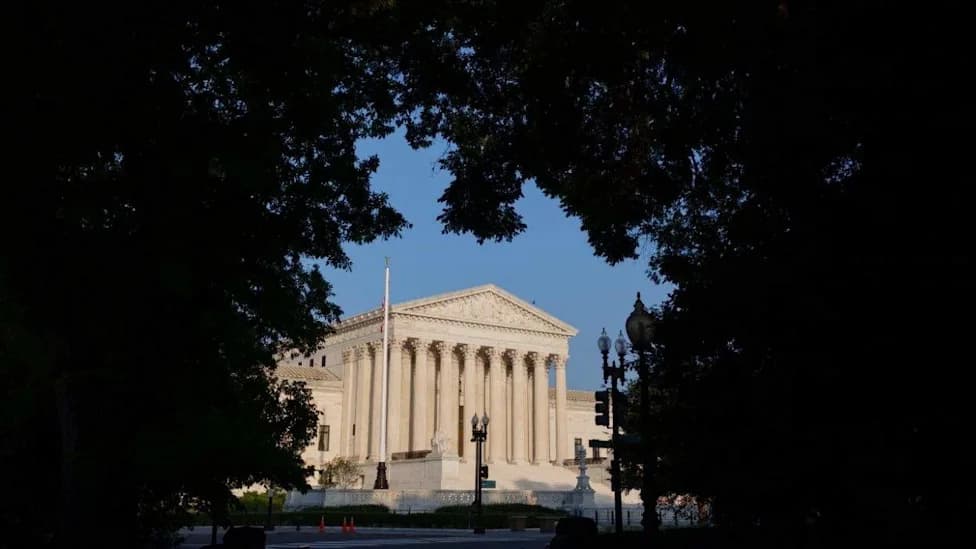
supreme court
The Justice Department asked the U.S. Court of Appeals for the D.C. Circuit on Thursday to hold the court's mandate in abeyance so the government can prepare a petition asking the U.S. Supreme Court to review a ruling that had protected certain transgender service members from the military policy announced under President Donald Trump and enforced by Defense Secretary Pete Hegseth.
In a motion filed with the appeals court, DOJ attorneys said the government expects to file its Supreme Court petition by August 30 and will not seek an extension. The motion asks the D.C. Circuit to delay issuing the mandate — the final procedural step that would make the court's June decision effective — while the administration readies its appeal. The transgender plaintiffs oppose the request, DOJ lawyers noted.
What the June Ruling Did
In June, a divided three-judge panel of the D.C. Circuit granted a preliminary injunction that blocks the government from discharging the transgender service members who brought the lawsuit while the case proceeds in U.S. District Court for the District of Columbia. The injunction did not extend the same protection to transgender applicants seeking to enlist, and it was not a final determination on the constitutionality of the policy.
Why the Mandate Matters
Before an appeals-court decision takes effect, the court must issue its mandate. If the D.C. Circuit issues the mandate, the protections for the plaintiffs would take effect. The Justice Department is asking the court to withhold that step; if the court grants a stay, the administration could continue enforcing the policy against the plaintiffs while it prepares a Supreme Court petition. If the stay is denied, the government could still ask the Supreme Court on an emergency basis to block the appeals court's order.
'We will oppose this request to stay the mandate,' said Shannon Minter, legal director of the National Center for LGBTQ Rights and an attorney for the plaintiffs. 'It is particularly egregious that the administration is denying that the ban will cause our plaintiffs irreparable harm.'
Policy Details and Legal Arguments
The administration's policy bars from military service anyone with a current diagnosis or history of gender dysphoria, anyone who has received gender-affirming hormone therapy, or anyone who has undergone transition-related procedures. A narrow waiver process exists, but its criteria are strict: applicants generally must show they never attempted to transition and are willing to serve under standards tied to their sex assigned at birth.
In his June opinion, Judge Robert Wilkins warned that the policy could disqualify people for having experienced gender dysphoria years earlier or for having socially transitioned by changing clothing or pronouns, and found the government had not shown a legitimate military reason for treating those individuals as unfit to serve.
The Justice Department argues the Supreme Court is likely to hear the case because the justices previously allowed the Pentagon to enforce the same policy in a separate challenge. In Shilling v. United States, a federal judge in Washington state had issued a nationwide injunction blocking the ban; in May 2025 the Supreme Court stayed that injunction, permitting enforcement while litigation continued. The high court's action in Shilling did not resolve the constitutionality of the policy — it only allowed enforcement during ongoing review.
DOJ attorneys also cite the Supreme Court's June 30 decision letting Idaho and West Virginia bar transgender girls and women from girls' and women's school sports, arguing that the sports ruling supports the proposition that laws may be upheld when they are broadly connected to a legitimate government objective. Advocates counter that the sports decision was narrowly focused on athletics and does not authorize widespread discrimination in employment, education, or military service.
Ongoing Litigation and Stakes
The underlying Talbott litigation continues in federal district court. U.S. District Judge Ana Reyes has suggested she believes the ban was motivated by government animus toward transgender people and has certified the case as a class action, meaning a final ruling could affect a wider group of transgender service members and prospective recruits. Trial is scheduled to begin January 4, 2027.
This article originally appeared on Advocate and has been edited for clarity and flow.
Help us improve.