Household energy used for space cooling in the EU nearly doubled from 40.5k TJ in 2018 to 80.4k TJ in 2024 (+99%). Italy is the largest absolute consumer (26.3k TJ, 32.7% of the EU total), while Austria recorded the largest percentage increase. The June 2026 heatwaves pushed electricity demand and wholesale prices sharply higher — RTE estimates cooling added 10–14 GW at peak — highlighting growing strain on European power systems as the continent warms faster than the global average.
Europe’s Cooling Demand Doubles in Six Years — Which Countries Are Driving the Surge?
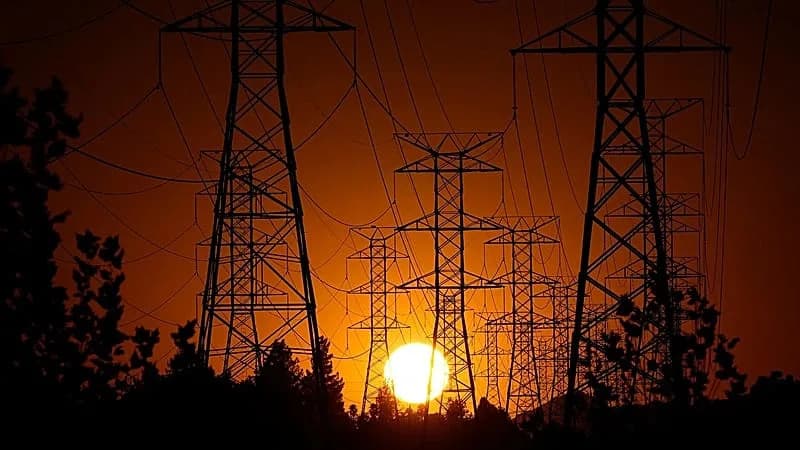
Europe's energy use for cooling doubled in six years: Which countries use the most?
June 2026 was the hottest June on record for western Europe and the second-warmest globally, according to Copernicus. Rising temperatures and more frequent heatwaves are pushing household demand for cooling higher across the continent.
Rapid Growth in Household Cooling Energy
EU households nearly doubled their energy use for space cooling between 2018 and 2024, climbing from 40.5 thousand terajoules (TJ) to 80.4 thousand TJ — a 99% increase in six years. Looking further back, consumption was just 15.5 thousand TJ in 2010, an overall rise of about 420% over 14 years.
Widespread But Uneven Increases
Growth has been uneven across Europe. Some countries that historically reported little or no cooling consumption have started to adopt air conditioning, producing very large percentage increases from a low base. For instance, Austria’s household cooling energy rose from 22 TJ (2018) to 253 TJ (2024), an increase of more than 1,000%. Among EU members, Czechia (+244%) and Italy (+193%) also recorded very large percent increases.
Other notable rises between 2018 and 2024 include Hungary (+171%), Finland (+163%), Spain (+127%), Slovenia (+114%) and Greece (+103%). By contrast, France’s household cooling energy rose by 52% while Germany’s stayed relatively stable with an 8% increase. (A zero in charts indicates no reported consumption, not necessarily no change.)
Where Cooling Makes Up The Biggest Share Of Household Energy
The share of final household energy used for space cooling varies sharply by country. The EU average in 2024 was just 0.84%, but cooling represents a substantial portion of household energy in several places: Cyprus leads at 16%, followed by Malta (15%) and Albania (13.4%). Other countries above 2% include North Macedonia (3%), Montenegro (2.9%), Spain (2.5%), Italy (2.3%) and Croatia (2.1%).
Absolute Consumption: Italy, Spain And Greece
In absolute terms, Italy is the EU’s largest consumer of energy for cooling at 26.3 thousand TJ, accounting for almost a third (32.7%) of the EU total. Spain is second with 14.3 thousand TJ (17.8%), while Greece has the third-largest EU share at 14.8%. When including candidate countries, Turkey appears as a major consumer at 13.6 thousand TJ.
Impact On Electricity Markets
The surge in cooling demand is already reshaping power systems. During the June 2026 heatwaves electricity demand jumped across the EU’s four largest economies, with France seeing the largest increase. France’s grid operator, RTE, estimates that each 1°C rise typically adds between 0.7 GW and 1 GW of demand and that cooling likely added an extra 10–14 GW during the hottest days.
Higher demand and constrained supply drove wholesale power prices sharply up: prices topped €200/MWh in Germany, reached almost €160/MWh in France and exceeded €110/MWh in Spain. Supply constraints included weak wind generation in parts of Europe and temporary cuts to French nuclear output linked to unusually warm river water. While wholesale spikes do not immediately translate into higher household bills, sustained price increases can push up retail electricity costs.
Wider Context
Europe is warming roughly twice as fast as the global average. FAO data indicate the 10 countries with the largest temperature increases in 2023 were all in Europe, underlining how climate change is intensifying demand for cooling and putting additional pressure on energy systems.
Takeaway: Rapidly rising temperatures, wider adoption of air conditioning and constrained power supply combine to make cooling a growing driver of Europe’s energy demand and electricity-price volatility.
Help us improve.