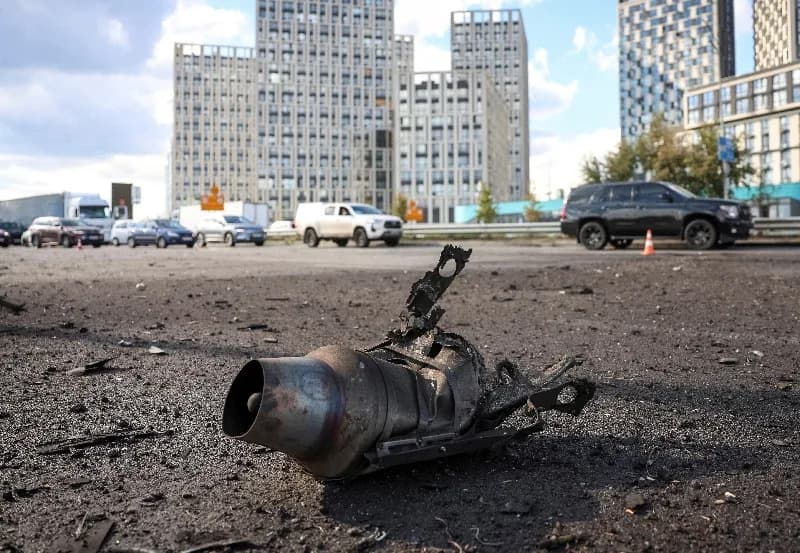
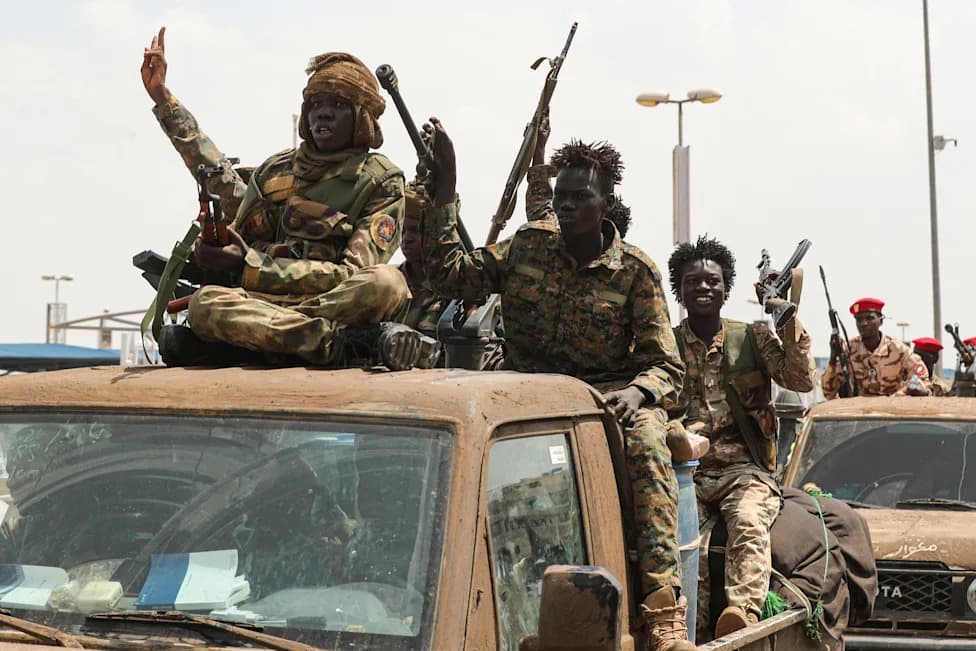
Ukraine's war has highlighted that rapid innovation and integration, not just superior platforms, now help decide battlefield outcomes. NATO leaders — including Germany's Heico Hübner and Adm. Pierre Vandier — warn that sensors, drones and AI are compressing detection-to-engagement timelines from hours to minutes or seconds. Western militaries are urged to speed acquisition and integration cycles, embrace a startup-style innovation mindset, and field "good enough" systems that can be iterated quickly.
Speed Over Size: How Ukraine Is Teaching the West That Rapid Innovation Can Decide Wars
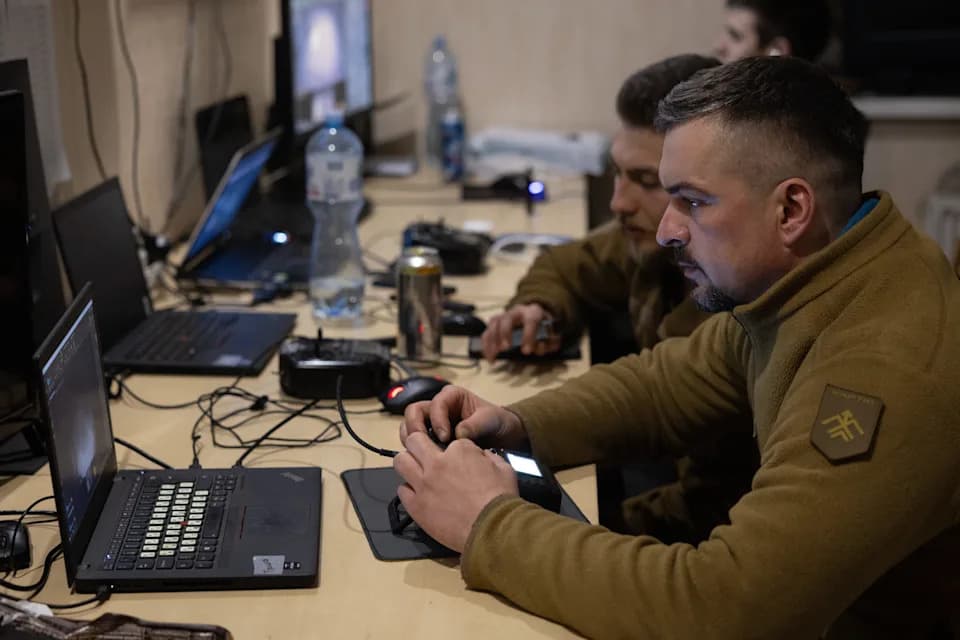
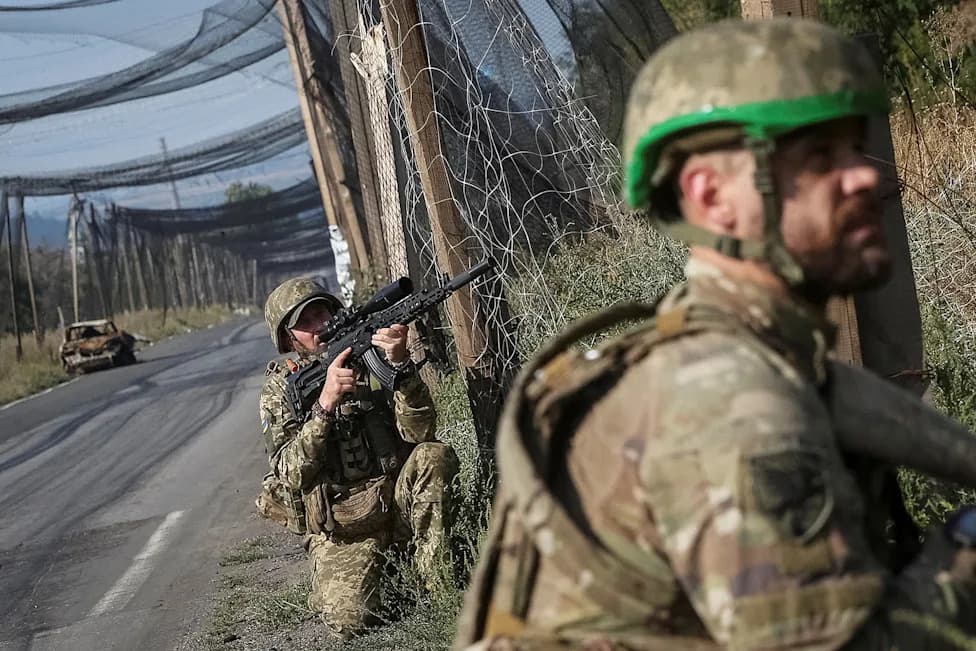
Ukraine has developed a host of systems to speed up battlefield decisions.Chris McGrath/Getty Images
Ukraine's fight against Russia has revealed a stark lesson for Western militaries: in modern conflict, the pace of innovation, integration and decision-making can matter as much as — or more than — the quality of individual weapons systems.
Why Speed Matters
Speaking at a drone summit in Latvia, Heico Hübner, vice chief of the German Army, argued that "the speed of military innovation has itself become a decisive factor of military power." He said the key question is no longer simply which side develops better technology, but which side can scale and technically integrate innovations into forces fastest.
"Deterrence today is no longer based on mass alone; it depends on the speed, connectivity and, most importantly, adaptability — the armed forces that translate innovation into military effects the fastest will hold a decisive advantage." — Heico Hübner
Faster Kill Chains and Greater Transparency
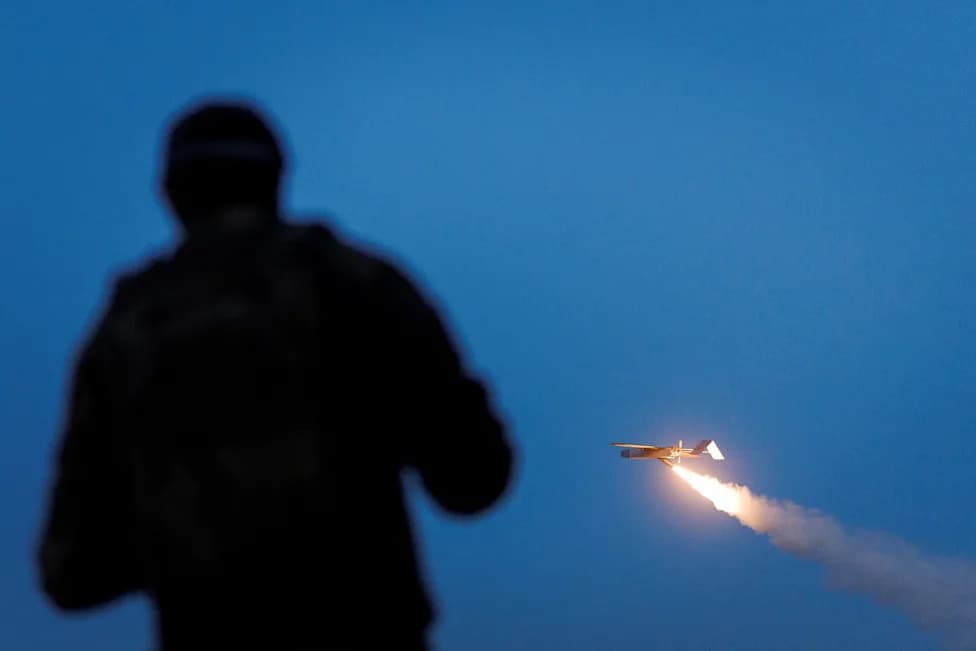
Leaders at NATO and allied militaries report that sensors, drones, electromagnetic surveillance and AI-enabled data processing are compressing the time between detection and engagement from hours to minutes — in some cases seconds. As Adm. Pierre Vandier, NATO's Supreme Allied Commander for Transformation, put it, the decisive factor today is not just technological sophistication but the "speed of integration, the speed of adaptation, and the ability to turn innovation rapidly into operational effect."
How Ukraine Is Moving Faster
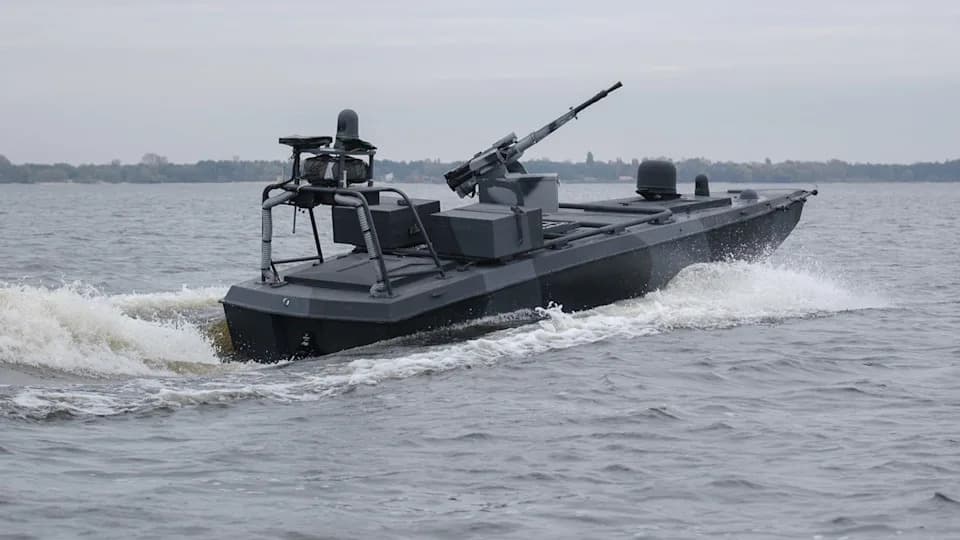
Under existential pressure, Ukraine has shortened innovation cycles drastically — developing, testing and fielding new capabilities in weeks rather than years. One example is the Delta system, which fuses satellite imagery, frontline unit reports and drone feeds to link sensors, commanders and weapons. This integration reduces the delay between spotting a target, deciding on a response and striking it.
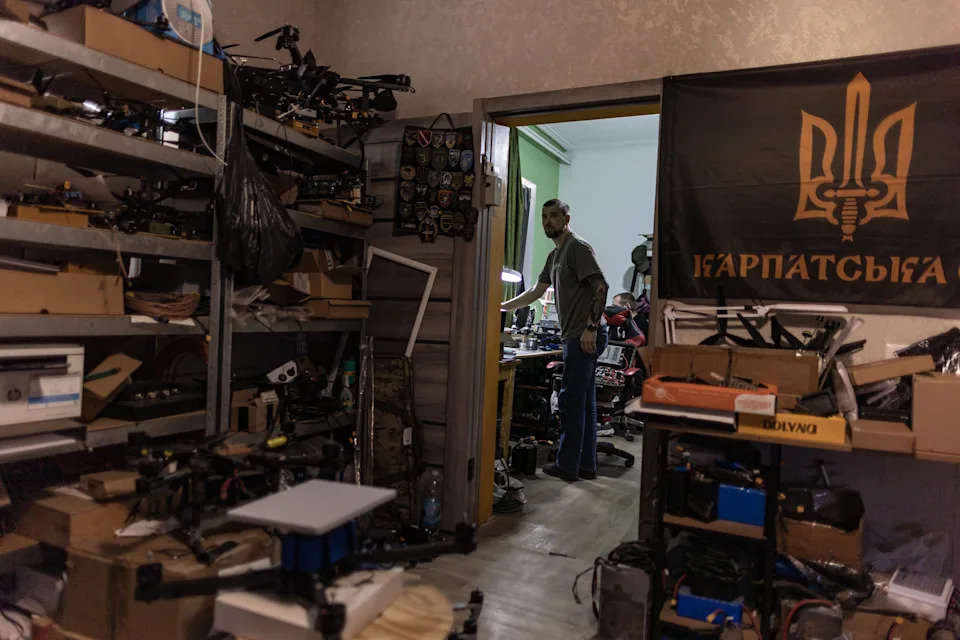
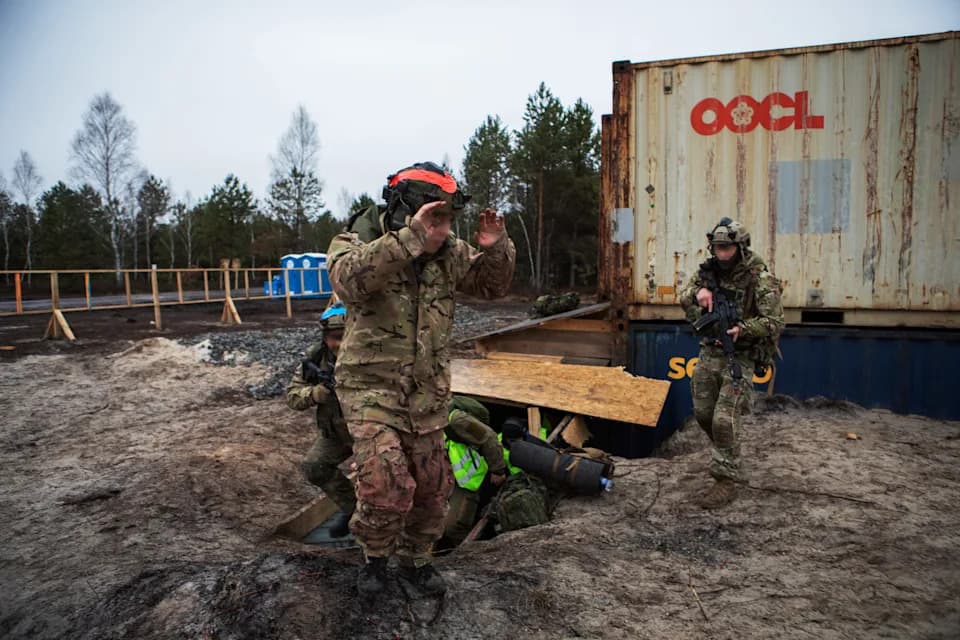
Ukraine is testing, building, and adapting weapons faster than its allies.Diego Herrera Carcedo/Anadolu via Getty Images
US Army Capt. Paul Dolan observed that Ukraine has shown the "deadly efficiency of modern battlefield targeting," with sensor-to-shooter integration that often leads from detection straight into engagement. NATO's Sir John Stringer highlighted how Ukraine's front lines combine drone operators, technical know-how and an industrial mindset that applies lessons rapidly.
Allies Respond
Western governments are taking note. The UK has partnered with US data firm Palantir to develop AI-enabled tools tested in Ukraine to speed decision-making, planning and targeting. The UK's 2025 Strategic Defence Review emphasizes autonomous systems and AI to enable operations at "machine-speed." Allies, including Latvia's Andris Sprūds, urge a startup-style innovation mindset to prioritize process and rapid iteration, not just final products.
Stringer also warned that Ukraine's industrial base has "scaled phenomenally," moving from producing thousands of drones in 2022 to millions by 2026 — a development NATO must consider when planning industrial and logistical responses.
Strategic Implications
Military leaders say the West faces a strategic challenge: current procurement, testing and fielding cycles are often too slow for the tempo of modern warfare. The call is to accelerate capability development to timelines measured in weeks and months, favoring systems that are "good enough, fast enough, cheap enough" to be delivered and iterated rapidly.
In short, Ukraine's experience suggests that the next major conflicts will reward forces that can innovate faster, integrate technologies more quickly, and turn data into decisions and effects at unprecedented speed.
Help us improve.