Operation Legio at Camp Jomsborg is training Ukrainian troops while forcing NATO to confront how slow peacetime processes hinder wartime readiness. Trainers say Ukraine's rapid battlefield-driven updates and engineering close to the front highlight the need for faster procurement, streamlined rules and closer ties with industry. Western leaders urge cutting bureaucratic red tape and accelerating technology adoption to prepare for large-scale conflict.
Operation Legio: How Ukraine's Wartime Tempo Is Forcing NATO To Rethink Slow Peacetime Systems
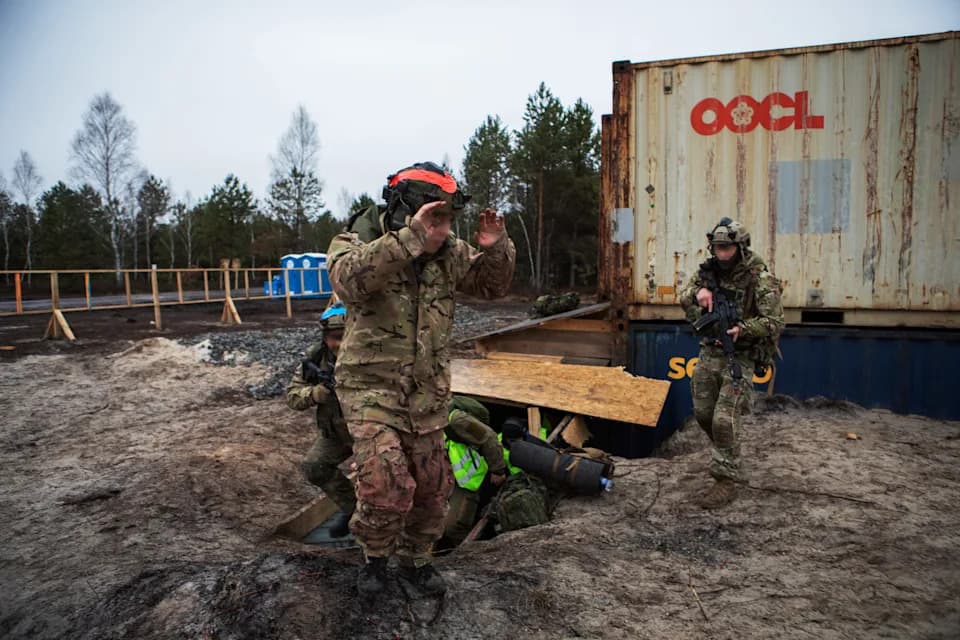
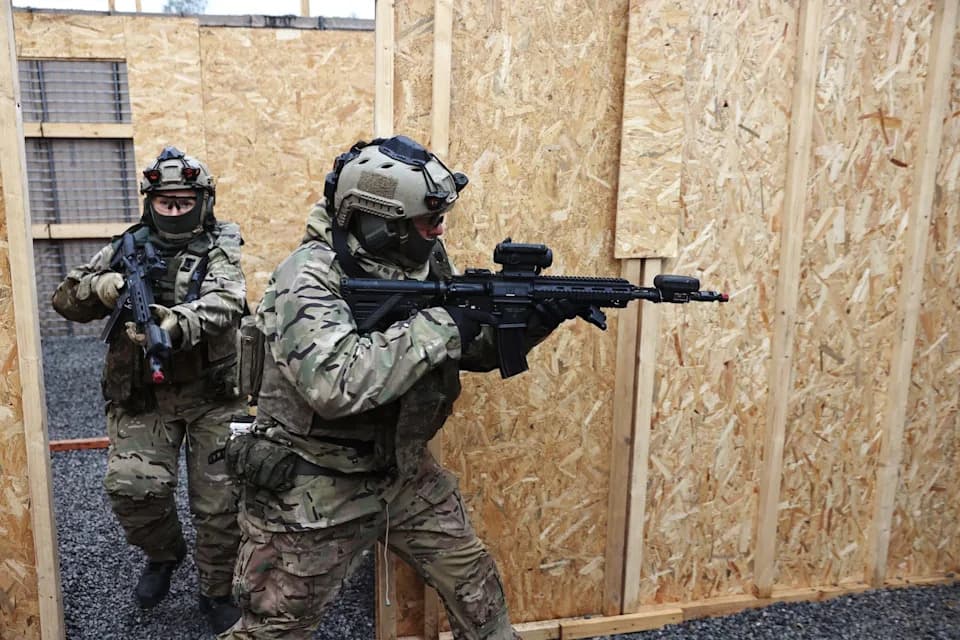
Ukrainian soldiers are training at Camp Jomsborg in eastern Poland.Synne Nilsson / Forsvaret
NATO trainers say the breakneck tempo of Ukraine's wartime operations is exposing how bureaucratic and slow many Western peacetime systems have become. Norway's Operation Legio — a multinational training effort at Camp Jomsborg in eastern Poland — is already reshaping how allied militaries think about speed, innovation, procurement and training.
Training At The Frontline Of Change
Camp Jomsborg trains Ukrainian soldiers while feeding battlefield lessons back into NATO forces. Maj. John, the S3 operations officer responsible for synchronizing the program, told Business Insider that the camp sits at "the mental and geographical middle point between war in the east and peacetime mechanisms in the West." He added: "There is a lot of learning to be done for European nations."
Brig. Atle Molde, commander of Task Force Legio, has been blunt: "It's not difficult to see that the way we operate in the peacetime West wouldn't work" in a large-scale conflict. That concern is driving conversations about how to shorten procurement cycles, create faster training pipelines and allow sensible risk-taking when timeliness can mean survival.
From Forest To Training Hub In Months
The speed of adaptation at Jomsborg is striking. The camp was carved out of a forest and established in a matter of months, with training scenarios constantly updated as Ukrainian instructors and returning soldiers share lessons from the front. Training teams have rebuilt the trench network several times to reflect real battlefield conditions.
"Ukraine needs effects now," Maj. John said. "Our processes, our mechanisms are not that used to that tempo."
Procurement, Innovation, And The Cost Of Red Tape
Molde described daily frustrations with peacetime procurement and upgrade procedures. In many Western systems, updating a drone or weapons firmware can require sending hardware to a contractor and waiting months for a certified upgrade. In Ukraine, Molde said, engineers are operating close to the front and iterating software every few days or weeks to meet immediate needs.
That wartime model prioritizes speed, risk-tolerant experimentation and intimate cooperation with industry. NATO and partner nations say elements of that approach — faster field updates, streamlined approvals, and closer engineer‑to‑soldier feedback loops — should inform peacetime preparedness.
Molde argued that meaningful change will require legislative and regulatory reform: "If you give army engineers money, resources and no restrictions, they can do magic." He also acknowledged that to scale such an approach across allied militaries will demand careful balance between speed and safety.
What Camp Jomsborg Demonstrates
The camp shows how bypassing certain peacetime procedures can enable rapid construction and create more realistic, scalable training conditions. Molde recalled being asked whether all building permits had been followed; his frank reply: "No, ma'am. None of them."
Eastern Poland also offers fewer constraints for large-scale drone and electronic-warfare exercises than much of Western Europe, where restricted airspace complicates testing and experimentation at scale.
Calls For Faster Adoption
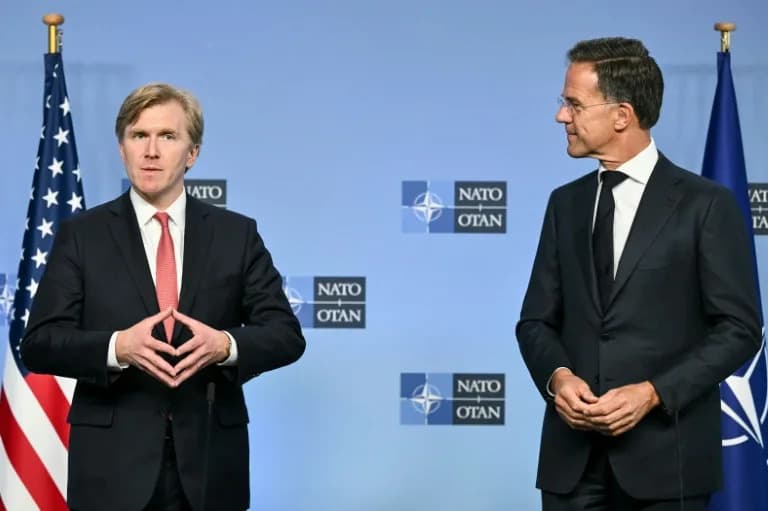
Senior NATO figures say the lessons are clear: adoption and adaptation of technology in Ukraine is happening at unprecedented speed — often measured in weeks, according to Sir John Stringer, NATO's Deputy Supreme Allied Commander for Europe. Political leaders have urged a reduction in red tape to enable faster procurement and cross-border industrial cooperation; several have called for a defense industrial overhaul to keep pace with modern warfare.
Task Force Legio's experience underscores a core message: NATO cannot wait for a future conflict to begin before changing how it buys, updates and trains with critical systems.
Photograph: Ukrainian soldiers train at Camp Jomsborg in eastern Poland.
Help us improve.