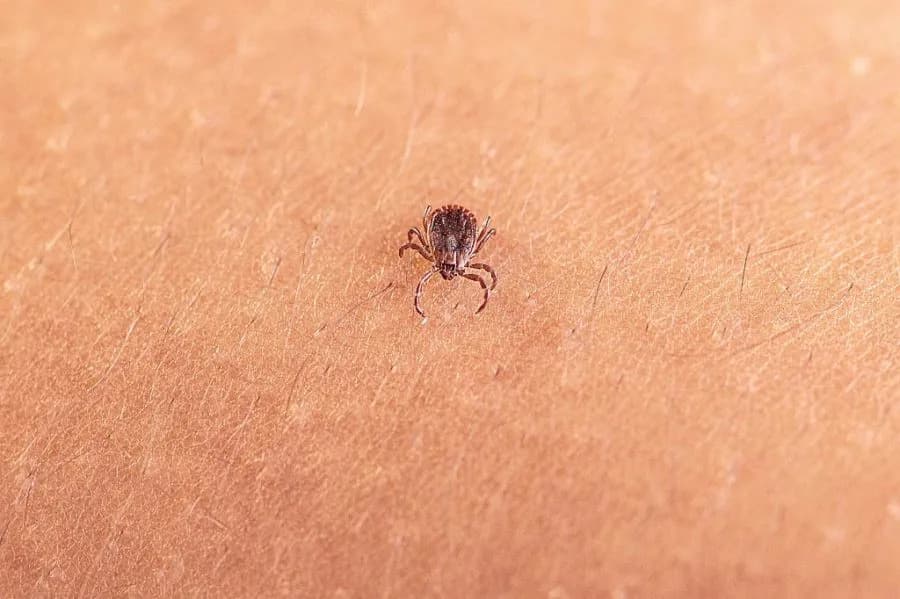
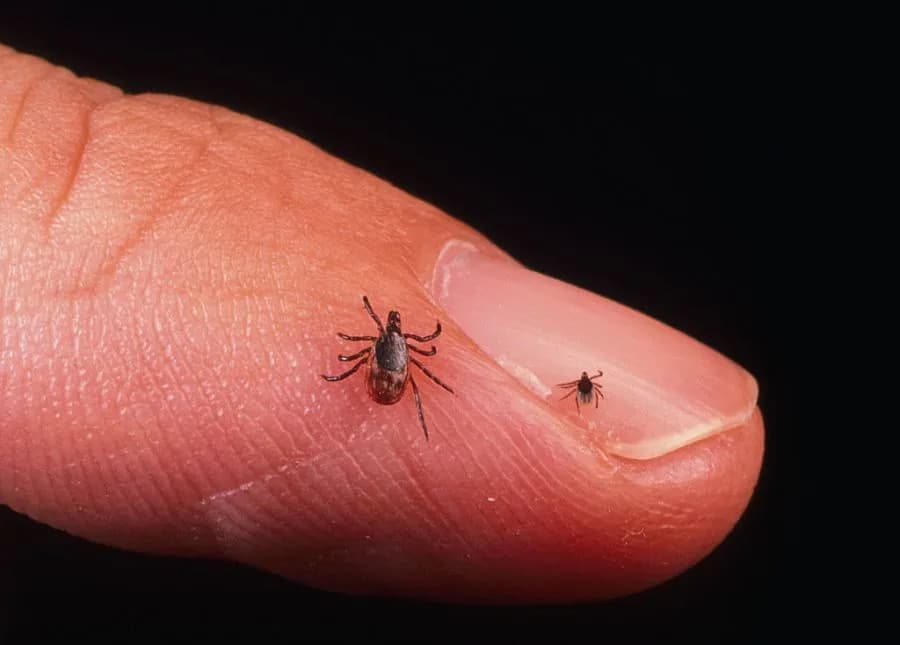
Ticks in the U.S. transmit a range of diseases, with Lyme disease remaining the most reported infection—more than 89,000 cases were reported to the CDC in 2023 and broader estimates reach up to 476,000. Blacklegged (deer) ticks spread Lyme plus anaplasmosis, babesiosis, Powassan virus and other infections, while the expanding lone star tick is linked to alpha-gal syndrome, Heartland virus and Bourbon virus. Rocky Mountain spotted fever can be carried by multiple tick species and occurs nationwide; regional illnesses like tularemia and Colorado tick fever are reported in specific areas. Alaska is the only state without established populations of these common U.S. ticks.
Which Ticks Live in Your State — And the Diseases They Can Spread
The ticks you may find in your state, and the diseases they can carry
It's been a difficult year for ticks across the United States: emergency-room visits for tick bites have risen, and the risk of tick-borne illness depends heavily on where you live. This guide explains the major tick species found in the U.S., the infections they can transmit, where those illnesses are most commonly reported, and practical steps to protect yourself.
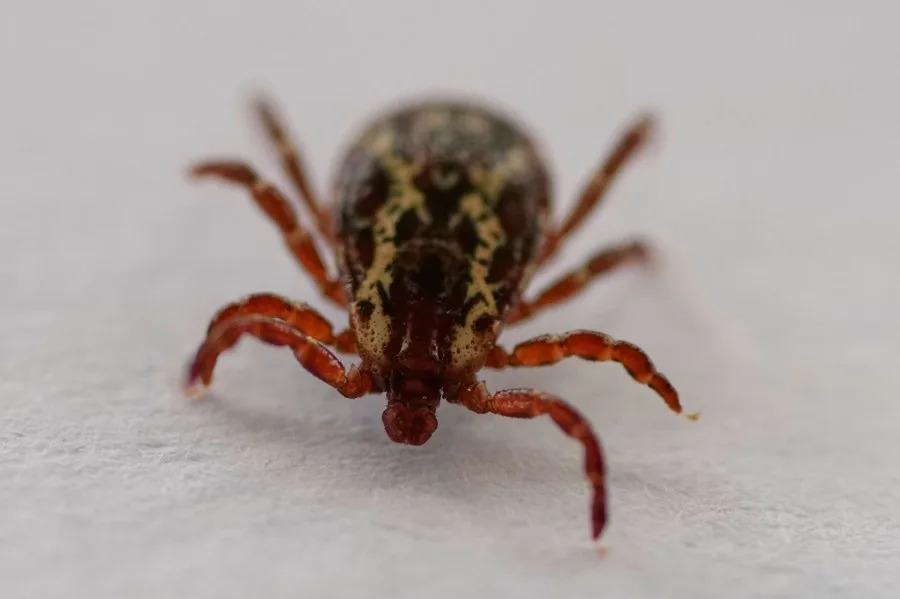
An American Dog Tick is seen in Chincoteague, Va., Wednesday, April 29, 2026. (AP Photo/Carolyn Kaster)
Major Tick Species And The Diseases They Carry
Blacklegged (Deer) Tick
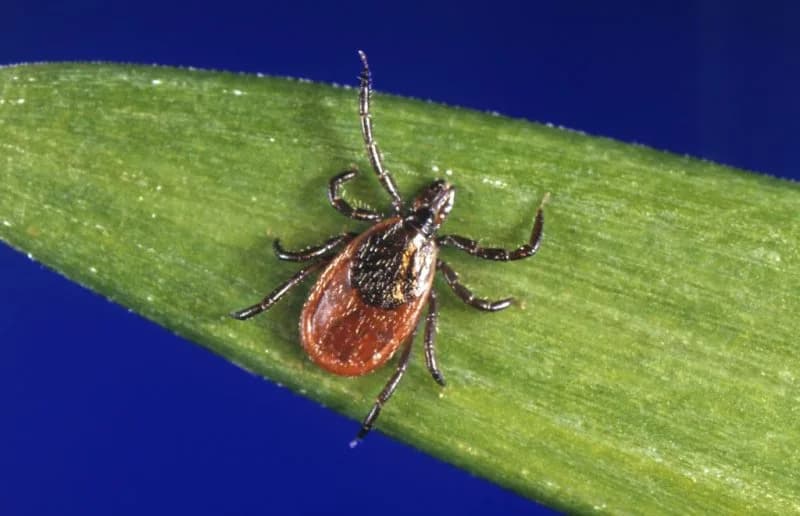
Also called the deer tick, the blacklegged tick is the primary vector for Lyme disease. More than 89,000 Lyme cases were reported to the CDC in 2023, and broader estimates place the true number as high as 476,000 (the CDC notes higher estimates may include suspected, unconfirmed cases).
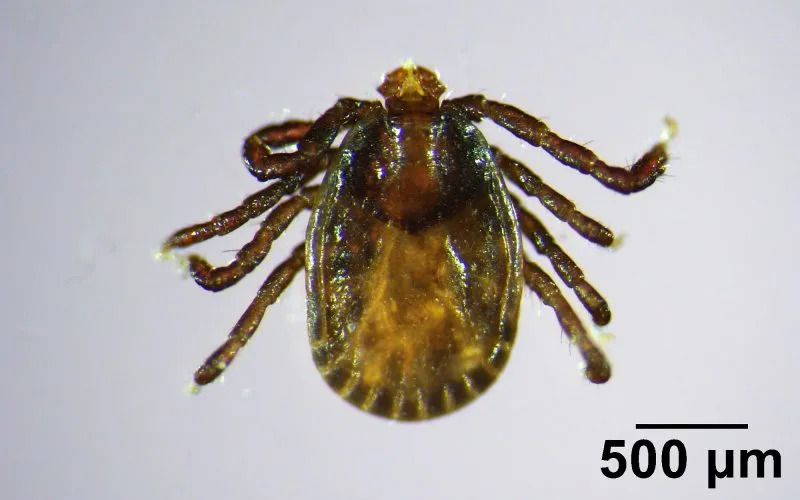
This handout photo provided by the University of Maine and taken in July, 2025 shows an Asian longhorned tick. (Griffin Dill/University of Maine via AP)
Blacklegged ticks also transmit anaplasmosis (caused by Anaplasma phagocytophilum), babesiosis, Powassan virus, and hard tick relapsing fever. Anaplasmosis can be life-threatening if untreated; babesiosis often causes flu-like illness; Powassan virus infections have been rising and can cause severe neurologic disease.
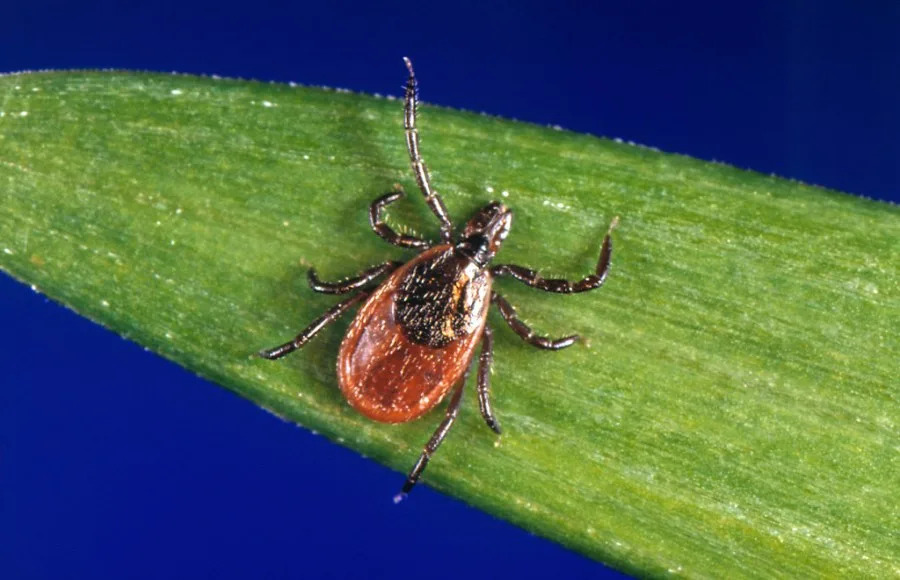
FILE – This undated photo provided by the U.S. Centers for Disease Control and Prevention (CDC) shows a blacklegged tick, also known as a deer tick, a carrier of Lyme disease. (CDC via AP, File)
Powassan Virus — Where It's Been Seen
Powassan infections have been reported in resident cases across many states, including Connecticut, Florida, Georgia, Illinois, Indiana, Maine, Maryland, Massachusetts, Minnesota, New Hampshire, New York, North Carolina, North Dakota, New Jersey, Ohio, Pennsylvania, Rhode Island, Vermont, Virginia, and Wisconsin. Minnesota, Wisconsin, and Massachusetts have each reported more than 80 total Powassan cases to date.
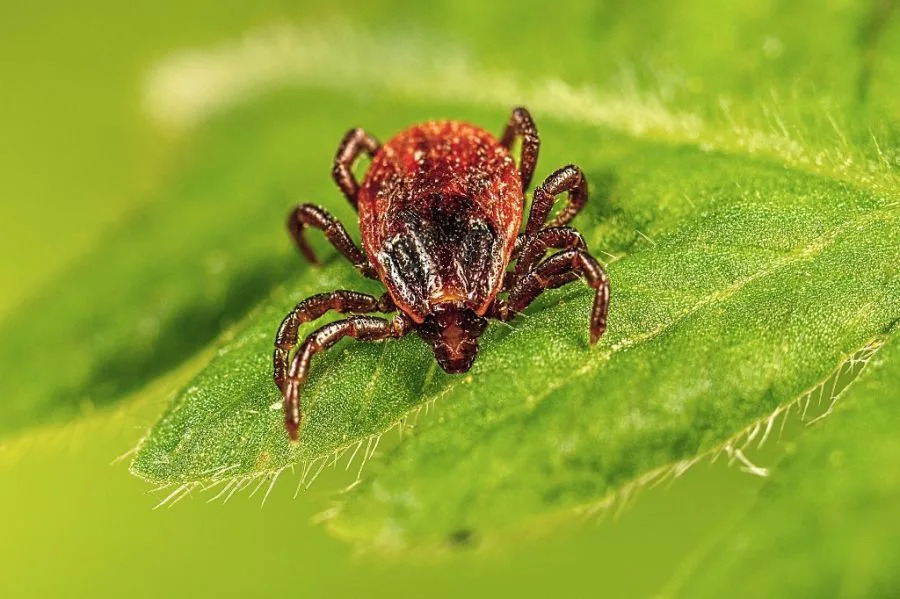
An adult female brown dog tick (Rhipicephalus sanguineus) is seen crawling on vegetation, 2023. Image courtesy CDC. (Photo by Smith Collection/Gado/Getty Images)
Lone Star Tick
The lone star tick has been expanding its range and is associated with alpha-gal syndrome (a red-meat allergy triggered by a tick bite). It can also transmit Heartland virus (symptoms: fever, headache, nausea, muscle/joint pain, diarrhea) and is suspected in a small number of Bourbon virus cases. Both Heartland and Bourbon viruses have been reported from several states across the Midwest, South, and East Coast.

In this Thursday, May 24, 2012 photo, doctoral student Connie Johnson shows a vial of Gulf Coast ticks she picked up around North Carolina State University in Raleigh, N.C. Johnson and others are trying to find out why certain disease-carrying ticks are proliferating in the Southeast. (AP Photo/Allen Breed)
Ehrlichiosis
Both lone star and blacklegged ticks can carry ehrlichiosis, a bacterial illness that can become severe if not treated. Early symptoms usually appear within the first five days and include fever, chills, headache, muscle aches, nausea, vomiting, diarrhea, loss of appetite, confusion and—especially in children—sometimes a rash.
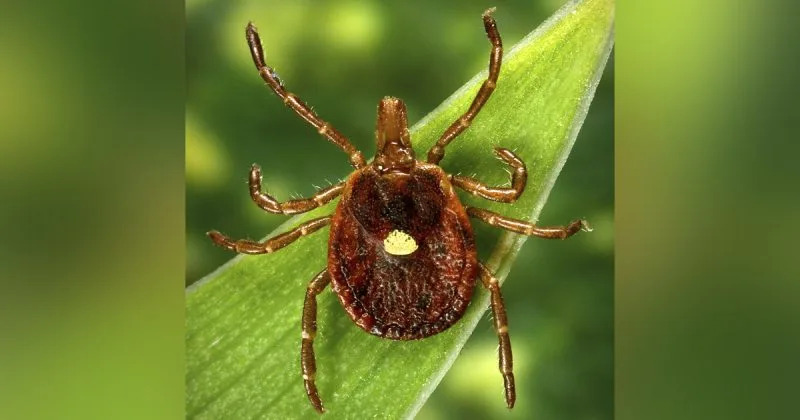
This undated photo provided by the U.S. Centers for Disease Control and Prevention shows a female Lone Star tick, which despite its Texas-sounding name, is found mainly in the Southeast. At least 100,000 people in the U.S. have become allergic to red meat since 2010 because of a weird syndrome triggered by tick bites. That's according to a new government report. But health officials believe more have the problem and don't know it, and the actual number is more than than four times higher. The Centers for Disease Control and Prevention on Thursday, July 27, 2023 released two reports on the growing tick-borne allergy problem. (James Gathany/CDC via AP)
Rocky Mountain Spotted Fever (RMSF)
RMSF can be transmitted by three widespread tick species: the American dog tick, the brown dog tick, and the Rocky Mountain wood tick. Because at least one of these species occurs in every continental state (brown dog ticks have been found in Hawaii as well), RMSF can and does occur nationwide and may be severe if untreated.
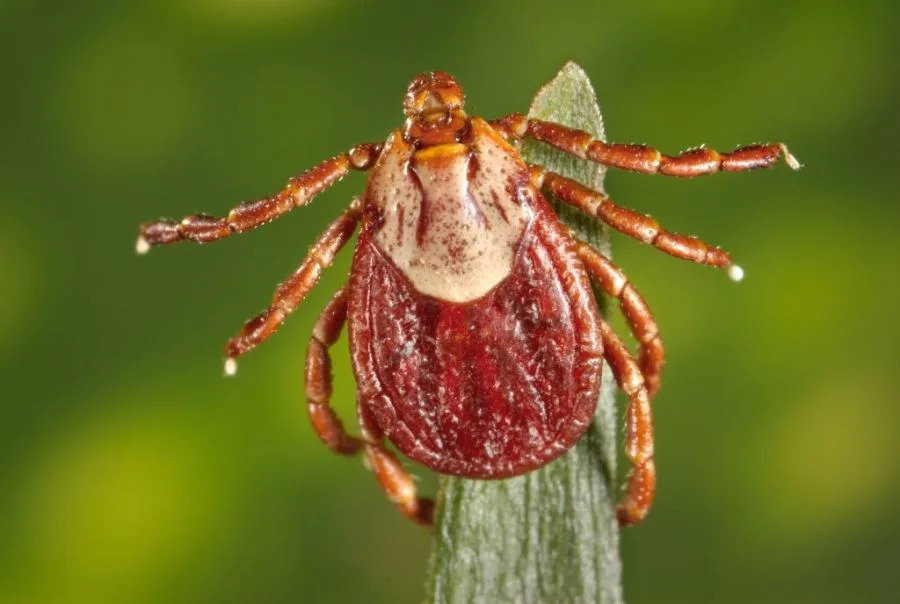
Photograph showing the dorsal view of a brown and cream colored, female Rocky Mountain wood tick (Dermacentor andersoni) an agent of Rocky Mountain spotted fever (RMSF) clinging to the tip of a green plant, image courtesy CDC/Dr Christopher Paddock, 2008. (Photo by Smith Collection/Gado/Getty Images)
Other Regional Tick-Borne Illnesses
Tularemia has been reported in all states; when tick-transmitted it commonly causes skin ulcers and swollen lymph nodes, but it also can be spread by deer flies, contaminated water, contact with infected animals, lab exposure, or inhalation of contaminated dust or aerosols.
The Gulf Coast tick and the Pacific Coast tick are regional species linked to Rickettsia parkeri rickettsiosis and Pacific Coast tick fever, respectively—both conditions are generally milder than RMSF.
Colorado tick fever, carried by the Rocky Mountain wood tick, has been detected in several Western states. Through 2022, locally acquired cases were reported in Oregon, Idaho, Montana, Wyoming, Utah and Colorado.
Where Ticks Are Not Established
Alaska remains the only U.S. state without known, established populations of the common tick species discussed above, according to the CDC.
How To Reduce Your Risk
- Use EPA-registered insect repellents containing DEET, picaridin, IR3535, or oil of lemon eucalyptus.
- Wear long sleeves and pants, tuck pants into socks, and choose light-colored clothing to spot ticks more easily.
- Perform thorough tick checks after being outdoors and shower within two hours of returning inside.
- Remove attached ticks promptly with fine-tipped tweezers—grasp close to the skin and pull steadily. Seek medical advice if you develop fever, rash, or other symptoms after a tick bite.
If you live in or travel to areas where ticks are common, stay informed about local tick activity and consult your healthcare provider about symptoms or concerns following a tick bite.
Help us improve.