Mex Muellner, an Austrian in his forties with multiple sclerosis and Uhthoff's phenomenon, has sued Austria at the European Court of Human Rights for insufficient action on climate change. He says heatwaves leave him nearly paralysed above 30°C and that domestic courts offered no effective remedy. His lawyer argues a favourable ruling could set a precedent across the 46 ECHR member states and influence EU climate policy. Muellner stresses he seeks systemic change to curb global warming, not just individual fixes like air-conditioning.
‘Too Hot To Move’: Wheelchair-Bound Austrian Sues State At European Human Rights Court Over Climate Inaction
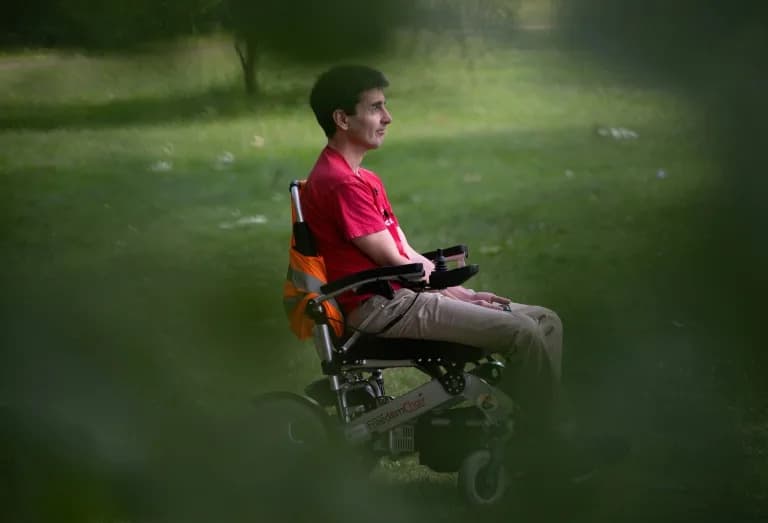
Austrian Mex Mullner, filed his lawsuit against Austria at the European Court of Human Rights (EHCR) in 2021 (Joe KLAMAR)(Joe KLAMAR/AFP/AFP)
Sweating through a record-breaking heatwave from his wheelchair, Austrian resident Mex Muellner says the extreme temperatures have strengthened his belief that suing his government for inadequate climate action was the right step. Muellner, in his forties, lives with multiple sclerosis and Uhthoff's phenomenon, a condition that intensifies neurological symptoms when his body temperature rises.
Heat Turns Daily Life Into A Crisis
Muellner says his mobility deteriorates at about 25°C and that above 30°C he becomes almost paralysed and must rely on a powered wheelchair. "As a result, signals no longer reach the muscles and the movements I want to make simply don't happen," he told AFP. The former energy consultant and his wife live in a passive house they built, engineered to keep indoor temperatures near 20°C year-round.
The Legal Challenge
In 2021 Muellner lodged a case against Austria at the European Court of Human Rights (ECHR), arguing that Austria has not adopted a sufficiently robust legislative framework to limit warming or to protect vulnerable people like him. He also criticises the Austrian judiciary for providing no effective domestic remedy. Muellner has asked the court to recognise his right, as an individual, to hold the state accountable for "doing too little" on climate policy.
Why The Case Matters
Michaela Kroemer, Muellner's lawyer, says a favourable ruling could make Muellner the first individual formally recognised as a direct victim of climate-change impacts and could pave the way for further claims across the 46 countries under the ECHR's jurisdiction. Kroemer also noted that the verdict could have implications for European Union climate policy, since Austria is an EU member state.
The ECHR has already issued a landmark ruling against Switzerland two years earlier, finding the state culpable for breaching human rights through climate inaction after a complaint by the group Senior Women for Climate Protection. However, in that case the court did not recognise the four individual applicants as victims—an outcome Muellner is seeking to change.
Broader Context
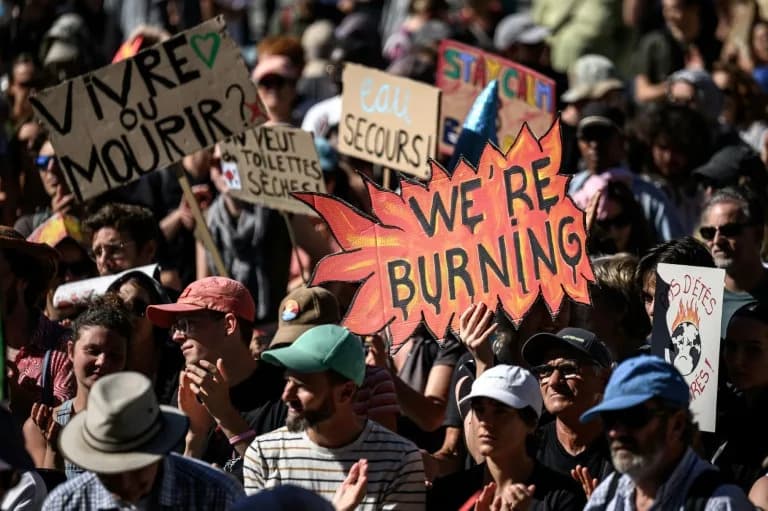
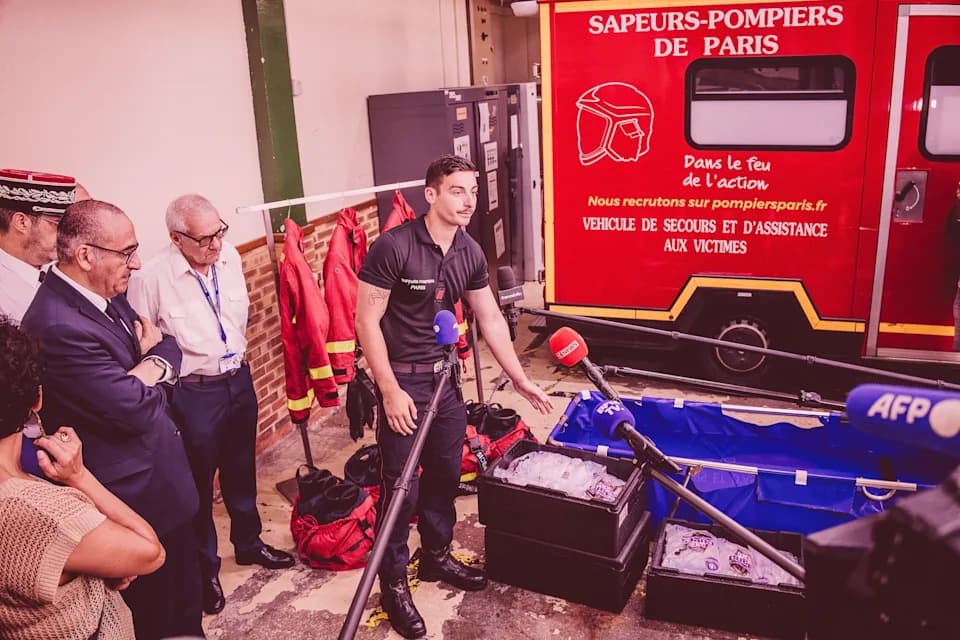
Statistics published in France showed a 30% rise in deaths during the week of June 22, the peak of that country’s heatwave, underscoring the wider public-health toll of extreme heat. Muellner says that increasingly intense heatwaves are no longer a niche issue: "Now it's too hot for everyone," he said, adding that the only long-term solution is to bring global warming under control. "I don't want the Austrian government to install air conditioning in my home," he added. "I want a solution that preserves the world, that will keep the planet livable for humanity."
Muellner has asked to keep his address confidential to avoid hostile reactions similar to those experienced by other climate activists.
Help us improve.