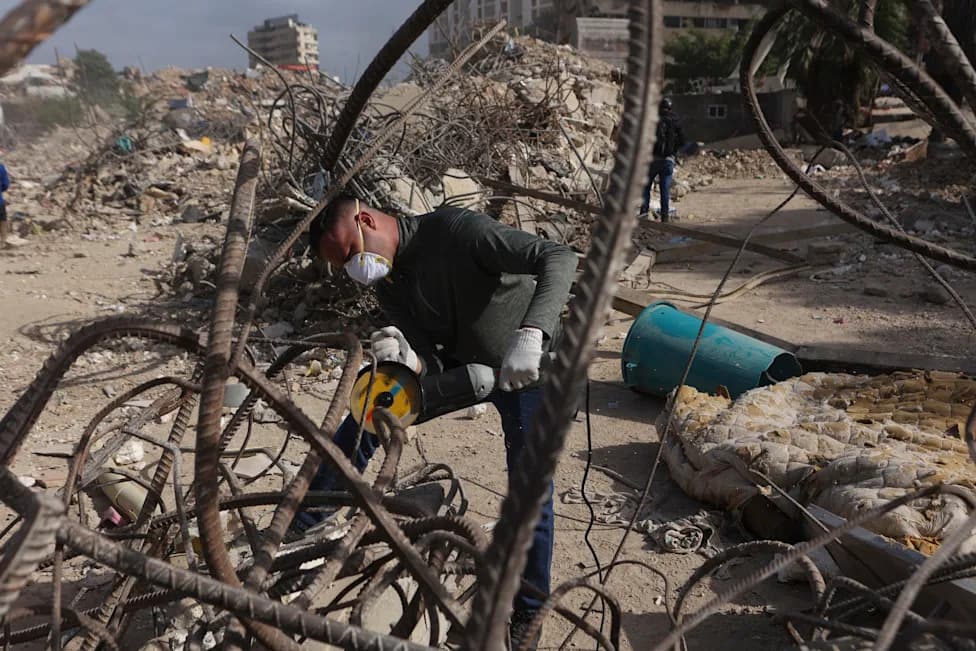
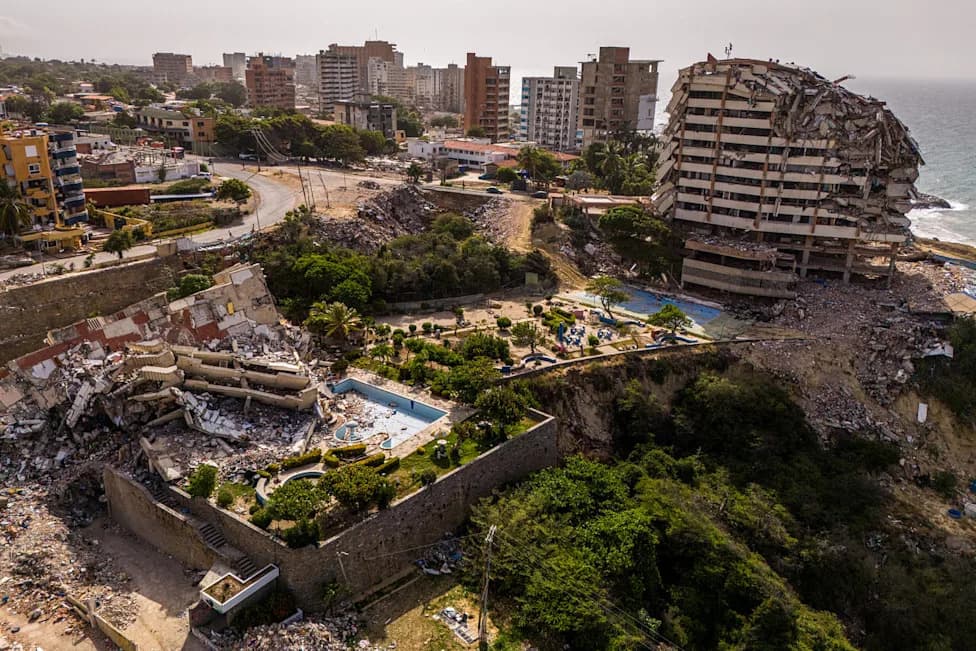
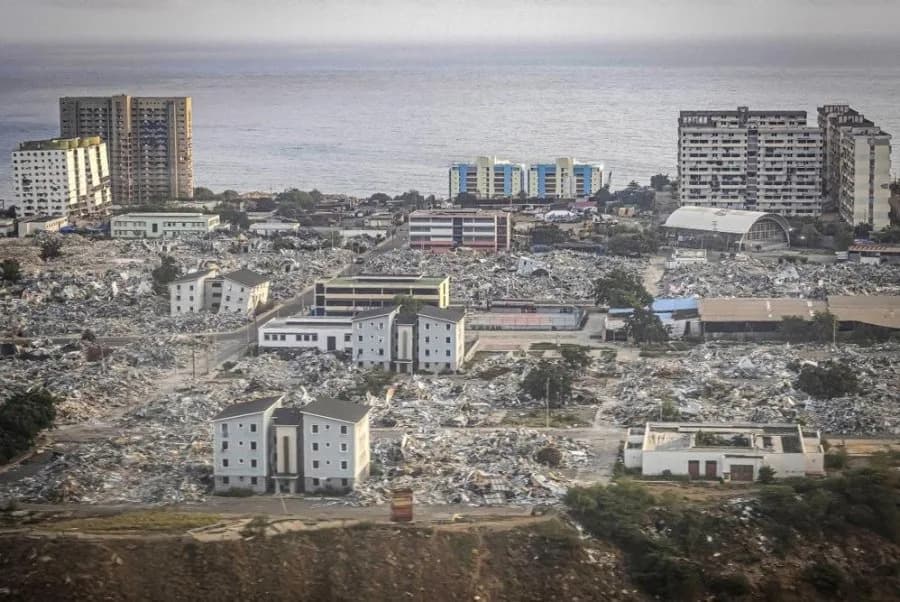
The recent earthquakes along Venezuela's northern coast have refocused attention on Misión Vivienda, the government's large public housing program, after many of the worst collapses occurred in complexes in La Guaira. Survivors and engineers say years of opaque building practices, withheld engineering studies and politically driven construction schedules may have worsened the disaster's toll. Independent engineering probes are now expected to determine whether failures were caused by seismic force, difficult local geology, construction defects, or a mix of those factors.
Quake and Construction Failures: Questions Over Venezuela’s Misión Vivienda After Deadly Collapses
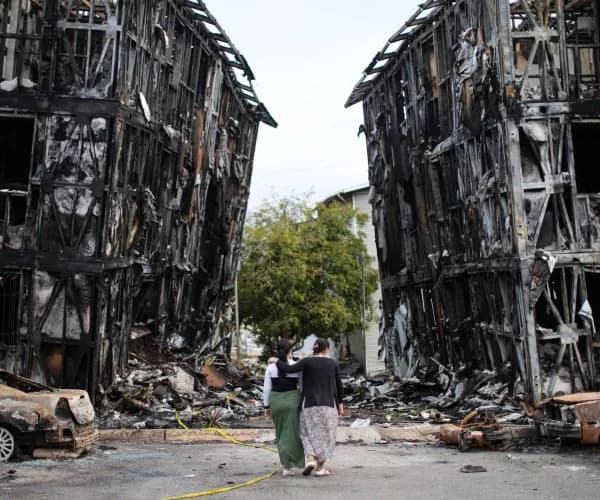
( Jesus Vargas/Getty Images)
The powerful earthquakes that struck Venezuela's northern coast last month have intensified scrutiny of the government's long-running public housing initiative, Misión Vivienda, with survivors, engineers and independent experts raising questions about whether construction flaws, withheld technical studies and political priorities worsened the human toll.
Eyewitnesses and Survivors
Residents and rescue volunteers searching through the rubble in La Guaira — the coastal state that serves as the gateway to Caracas — spoke not only of grief and loss but of anger directed at the quality of the buildings. Many of the most catastrophic collapses were reported in large government-built complexes, according to an investigation by The New York Times.
Juan Manuel Chirinos, who lost multiple family members beneath a collapsed apartment tower, told The New York Times that the victims "weren't killed by the disaster" but by poor construction and oversight.
Engineering Concerns and Warnings
Independent engineers and construction specialists say warnings about structural problems, visible cracks and unsafe installations were raised for years. Planning for many of these projects reportedly began around 2011, and critics contend that key documents such as engineering studies and soil analyses were largely kept from public scrutiny.
Enzo Betancourt, former president of Venezuela's College of Engineers, described the structural integrity of state-built housing as a "state secret," highlighting the lack of transparency around technical specifications and reviews.
Speed, Contractors and Political Pressure
Critics note that many projects were built during Venezuela's oil boom, when state coffers were comparatively full. Observers argue this context points less to lack of funds than to weak oversight, rushed procurement and political incentives to prioritize speed and visible results over rigorous engineering.
The New York Times named several foreign contractors involved in building parts of the complexes, including the Turkish firm Summa. Construction workers recalled extraordinarily fast build schedules; one worker said certain buildings were finished in days.
Technical Challenges and Expert Caution
Experts caution that the region's difficult geography — squeezed between mountains and the Caribbean Sea — creates complex soil and foundation conditions that require detailed geotechnical studies and earthquake-resistant construction methods. Some architects and local construction leaders say failures could stem from flawed soil analyses or foundation work rather than design alone.
Government Response and Rescue Operations
The Rodríguez administration has rejected claims that state housing was primarily responsible for the destruction. A government representative declined to answer detailed questions from The New York Times, and Acting President Delcy Rodríguez has said many collapsed buildings in La Guaira were not state-built. The report also describes catastrophic collapses in privately developed buildings, broadening concerns about regional construction standards.
Survivors and aid workers described rescue efforts as under-resourced and lacking a unified command structure, with volunteers, firefighters and families often improvising amid chaotic conditions.
What Comes Next
Independent engineering investigations are expected to assess whether the collapses were caused mainly by the earthquakes' intensity, local geological conditions, substandard construction practices, or a combination of those factors. For many families and critics, the disaster has already become a symbol of deeper issues related to transparency, accountability and the safety of infrastructure built under one of Venezuela's most ambitious public programs.
Reporting referenced: The New York Times; original publication © 2026 Newsmax.
Help us improve.