Israel's Central Elections Committee, led by Din Livne, is considering live-streaming the Knesset vote count and the secure vault holding ballots to increase transparency before the next national election. Livne says large-scale ballot tampering is "impossible" under current safeguards but warned that AI-driven disinformation — amplified since the public launch of ChatGPT — poses a new threat. The committee urges voters to rely on official channels, is pursuing rules to label or remove AI-generated election content, and reports a surge in petitions challenging generated propaganda.
Israel's Elections Panel Proposes Live-Streaming Vote Count to Bolster Trust Amid AI Misinformation Concerns
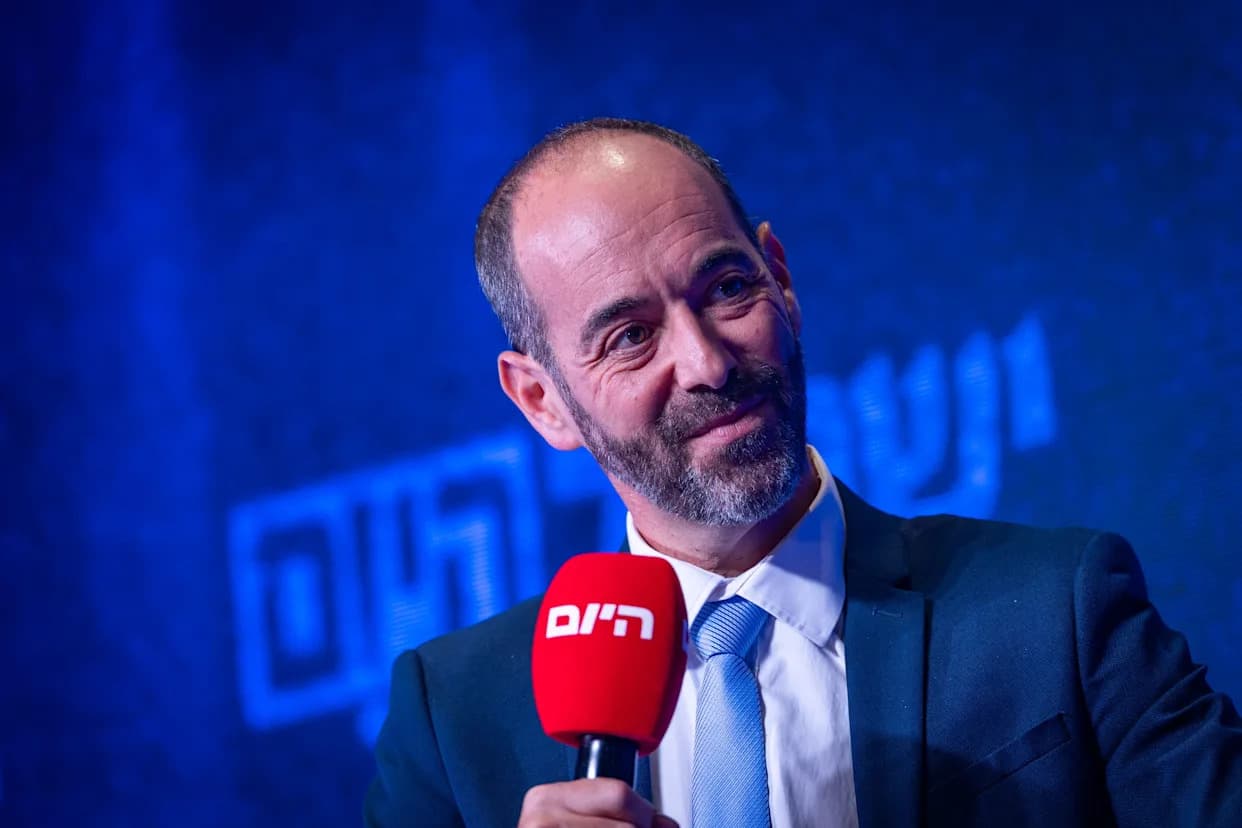
The acting director-general of the Central Elections Committee, Attorney Din Livne attends Israel Hayom conference in Jerusalem, July 5, 2026 (photo credit: YONATAN SINDEL/FLASH90)
Attorney Din Livne, head of Israel's Central Elections Committee, told attendees at the Israel Hayom conference that the committee is exploring live-streaming the vote-counting operation during the next national election to strengthen public confidence in the results.
Livne said the committee aims to deliver "the most transparent elections ever," while reiterating his view that large-scale ballot falsification in Israel is effectively "impossible" given current procedures and safeguards.
Live Feed Proposal
"We are considering broadcasting the vote-counting operation in the Knesset live on the internet," Livne said. The plan would also include a live feed of the secure storage vault where ballot envelopes are kept. According to Livne, there are between 600,000 and 700,000 double-envelope ballots; the committee would give the public a real-time window into how those envelopes are handled via its website.
Transparency to Counter Conspiracy Theories
Livne acknowledged that a live feed "might be quite boring," but argued that visible, procedural transparency could head off conspiracy theories before they take hold. He emphasized that while the ballots themselves cannot be tampered with, voters remain vulnerable to sophisticated disinformation campaigns that exploit modern technology.
Warnings About Disinformation and AI
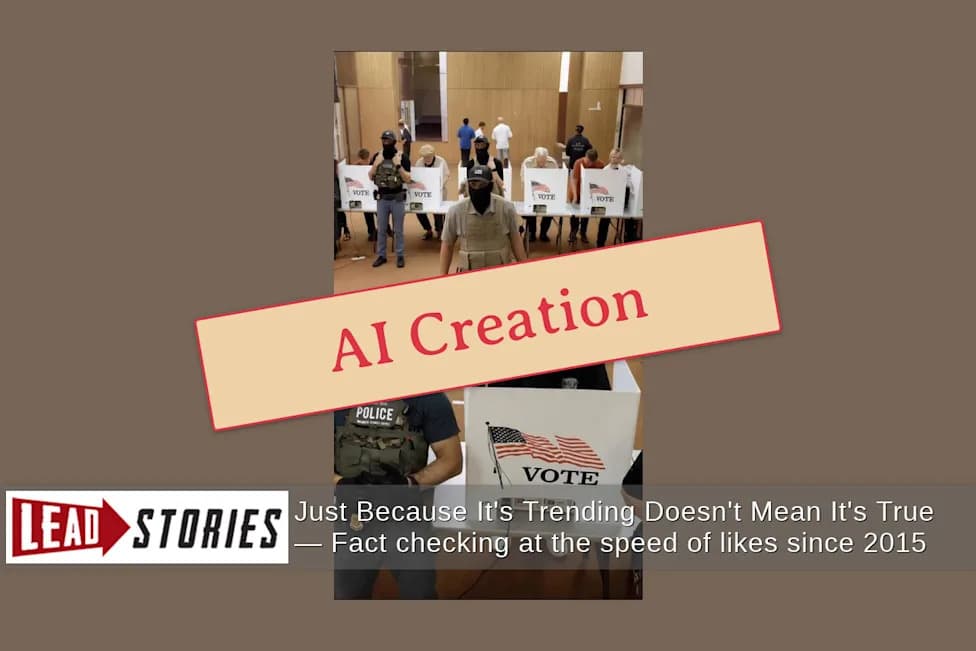
"Don't believe what you receive on WhatsApp," Livne warned, noting that advanced tools make it easier to fabricate convincing false accounts or media. He singled out generative artificial intelligence as an escalating threat: the public debut of ChatGPT shortly after Israel's last election shows how quickly new technologies can change the information environment.
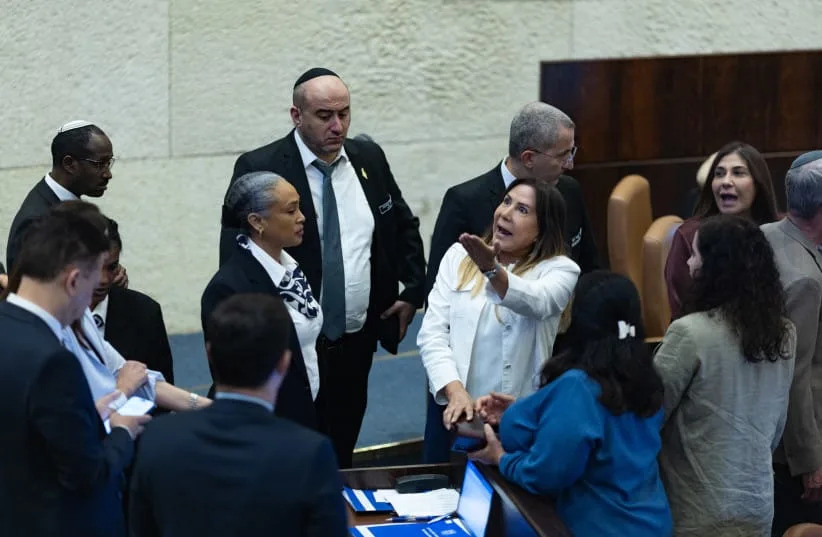
Likud Knesset Faction Secretary Aliza Barashi reacts during the State Comptroller elections at the plenum of the Knesset, in Jerusalem, June 3, 2026. (credit: OREN BEN HAKOON/FLASH90)
To address this risk, the Elections Committee is urging voters to rely only on official sources for polling-station information and candidate status. "If someone tells you a polling station has been closed, check our website — we will tell you the truth," Livne said.
Regulatory and Operational Measures
The committee is pursuing several initiatives, including proposed rules or legislation that would require AI-generated or AI-altered election content to be clearly labeled, and mechanisms to remove misleading content. Livne said the committee has already fielded a surge of petitions seeking removal of generated election propaganda — roughly 20 more petitions than in the previous Knesset election, even before the official 90-day campaign period.
Operational measures mentioned include a directive that polling-station staff will send any voter who publicly reveals how they voted back behind the curtain to cast a new ballot — a step Livne framed as protecting voter privacy. He also said "only the election integrity supervisor is allowed to photograph in the polling station area." It was not clear whether these practices reflect new formal rules or strengthened guidance to staff.
Security Coordination
Livne stressed that his concerns are not aimed at any domestic party or demographic but at hostile external actors. "The State of Israel is surrounded by enemies," he said, adding that foreign influence campaigns seek to weaken Israeli democracy. The committee said it is coordinating with security authorities and other bodies to guard against external interference and undermine attempts to erode public trust.
Concluding, Livne expressed confidence the committee can manage the increased caseload of petitions and misinformation incidents: "That doesn't concern me at all. Yes, there are more proceedings — but we'll deal with them one by one."
Help us improve.