
New analysis suggests Homo floresiensis — the small “hobbit” hominin from Flores — mostly scavenged meat from Komodo dragon kills rather than hunting large stegodonts or routinely using fire. Researchers compared Komodo dragon tooth marks from a Zoo Atlanta feeding observation with cut marks on Stegodon bones from Liang Bua and found strong similarities. An examination of ~4,500 rodent bones revealed no evidence of hearths or charring. The findings prompt a reassessment of H. floresiensis’ behavioral complexity and evolutionary relationships.
New Study: ‘Hobbit’ Hominins Likely Scavenged Komodo Dragon Kills, Not Hunting or Cooking
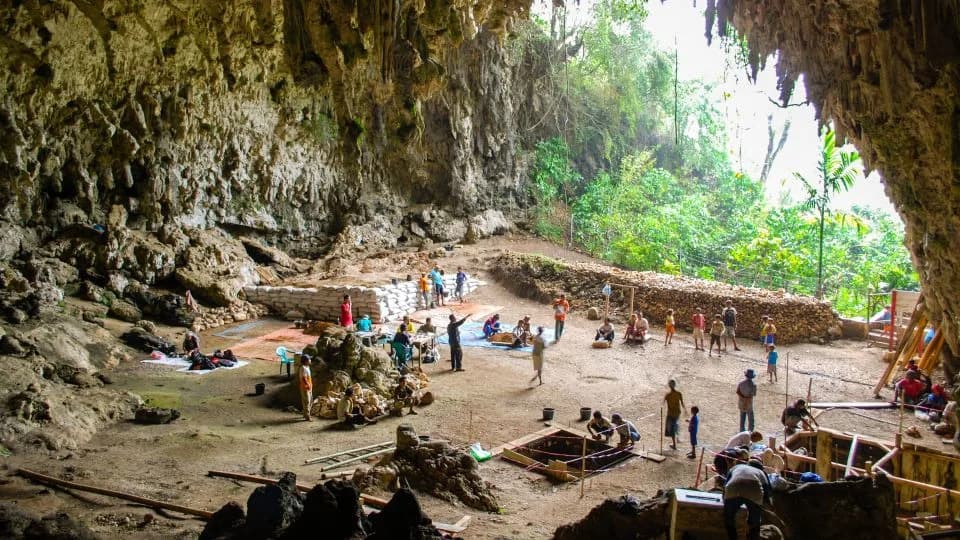
Archaeological excavations take place in the Liang Bua cave on the Indonesian island of Flores. - Liang Bua Team
New research suggests the small-statured hominin Homo floresiensis — widely nicknamed the “hobbit” — primarily survived by scavenging meat left by Komodo dragons rather than by actively hunting large prey or regularly using fire to cook food.
What the Study Examined
Fossils and stone tools from Liang Bua cave on Flores island, Indonesia, have long been interpreted as evidence that H. floresiensis hunted the island’s giant stegodonts (Stegodon florensis insularis) and used fire. Researchers led by Dr. Elizabeth Grace Veatch reanalyzed the bone damage patterns, compared them with experimental samples, and tested whether there is clear evidence of hearths or widespread burning in cave deposits.
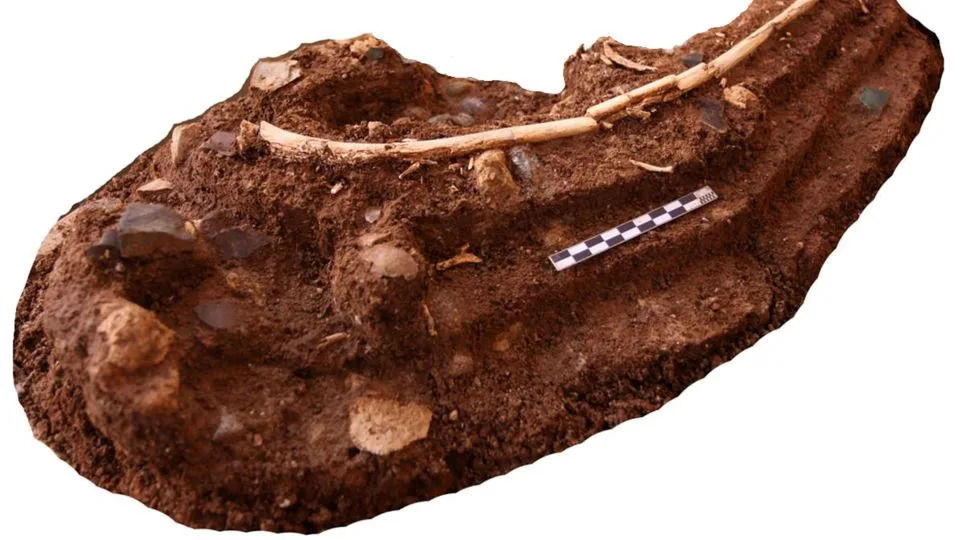
A block of cave sediment includes a Stegodon rib surrounded by stone artifacts and rat bones. - Liang Bua Team
Methods and Key Evidence
The team combined several approaches: 3D scans of butchery and feeding marks; a controlled feeding observation of a Komodo dragon (named Rinca) at Zoo Atlanta; and a survey of roughly 4,500 small rodent bones from the Liang Bua deposits to look for charring that would indicate regular hearth use.
Komodo Feeding Experiment
Scientists documented how Komodo dragons bite and tear meat, then analyzed the tooth marks on goat bones left by Rinca. The researchers compared those tooth marks with cut marks on Stegodon bones from Liang Bua and with marks made by stone tools.
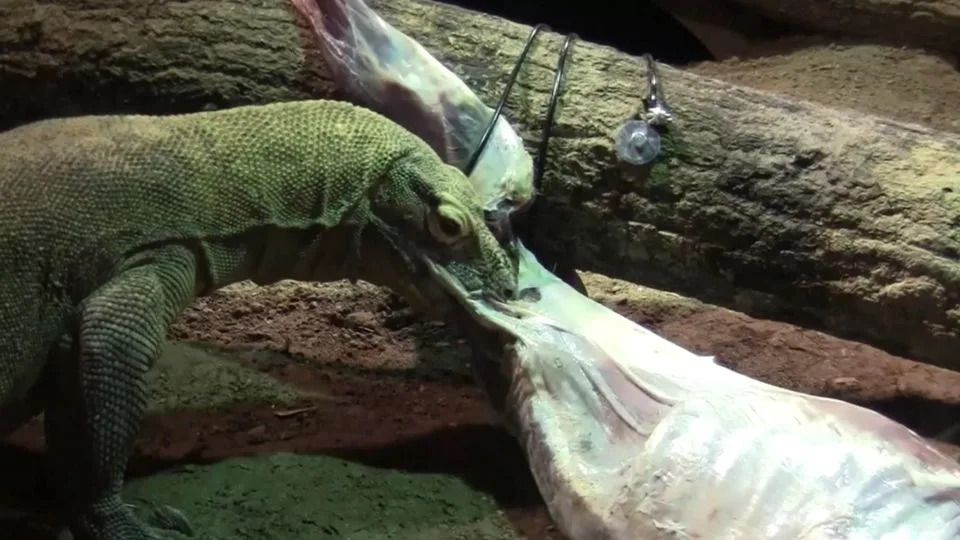
A Komodo dragon latches on to a goat carcass at Zoo Atlanta. - Courtesy Elizabeth Grace Veatch
They found that many of the marks on Stegodon bones closely matched Komodo dragon tooth marks and tended to appear on the meatiest parts of carcasses, while cut marks from stone tools were concentrated on lower-value portions. From this pattern the team infers a sequence in which Komodo dragons fed first and hominins later scavenged remains.
Fire Use and Hearths
To test for local fire use, the researchers examined the owl-accumulated rodent bones in the cave. If humans had built hearths inside Liang Bua, those underlying small bones should show charring. None of the ~4,500 rodent bones examined showed burning, and no Stegodon bones carried convincing char marks. The few burned bones found in much younger layers likely reflect Homo sapiens activity beginning around 46,000 years ago, after H. floresiensis and Stegodon had vanished.
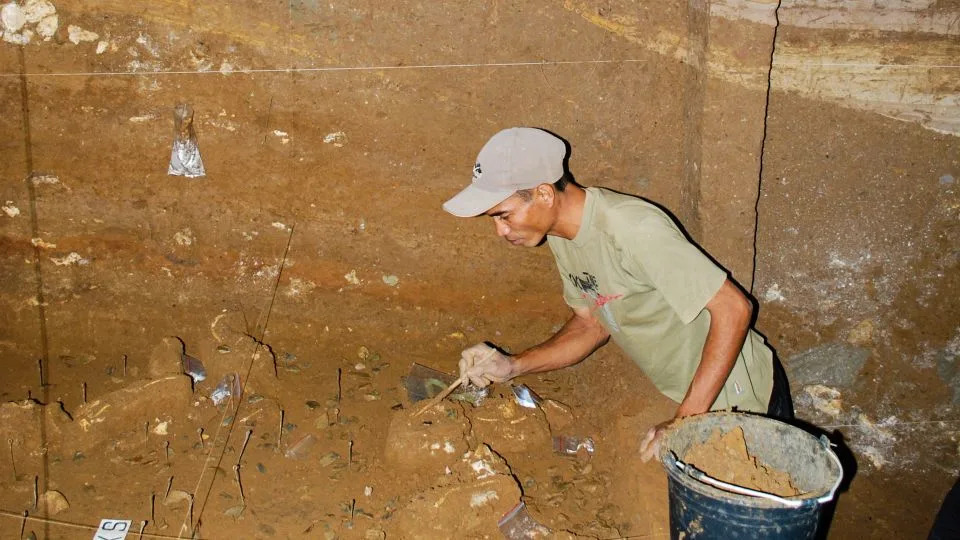
Excavation team member Benyamin Tarus works on Homo floresiensis deposits at the Liang Bua site. - Liang Bua Team
Implications
The evidence supports a model in which H. floresiensis subsisted on scavenged raw meat, plants and invertebrates, taking advantage of carcasses left by the island’s apex predator rather than regularly hunting large stegodonts or maintaining hearths. Komodo dragon venom was judged unlikely to pose a serious risk to scavengers because digestive enzymes would likely break down venom proteins.
These behavioral inferences alter how researchers view H. floresiensis’ place on the hominin family tree. A more limited behavioral repertoire could imply an ancestry that branched off earlier from the lineage leading to later, larger-brained Homo species — a view echoed by some experts who argue the species may descend from a more primitive hominin rather than being a dwarfed form of Homo erectus.
Next Steps
Veatch and colleagues plan to expand analyses to other animal remains to clarify the hobbits’ diet and ecological role on Flores. Continued multidisciplinary work at Liang Bua will help refine when and how different hominin species used the island and how those behaviors evolved.
Study details: Published in Science Advances. Lead author: Dr. Elizabeth Grace Veatch. Coauthors include Briana Pobiner and Thomas Sutikna. Timeframe for H. floresiensis occupation on Flores: roughly 190,000–50,000 years ago.
Help us improve.





















