The Mielke brothers — ages 13, 11 and 8 — challenged a Rogers City rule that would have required a $57 temporary health permit every two weeks to operate their lemonade stand, a cost that could total about $400 for a summer. With Rep. Cam Cavitt’s help, the family backed a bill that would exempt minors selling nonalcoholic drinks who earn under $5,000 from permitting. The Michigan House passed the measure unanimously and it now moves to the state Senate, spotlighting efforts to reduce barriers to youth entrepreneurship.
Three Michigan Brothers Turn a $57 Lemonade-Stand Fee Into a Change in State Law
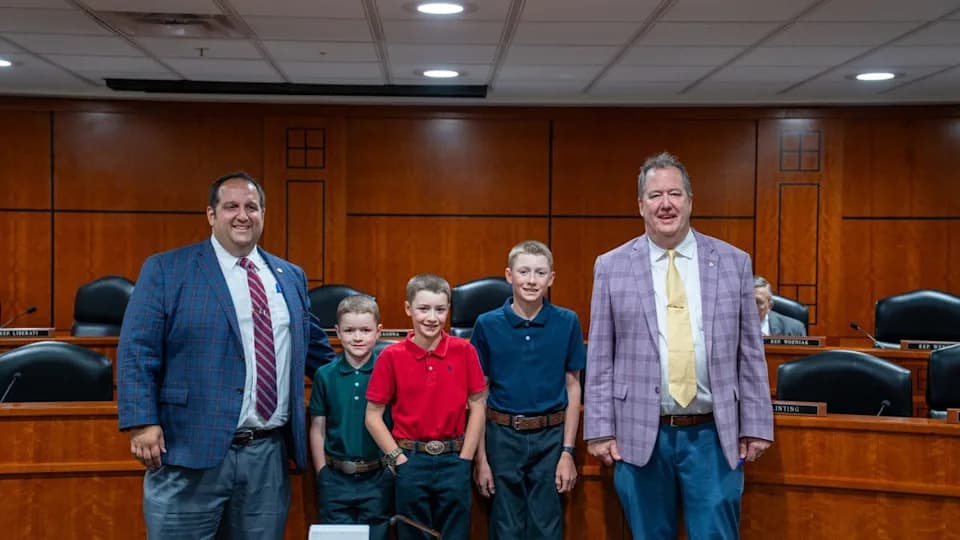
Three young brothers in Michigan are working with state Rep. Cam Cavitt to end permit requirements for minors running lemonade stands (Representative Cam Cavitt)
Three brothers from Rogers City, Michigan — Ethan (13), Seth (11) and Jonathan (8) Mielke — pushed back after being told a temporary health permit would cost $57 every two weeks to operate their lemonade stand at a local farmers market. That fee could have added up to about $400 over a typical summer season, forcing the family to consider shutting down their stand, “Triple M Goods.”
Rather than accept the decision, the boys and their mother, Jessica Mielke, contacted Republican state Representative Cam Cavitt. Together they helped craft and champion a bill to exempt minors who sell lemonade and other nonalcoholic beverages from permit requirements, provided they earn less than $5,000 per year.
From Complaint to Legislation
The bill sailed through the Michigan House of Representatives with a unanimous vote and has been sent to the state Senate for consideration. Supporters argue the change removes unnecessary red tape that discourages youth entrepreneurship, while critics may worry about local oversight and public-health implications.
“Children from our community initially brought this issue to my attention when their local health department demanded that they pay repeated fees to run their lemonade stand. We shouldn’t let red tape stand in the way of kids making an effort to work hard and learn about the values of entrepreneurship,”
— Rep. Cam Cavitt
Last month Cavitt and the Mielke family testified before Michigan’s House Regulatory Reform Committee. Ethan told lawmakers he had written letters and explained how the fees would affect their summer business, and that he hoped the bill would prevent other kids from facing the same barrier.
“They were pretty excited,” Jessica Mielke said after the vote, describing how the experience taught her sons how the lawmaking process works when someone brings an issue to their representative. Cavitt said he wants Michigan to have one of the country’s most permissive lemonade-stand laws and offered to work with other policymakers who want to remove similar restrictions nationwide.
Why It Matters
Beyond the immediate relief for one family, the case highlights a broader debate over how to balance public-health rules with encouraging small-scale youth entrepreneurship. The proposed exemption is limited by the earnings cap and applies only to minors selling nonalcoholic beverages, aiming to preserve basic protections while easing burdens on children and families.
Help us improve.