Alan Rusbridger personally solicited Max Mosley to support Lady Margaret Hall’s foundation-year scheme for under-represented students, proposing sums from £80,000 to more than £2m and even offering naming rights. The Alexander Mosley Charitable Trust later provided multiple gifts, including £260,000 to LMH and a £6m professorship pledge. Critics condemned the university for accepting funds tied to the Mosley fascist legacy, while Rusbridger and Oxford say the donations were vetted and enabled access for disadvantaged students.
Rusbridger Solicited Max Mosley To Fund Oxford Places, Prompting Debate Over 'Tainted' Donations

Former Guardian editor Alan Rusbridger tried to woo Mosley to contribute funds to a college endowment scheme, emails reveal - PA
Alan Rusbridger, the former editor of The Guardian and later principal of Lady Margaret Hall (LMH), personally approached Max Mosley to solicit significant donations to fund foundation-year places for students from under-represented and low-income backgrounds at Oxford.
How The Approach Unfolded
Emails disclosed to the press after freedom of information requests show Rusbridger courting Mosley as part of a wider Oxford fundraising effort. In a July 2019 message following a dinner, Rusbridger wrote that "£80k would complete the financing we need" and suggested that "something over £2m would endow the scheme in perpetuity for LMH." He also proposed naming the programme after Mosley’s late son, Alexander.

Max Mosley was a controversial figure. He died in 2021 aged 81 - Carl Court/AFP via Getty
Gifts From The Alexander Mosley Charitable Trust
The Alexander Mosley Charitable Trust (AMCT) — funded largely from the Mosley family inheritance — subsequently provided a series of donations to Oxford colleges. LMH accepted £260,000 from the trust to support disadvantaged students spending a foundation year at the college. Separately, Max Mosley signed a deed of gift in August 2019 pledging £6m to endow the Alexander Mosley Professorship of Biophysics.
Earlier AMCT gifts included multi-year support to St Peter’s College (reported as £100,000 a year over three years), a 2016 donation of £1,102,250 to endow the Alexander Mosley Fellowship in Engineering, and a later £5m contribution intended to finance student accommodation originally to be called Alexander Mosley House. Shortly before his death in May 2021, Mosley was told his name would appear on the Clarendon Arch among university benefactors.
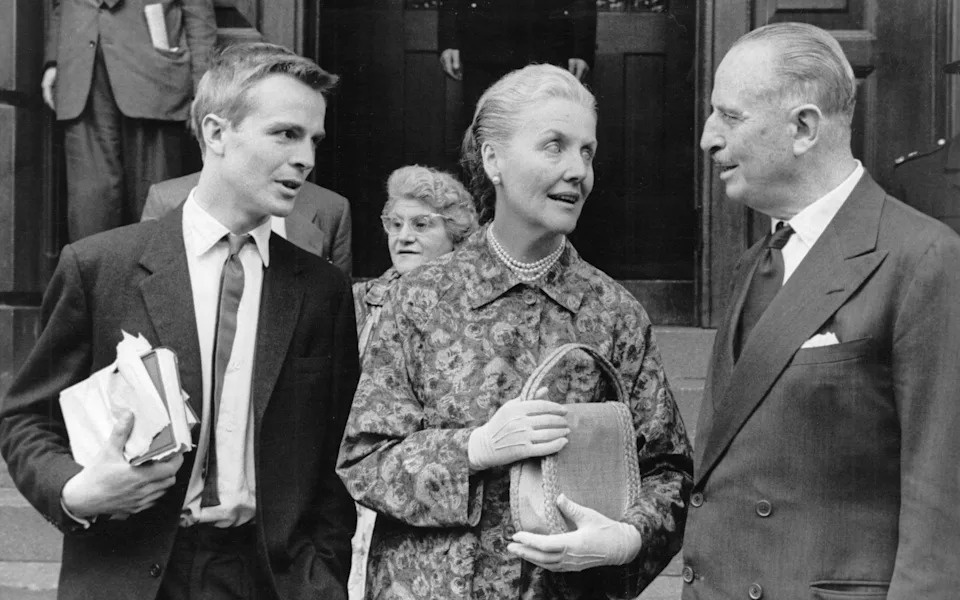
Max Mosley with his mother Diana and father Oswald in 1962 - Keystone-France/Gamma-Keystone via Getty
Controversy And Reactions
The donations prompted strong objections from some students, Jewish groups and academics who argued Oxford should not accept money linked to the Mosley family’s fascist legacy. Professor Lawrence Goldman, an emeritus fellow in history and former vice-master of St Peter’s College, called for colleagues to reject the funds, describing the Mosley dynasty as "one of the most infamous fascist dynasties in the English-speaking world." He pointed to family history, including relatives murdered in the Holocaust and family members who fought the Nazis.
Rusbridger’s Defense And University Oversight
Rusbridger defended the decision. He said AMCT funding helped establish the LMH Foundation Year, enabling disadvantaged students — many from minority backgrounds — to spend a year at Oxford and, in most cases, progress to undergraduate degrees. He maintained LMH followed university procedures for donor vetting and said AMCT was cleared by Oxford’s Committee to Review Donations and Research Funding (CRDRF), which includes external members and an external chair.
An Oxford University spokesman confirmed that donations from the AMCT were considered and approved by the CRDRF and said the university’s process takes legal, ethical and reputational issues into account.
What This Means
The episode highlights a difficult ethical trade-off faced by universities worldwide: whether to accept philanthropic gifts that can fund access and opportunity for under-represented students while risking reputational damage because of donors’ or donors’ families’ controversial histories. Supporters point to the demonstrable benefits for students; critics argue the source of funds matters.
Key Fact: LMH says AMCT-funded Foundation Year students had high progression rates to undergraduate degrees, and the scheme has since been expanded across Oxford and Cambridge.
Help us improve.