Sen. Chris Van Hollen has endorsed progressive Abdul El‑Sayed in Michigan’s Democratic Senate primary, breaking with party leadership as early voting begins. Van Hollen praised El‑Sayed as the strongest candidate to win in November and highlighted his focus on affordability and grassroots organizing. The endorsement intensifies a primary contest in which Chuck Schumer has backed Haley Stevens and Mallory McMorrow has drawn support from senators including Elizabeth Warren and Chris Murphy. Control of the seat — opened by Sen. Gary Peters’ retirement — is viewed as critical to Democrats’ 2026 Senate majority hopes.
Sen. Chris Van Hollen Endorses Abdul El‑Sayed, Breaking With Democratic Leadership in Pivotal Michigan Senate Primary
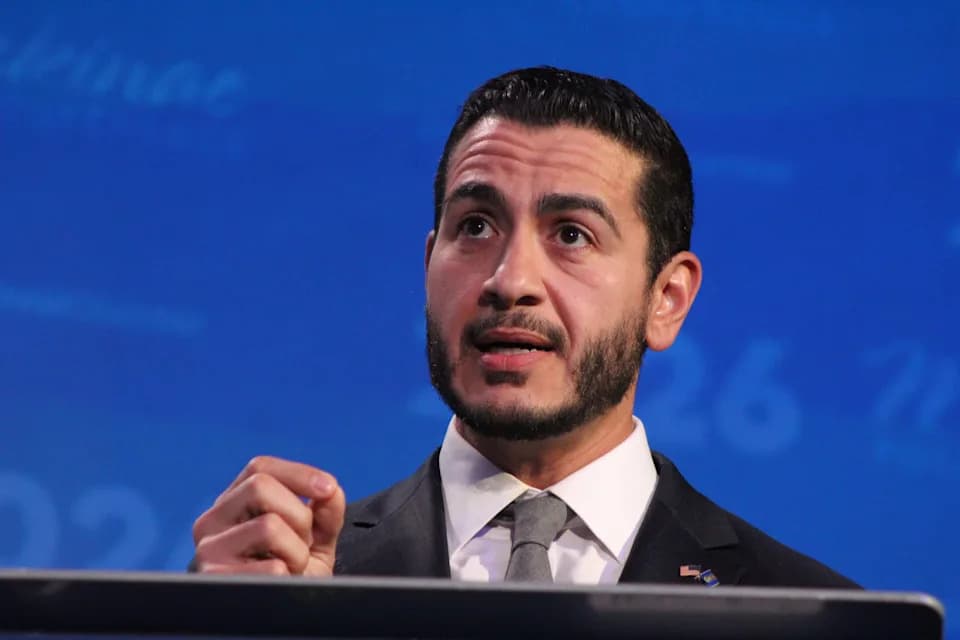
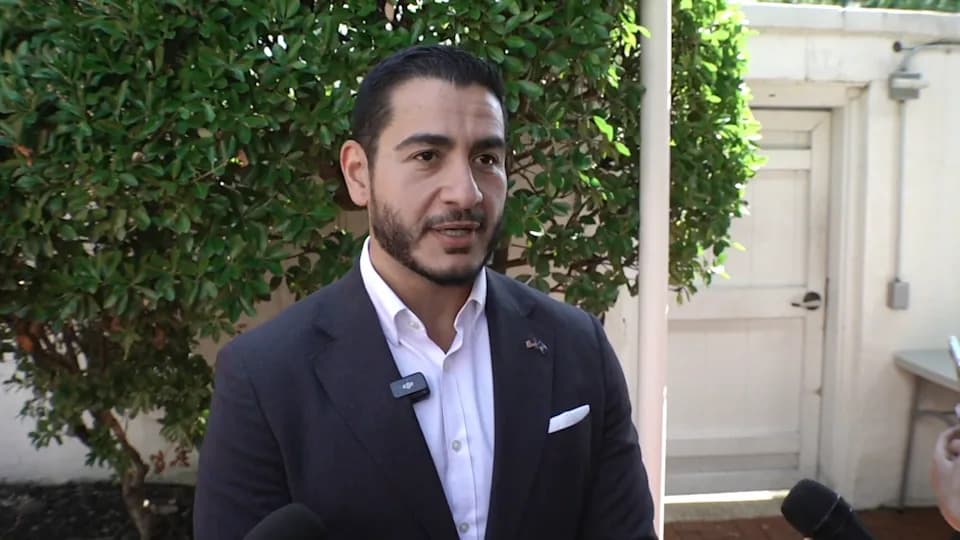
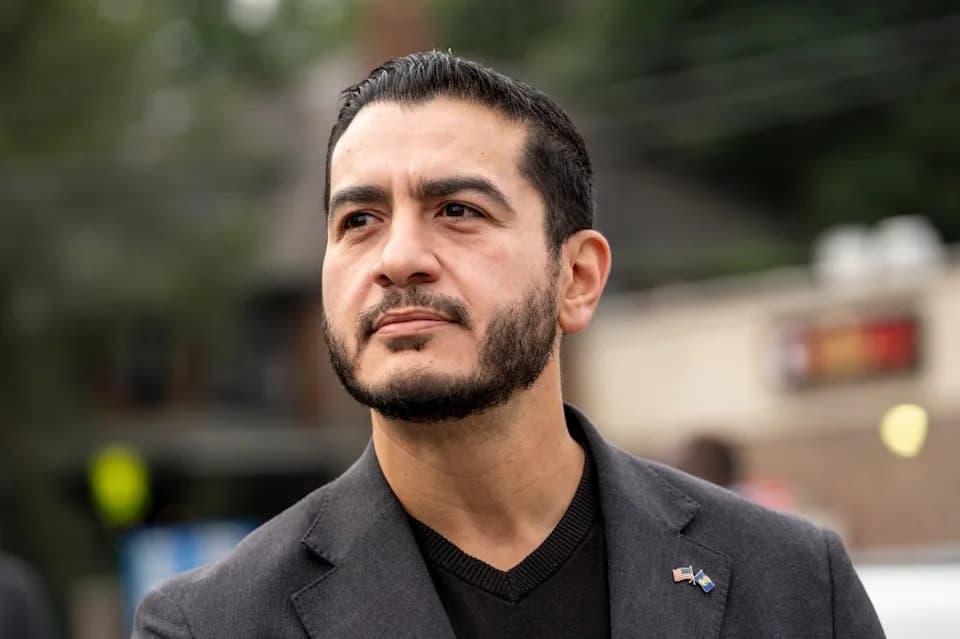
Former public health official Abdul El-Sayed speaks during a debate between the Michigan Democratic candidates running for U.S. Senate on Thursday, May 28, 2026 on Mackinac Island, Mich. (Danielle James/The Flint Journal via AP)(Danielle James/The Flint Journal via AP)
WASHINGTON — Maryland Sen. Chris Van Hollen has endorsed progressive Abdul El‑Sayed in Michigan’s Democratic Senate primary, marking a notable break with party leadership as early voting begins in the battleground state.
Van Hollen told The Associated Press that he believes El‑Sayed is “the strongest” Democratic nominee to defeat the Republican nominee in November and praised his willingness to challenge entrenched economic and political power. The endorsement makes Van Hollen the first sitting senator to publicly back El‑Sayed since Sen. Bernie Sanders supported him after he launched his campaign.
A Testy Primary Reflecting Broader Party Tensions
The Michigan contest has become a flashpoint for a broader debate within the Democratic Party over strategy and ideology. Senate Democratic Leader Chuck Schumer has publicly endorsed U.S. Rep. Haley Stevens, a four‑term congresswoman from suburban Detroit viewed as the more moderate option. Stevens has also benefited from heavy outside spending, including nearly $8 million this month from United Democracy Project, a super PAC aligned with the American Israel Public Affairs Committee.
State Sen. Mallory McMorrow has carved out a third lane as an anti‑establishment, reform‑focused candidate and has earned endorsements from other prominent senators, including Chris Murphy and Elizabeth Warren, along with significant outside support.
Why Van Hollen Backed El‑Sayed
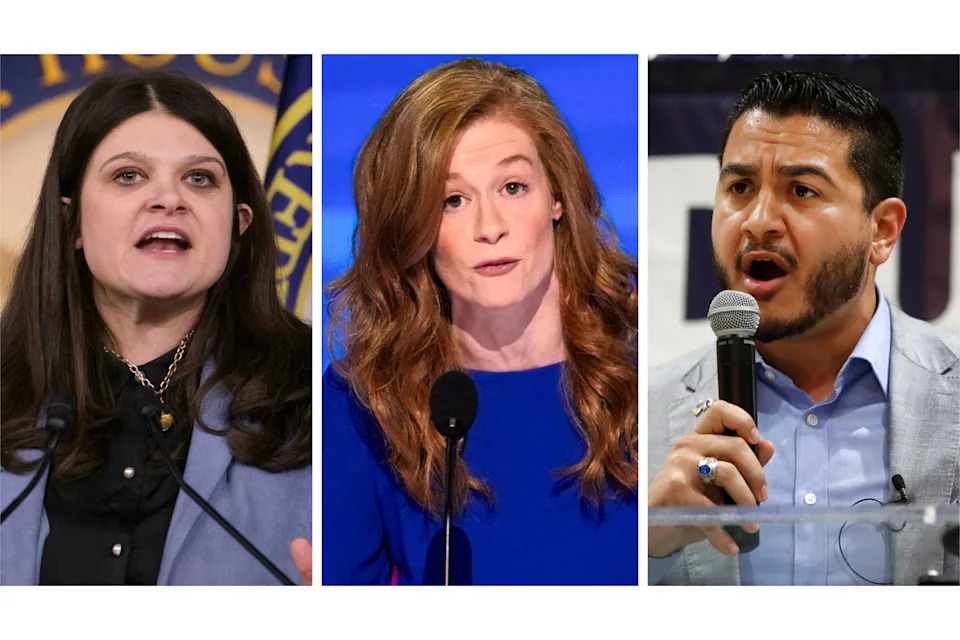
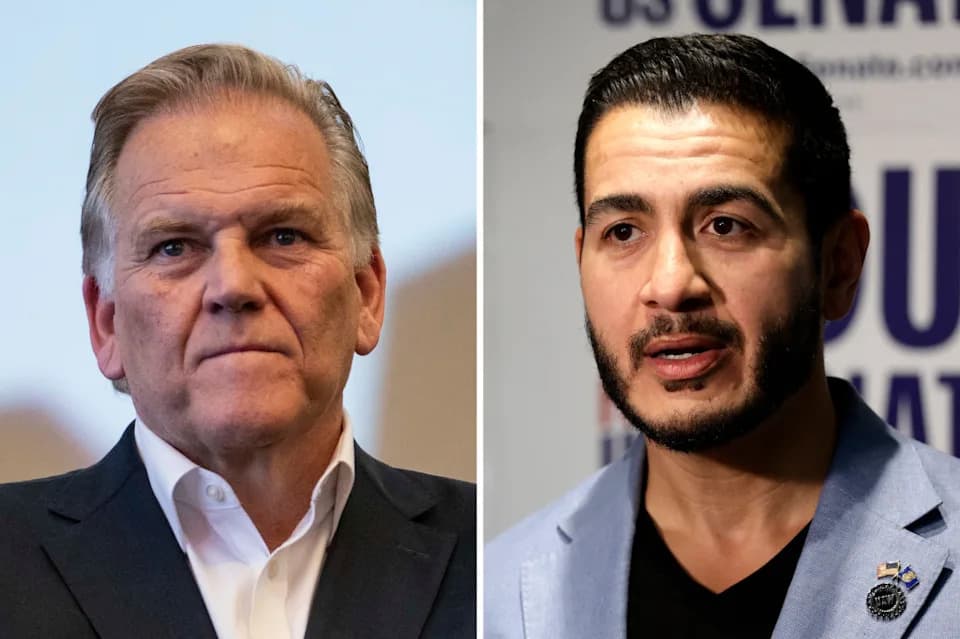
This combination of photos shows Rep. Haley Stevens, D-Mich., Feb. 6, 2025, in Washington, left, Michigan state Sen. Mallory McMorrow, D-Royal Oak, Aug. 19, 2024, in Chicago, center, and Abdul El-Sayed in Detroit on July 28, 2018. (AP Photo/Rod Lamkey, Jr., J. Scott Applewhite, Paul Sancya)(AP Photo/Rod Lamkey, Jr./ J. Scott Applewhite/Paul Sancya)
Van Hollen said he backed El‑Sayed because of his emphasis on affordability, his commitment to build grassroots momentum, and his readiness to confront what Van Hollen described as a political system too influenced by wealthy donors and special interests. “This is not about left versus right,” Van Hollen said. “This is about very concentrated economic and political power at the top, and everybody else. And he’s fighting for everybody else.”
“When I say the status quo, I mean not just the lawless Trump administration, but [also] the Democratic establishment that has not fought hard enough for working people,” Van Hollen told the AP.
El‑Sayed, a former Wayne County health director, has staked out bold progressive positions on issues such as Medicare for All and a pause in U.S. weapons transfers to Israel. He has attracted backing from labor — the United Auto Workers recently endorsed him, praising his commitment to a working‑class agenda — and from prominent progressives; Sen. Bernie Sanders previously endorsed him. El‑Sayed has also campaigned alongside controversial online streamer Hasan Piker, a move that has drawn scrutiny given Piker’s past inflammatory remarks.
El‑Sayed called Van Hollen’s endorsement “the culmination of an ongoing conversation,” describing the senator as a mentor. He said recent progressive wins in New York reflect the same voter frustrations he hears across Michigan and urged Washington leaders, including Schumer, to pay attention.
What’s at Stake
The seat is open following the retirement of Democratic Sen. Gary Peters, and former Rep. Mike Rogers currently faces an unopposed path to the Republican nomination. Democrats consider Michigan a must‑hold state if they hope to regain the Senate majority in 2026, adding urgency and national attention to the primary.
Van Hollen emphasized that his endorsement is not a personal rebuke of individual leaders but a strategic choice about which candidate he believes can best connect with voters and win in November. He has not called for any changes in Senate leadership and said he has not sought a leadership post himself.
The endorsement highlights ongoing friction between party leaders and the left flank over how aggressively to confront former President Donald Trump and which types of candidates are most electable in competitive states — tensions that have surfaced in other primaries across the country.
Help us improve.