A 10-day volunteer cleanup of Alders Brook, organised by environmental lawyer Paul Powlesland and the River Roding Trust, has prompted a formal Environment Agency investigation into possible permitting and waste offences. Volunteers removed about 200 bags of rubbish, but the EA says the work may have breached Environmental Permitting rules if it involved dredging that increased flood risk. Powlesland faces a possible maximum sentence of two years and accuses the EA of focusing on volunteers rather than larger polluters. The EA says volunteer efforts need expert guidance to avoid unintended harm.
Volunteer Who Led Alders Brook Cleanup Is Now Under Criminal Investigation Over Permitting Concerns
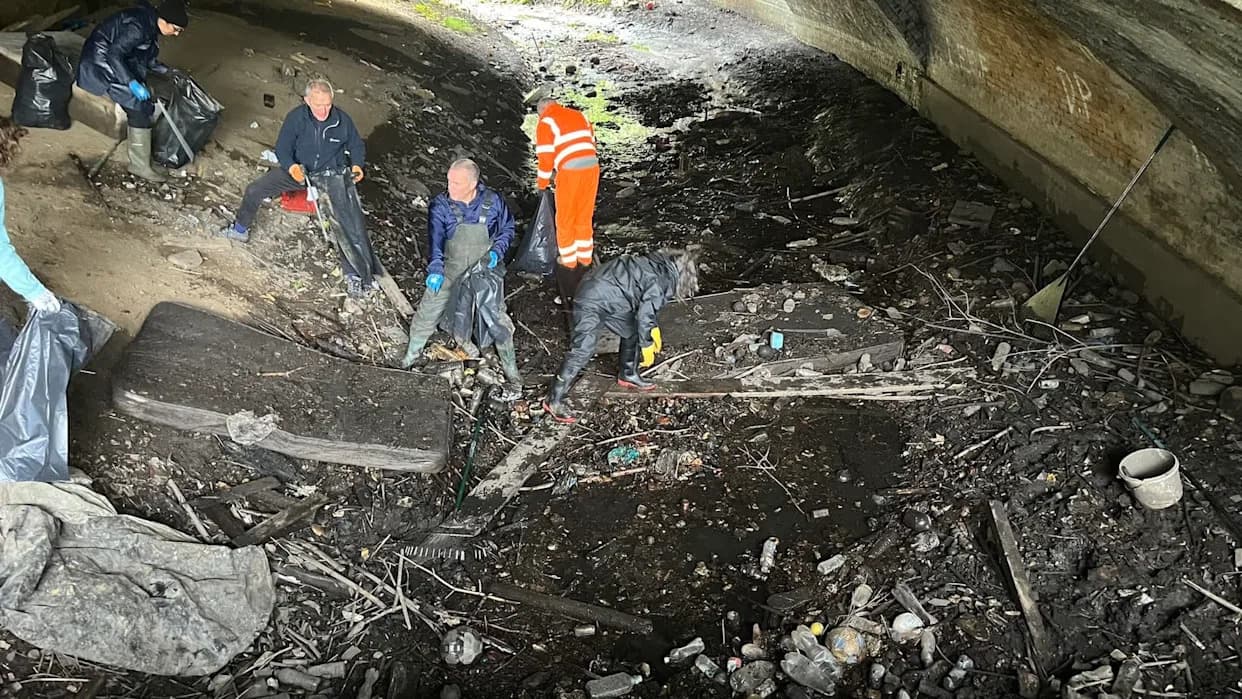
Photo Credit: X
A volunteer-led effort to clear one of London's polluted waterways has resulted not in thanks but in a formal criminal investigation. Paul Powlesland, an environmental lawyer who organised the 10-day cleanup through the River Roding Trust, was notified by the U.K. Environment Agency (EA) that he is under investigation for possible permitting and waste offences.
What Happened
Volunteers removed roughly 200 bags of rubbish and organic debris from Alders Brook on the northeastern outskirts of London. After the operation the EA sent a notice saying the works may have contravened the Environmental Permitting (England and Wales) Regulations 2016. The agency's central concern is whether the clearance involved dredging or other disturbance substantial enough to increase flood risk.
Responses From Both Sides
Powlesland says he turned to direct action after years of trying to get authorities to tackle widespread pollution on the River Roding. He told The Guardian the cleaned section is "coming back beautifully" and that wildlife is returning, while critics accuse the EA of targeting community volunteers rather than larger polluters.
"After decades of ignoring rampant environmental crime on the Roding, the Environment Agency has finally decided to act," Powlesland said. "But it's not action against Thames Water for dumping billions of litres of sewage in the Roding, or the waste criminals who have dumped thousands of tonnes of rubbish on its banks."
MyLondon reported that the alleged offences carry a maximum custodial sentence of two years. The EA, however, defended its position in a statement to The Guardian, saying it supports local efforts to improve the river but that such work needs governance and expert advice to avoid unintended harm.
"We deeply care about protecting the River Roding and will work with any partners who want to help improve the local environment," the EA said. "However, governance and expert advice is necessary to make sure that work does not cause unintended harm."
Context And Implications
This dispute highlights a wider tension: community groups are often encouraged to protect local nature, yet well-intentioned interventions can run afoul of environmental permitting rules designed to reduce flood risk and protect habitats. The case raises questions about how regulators should balance enforcement, guidance and support for volunteer-led conservation.
The investigation is ongoing. Supporters of the clean-up say the restored habitat and returning wildlife show positive outcomes; regulators say their priority is preventing any activity that could unintentionally worsen flooding or damage ecosystems.
Help us improve.