
The UN Human Rights Office reports that sexual violence in Sudan is being used increasingly as a deliberate "weapon of war," verifying 546 incidents and identifying 838 victims since 2023. Most cases are attributed to RSF fighters and allied militias, though some involve the army. International concern is growing over el-Obeid — home to roughly 200,000 displaced people — which faces drone strikes and the threat of a major RSF assault. Humanitarian agencies warn of deepening displacement and hunger and call for urgent protection and accountability.
UN: Sexual Violence Deployed as a 'Weapon of War' in Sudan — 546 Incidents, 838 Victims Verified
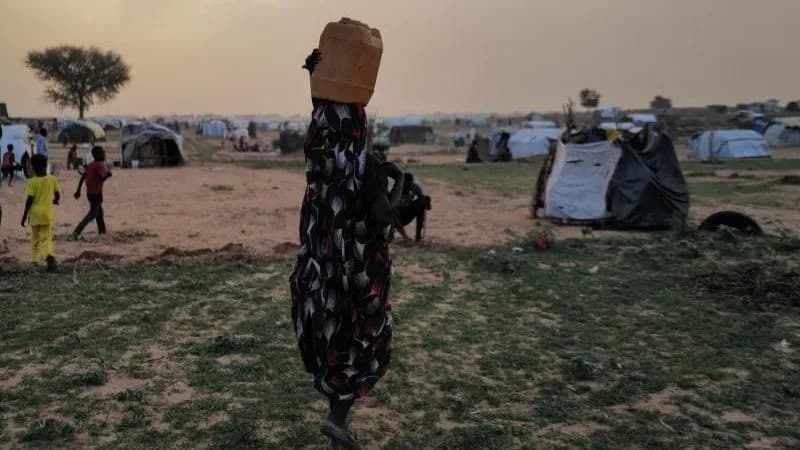
The conflict in Sudan has forced millions of people to flee their homes [Reuters]
The United Nations says sexual violence in Sudan is increasingly being used deliberately as a "weapon of war" to terrorise civilians. A new UN Human Rights Office report describes the pattern as unprecedented in scale, prevalence and brutality since the conflict erupted in 2023.
Verified Cases and Victims
The UN report verified 546 incidents of conflict-related sexual violence affecting at least 838 victims: 539 women, 284 girls, eight men and seven boys. Officials warn these figures are likely "only the tip of the iceberg" because of widespread under-reporting and barriers to documentation.
Perpetrators and Accountability
Most verified incidents were attributed to fighters from the paramilitary Rapid Support Forces (RSF) and allied militias, although the Sudanese army and forces aligned with it were also accused in some cases. UN human rights chief Volker Türk emphasised the gravity of the abuses:
[BBC]
"Sexual violence is being used as a weapon of war. This is a war crime and, if committed as part of a widespread or systematic attack, a crime against humanity."
Both the RSF and the army have denied such allegations in the past and had not responded to the latest report at the time of publication.
El-Obeid: Front Line and Humanitarian Alarm
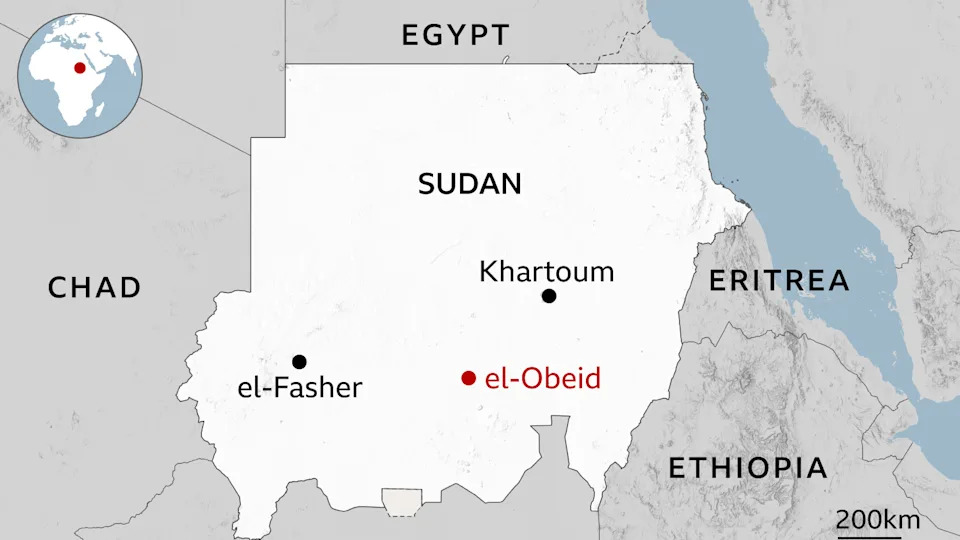
International attention has focused on el-Obeid, which has become a major front line. Around 200,000 displaced people are sheltering there, and reports indicate the RSF has used drones to strike parts of the city amid signs of a possible large ground assault. The UK, France, Germany, Ireland, Italy, the Netherlands and Norway issued a joint warning that el-Obeid is on the "precipice of atrocity" and called for urgent international action.
Humanitarian Impact
Since the fighting began, more than 11 million people have been displaced and roughly 28 million face acute hunger, according to aid agencies. The report cites grave attacks on civilian infrastructure, disruption of aid, and severe shortages of food, water and medical care across conflict zones.

[BBC]
Context And Concerns
El-Obeid is strategically important, situated in the oil-rich Kordofan region between RSF-controlled western areas and army-held territory to the east. Analysts warn that control of Kordofan affects Sudan's oil output and broader strategic balance. The joint European statement compared the threat to the 2023 capture of el-Fasher, where a UN report said more than 6,000 people were killed in three days and crimes were assessed to bear the "hallmarks of genocide."
Calls For Protection And Justice
Humanitarian groups, UN officials and affected communities are pressing for urgent measures to protect civilians, ensure safe humanitarian access and document abuses for possible prosecutions. Survivors and displaced people continue to describe extreme fear, food and water shortages, and the psychological toll of living under threat of assault and drone strikes.
What Comes Next: Investigators and human rights monitors are urging expanded access to document abuses, increased protection for civilians in frontline cities such as el-Obeid, and stronger international pressure for accountability to prevent further mass atrocities.
Help us improve.





















