
U.S. and Iranian delegations met face‑to‑face in Switzerland to begin a 60‑day technical process under a 14‑point MOU that aims to halt hostilities and address Iran's nuclear program. An emergency session on Israel‑Hezbollah fighting in Lebanon was added after renewed strikes threatened the ceasefire, and Iran said it would close the Strait of Hormuz while CENTCOM reported continued commercial transit. The IAEA will lead verification work, but threats from leaders and ongoing clashes make the agreement fragile.
U.S. and Iran Hold Rare Face‑to‑Face Talks in Switzerland as Lebanon Violence and Strait of Hormuz Tensions Threaten Ceasefire
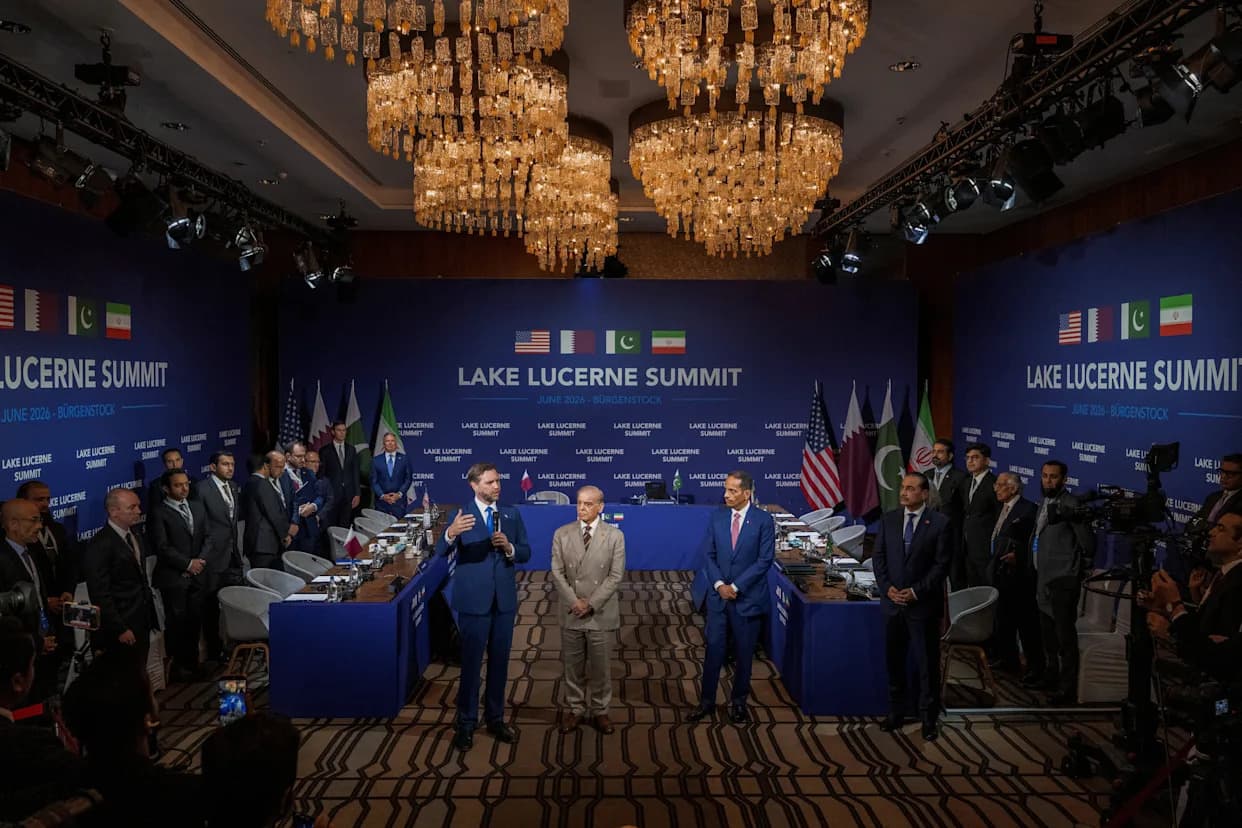
U.S., Iranian negotiators meet; Trump threatens Iran over Hezbollah
U.S. and Iranian negotiators met in person Sunday at the Bürgenstock resort on Lake Lucerne, a rare direct encounter that opened a 60‑day window of technical talks to implement a 14‑point memorandum of understanding (MOU) covering a ceasefire and the future of Iran's nuclear program. Mediators from Qatar and Pakistan attended, and the International Atomic Energy Agency (IAEA) is expected to lead verification work on nuclear inspections and downblending.
Swiss Talks And Immediate Priorities
The sessions in Switzerland focused first on deconfliction and enforcing a ceasefire in southern Lebanon after renewed exchanges between Israel and the Iran‑backed Hezbollah militia threatened to undermine the MOU. Senior U.S. envoys—including Vice President JD Vance and special envoys—shared meeting space with Iranian officials such as Foreign Minister Abbas Araghchi and Parliament Speaker Mohammad Bagher Ghalibaf, though interactions were tightly managed and largely technical.
Lebanon Fighting Tests The Deal
Diplomats added an emergency agenda item on the Israel‑Hezbollah fighting after strikes overnight killed scores in Lebanon according to various reports. Casualty figures differ across sources; officials warned that continued skirmishes risk derailing the broader U.S.‑Iran agreement unless deconfliction measures are enforced quickly.
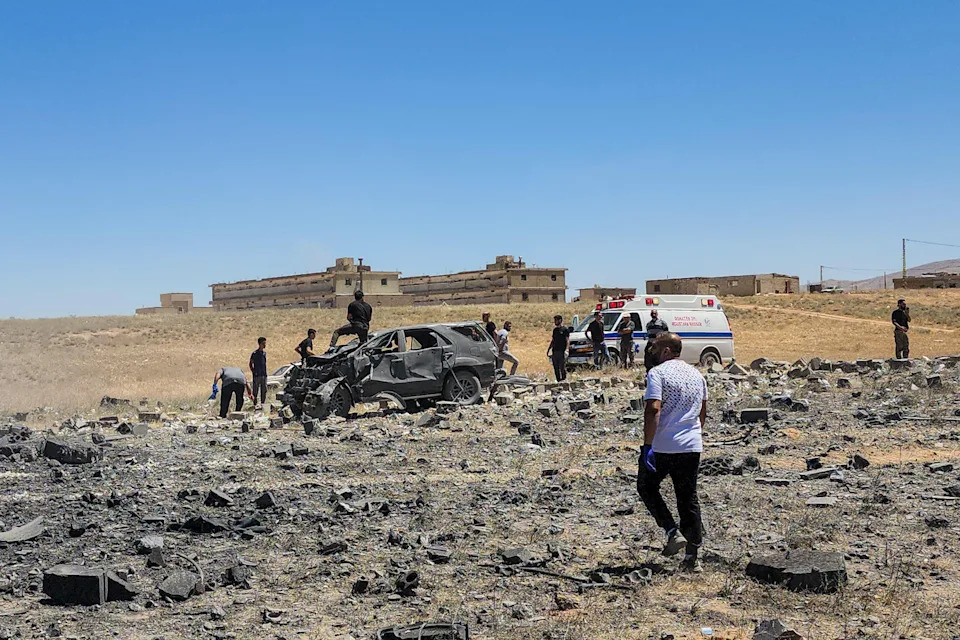
Officials conduct search and rescue operations following Israeli attacks on a farm in the village of al-Jemaliyya, near the city of Baalbek, Lebanon, June 19, 2026. / Credit: Suleiman Amhaz/Anadolu/Getty
Strait Of Hormuz And Market Impact
Tehran announced it would close the Strait of Hormuz citing alleged violations of the MOU, while U.S. Central Command (CENTCOM) said commercial traffic continued under U.S. monitoring. The announcement briefly pushed oil prices higher: U.S. crude futures rose to about $78.70 per barrel and Brent to roughly $81.70.
Political Rhetoric And Security Warnings
President Trump issued public warnings that Iran must stop Hezbollah activity immediately or face renewed strikes; Iranian negotiators responded with stern cautions about provocative remarks. German Defense Minister Boris Pistorius blamed U.S. policy for pushing the strait crisis and urged reopening through diplomacy with Iran and Oman. Inside Washington, officials stressed a pragmatic, verification‑first approach while some policymakers expressed skepticism about Tehran's long‑term compliance.
Verification Role And Nuclear Talks
The MOU tasks the IAEA with inspections and oversight of any downblending of enriched uranium. Iranian leaders reaffirmed their right to enrich uranium, setting up a central and difficult line of negotiation: the U.S. seeks verifiable limits and monitoring, while Tehran insists on maintaining aspects of its enrichment program.
What Comes Next
Mediators from Pakistan and Qatar will continue shuttling between delegations as technical teams refine verification, security guarantees, and implementation steps. The next 60 days are intended to convert broad MOU commitments into enforceable measures, but continued violence in Lebanon, public threats from leaders, and mutual distrust mean the process remains fragile.
Note: Multiple casualty and transit figures reported by different sources are included in this report; officials continue to update numbers as events develop.
Help us improve.





















