
Iran warned the U.S. to "be careful" after President Trump threatened strikes over Tehran’s backing for Hezbollah, while U.S. and Iranian delegations met in Switzerland to begin a 60-day process aimed at resolving long-standing disputes. The 80-minute first session focused on implementing a memorandum of understanding and did not address Iran’s nuclear programme, officials said. Ongoing fighting in Lebanon and Tehran’s temporary closure of the Strait of Hormuz complicated talks, and key issues such as regional proxy support, asset unfreezing and oil licences remain unresolved.
Iran Tells U.S. "Be Careful" After Trump Threat — Switzerland Talks Strained by Lebanon Fighting
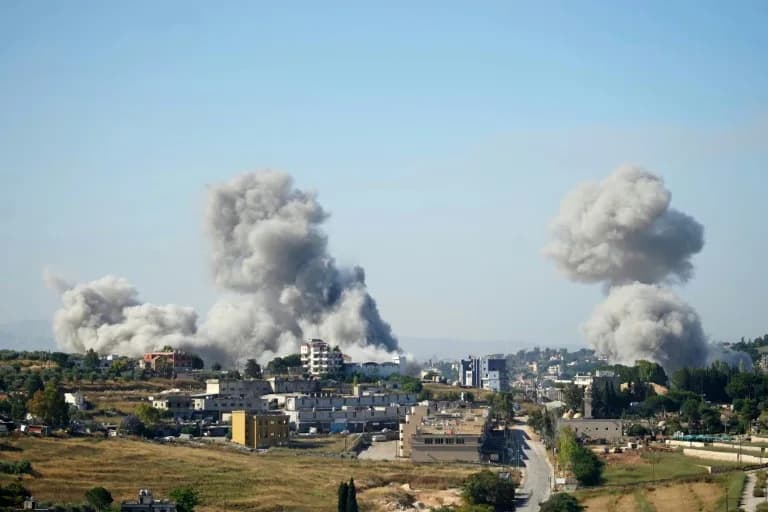
Smoke rises over the Lebanese city of Nabatieh after Israeli strikes carried out despite the announcement of a renewed ceasefire (Abbas FAKIH)(Abbas FAKIH/AFP/AFP)
Iran warned the United States to "be careful" on Sunday after President Donald Trump threatened strikes over Tehran’s support for Hezbollah, even as U.S. and Iranian delegations met in Switzerland to try to kick off a 60-day window to resolve long-running disputes.
The round of talks, held at the Burgenstock resort, aimed to implement a memorandum of understanding between Washington and Tehran that could open a path to broader negotiations. But the process was overshadowed by renewed clashes in Lebanon and sharp exchanges of threats between the rivals.
Key Exchanges and Positions
Iran’s stance: Mohammad Bagher Ghalibaf, Iran’s chief negotiator, warned: "They would do better to be careful with their statements; our armed forces are ready to respond to them in a different manner. No matter what they say, we are the ones who act." Foreign ministry spokesman Esmaeil Baqaei said it is impossible to move to a final negotiation phase while the war in Lebanon continues.
U.S. warnings: President Trump threatened to strike Iran if it did not "immediately stop their highly paid PROXIES in Lebanon from causing trouble." U.S. Vice President JD Vance described the meeting as "historic" and asked whether the parties could "turn over a new leaf" in Middle East relations. Senior U.S. negotiators at the talks included Jared Kushner and Steve Witkoff.
What Was—and Was Not—Discussed
Iranian state media said the 80-minute first round did not address Tehran’s nuclear programme. The session focused on implementing the memorandum of understanding and on the situation in Lebanon; the Iranian delegation reportedly refused to begin until journalists left the room.
Iranian President Masoud Pezeshkian reaffirmed Tehran’s right to enrich uranium while denying any intent to build nuclear weapons: "We can also state in writing that we have no intention of building a bomb," he said. Baqaei also said unfreezing Iranian assets and issuing licences for Iranian oil sales would be on the agenda.
Lebanon And The Strait Of Hormuz
The fighting between Israel and Hezbollah has repeatedly threatened to derail the diplomatic effort. Iran briefly closed the Strait of Hormuz again in response to Israeli strikes in Lebanon, having earlier opened it as part of the deal’s implementation steps. Baqaei insisted that hostilities in Lebanon must end before the negotiations can move to a final phase.
By Sunday evening there were no immediate reports of new Israeli strikes and some residents of southern Lebanon were cautiously returning home. Israel’s prime minister, Benjamin Netanyahu, said troops would remain in south Lebanon "as long as necessary," and the Israeli military described Hezbollah as being in a "very difficult position." The Lebanese health ministry reported the death toll from the fighting in Lebanon has surpassed 4,100.
Outlook
Negotiators face major obstacles: ending fighting in Lebanon, addressing Iran’s regional ties to armed groups, settling economic measures such as asset access and oil licences, and clarifying the nuclear issue’s limits. The initial talks established contact but left most contentious issues unresolved; the future of the negotiations remains uncertain amid continued regional volatility.
Help us improve.





















