
After patients were evacuated, a bomb struck the empty Lankien hospital on 3 February, destroying vaccine storage and leaving the facility unusable. Satellite analysis by CIR, eyewitness accounts and NGO assessments point to widespread burning and looting across Jonglei during a late-January government counteroffensive. Humanitarian agencies report major damage to health services and markets, with at least 28 facilities affected and 70% non-functional, and over 70,000 people already facing extreme hunger. Conflicting accounts and restricted access have limited independent verification, while videos of commanders’ threats and the involvement of allied militias raise further concern about civilian protection.
Jonglei’s Devastation: Who Burned Homes and Silenced Hospitals in South Sudan?
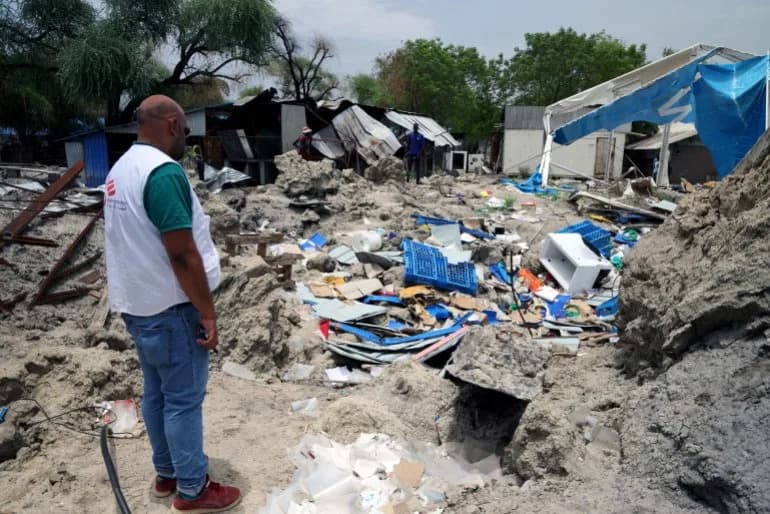
Lankien hospital was evacuated, and patients were discharged hours before the attack, following increased tensions and after MSF received information about a possible attack against the city. [Courtesy of MSF]
In the days before Lankien was attacked, hospital staff raced to evacuate patients — including women in labour and people with gunshot wounds. By the evening of 3 February, after the last patients had been carried out, a bomb struck the emptied facility, leaving a crater in its warehouse and rendering the hospital unusable.
What Happened
Fighting in surrounding areas intensified as government forces launched a counteroffensive to retake territory held by opposition groups. As troops advanced east across Jonglei State they captured towns and pushed fighters toward the Ethiopian border. Residents say mortar fire hit Lankien on the morning of 7 February, forcing many to flee into marshland. Those who later returned described widespread burning, looting and destruction.
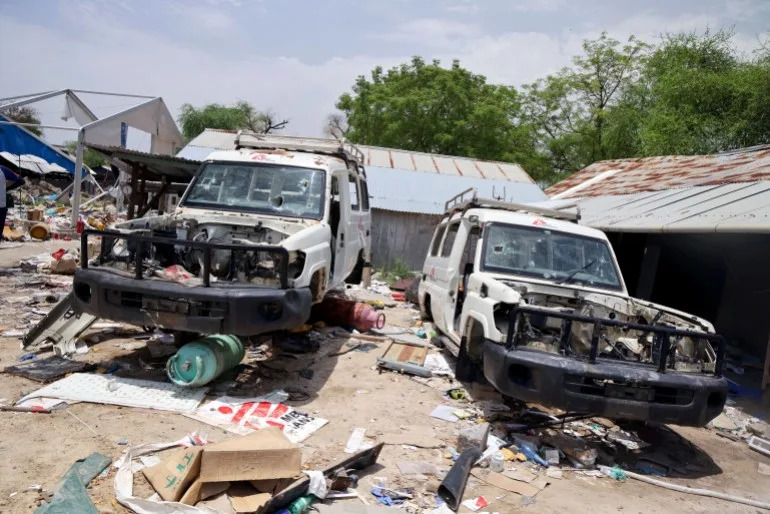
The hospital’s main warehouse was destroyed during the attack, and we lost most of our critical supplies for providing medical care. [Courtesy of MSF]
Evidence of Widespread Destruction
Analysis by the Centre for Information Resilience (CIR), combined with verified images, videos and eyewitness testimony, indicates structural damage across a broad swathe of Jonglei. CIR documented 23 incidents between late January and February in which civilian structures — homes, markets and health facilities — appear to have been burned and looted. MSF personnel who visited Lankien said they observed what they assessed as deliberate destruction.
“Anything that can support the life of human beings was deliberately destroyed,” said Emmerson Gono, deputy head of mission for Doctors Without Borders, after visiting Lankien.
Humanitarian Impact
The humanitarian consequences are severe. The UN reports at least 28 health facilities in Jonglei were damaged or looted this year and that roughly 70% of those are no longer functioning. The UN-backed Integrated Phase Classification (IPC) warns of a risk of famine in multiple counties, and more than 70,000 people are already facing the highest severity of hunger. Humanitarian actors warn impacts on food security and public health are likely to persist for months or longer.
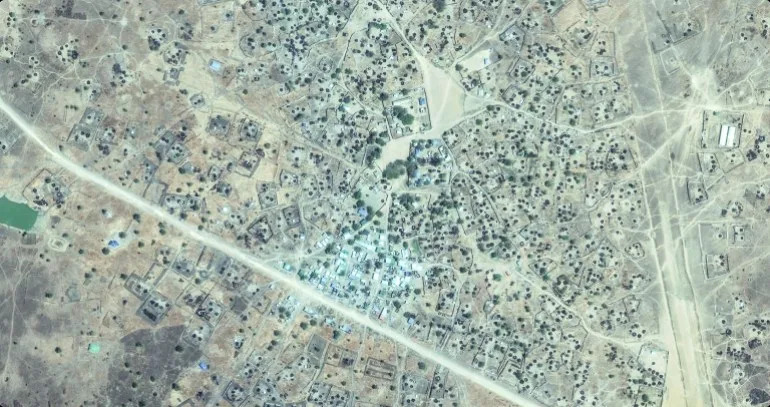
Reports and satellite imagery point to burned villages and mass displacement across Jonglei. [Satellite imagery/Vantor]
Responsibility, Verification and Command Concerns
Accounts of who carried out the attacks differ. Some residents and witnesses attribute targeted destruction to government-aligned forces; government officials say operations are defensive and deny deliberately targeting civilians. Opposition representatives deny being present when certain villages were attacked. Restricted access and insecurity have prevented independent, on-the-ground verification in many locations.
Investigators say the involvement of allied militias operating alongside formal forces complicates the assessment of command responsibility. Videos circulating on social media show commanders making incendiary remarks; the authenticity and full context of those clips could not be independently verified. Authorities have at times disavowed inflammatory comments and in at least one case a commander apologised.
Broader Implications
Witness reports, satellite imagery and NGO assessments together point to a pattern of destruction that has left communities homeless, dismantled health and water systems, and disrupted markets and cold-chain vaccine storage. With limited humanitarian access and mounting food insecurity, residents face an acute and potentially protracted crisis. Analysts and rights advocates warn that these abuses deepen mistrust between communities and the state and risk further fragmenting the country unless there is robust investigation and humanitarian response.
Note: This article compiles reported evidence from satellite imagery analyses, verified media, humanitarian organisations and eyewitness testimony. Where possible the piece flags areas where independent verification was not possible due to restricted access and ongoing insecurity.
Help us improve.





















