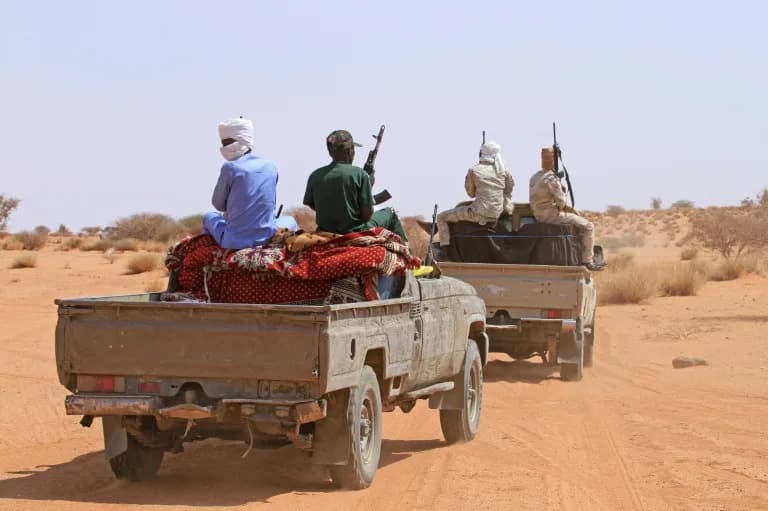
The UN reports that drone strikes killed more than 1,000 civilians in Sudan during the first five months of 2026, reflecting a sharp rise in the use of unmanned systems in the country’s war. UN High Commissioner for Human Rights Volker Türk warned of rampant sexual violence and an escalating, drone-driven conflict. Humanitarian agencies say about 13.6 million people are displaced and millions more urgently need food and healthcare. Observers and rights groups call for stronger international rules on autonomous weapons to prevent further atrocities.
UN: Drone Strikes Kill Over 1,000 Civilians in Sudan in Early 2026 as Drone Warfare Surges
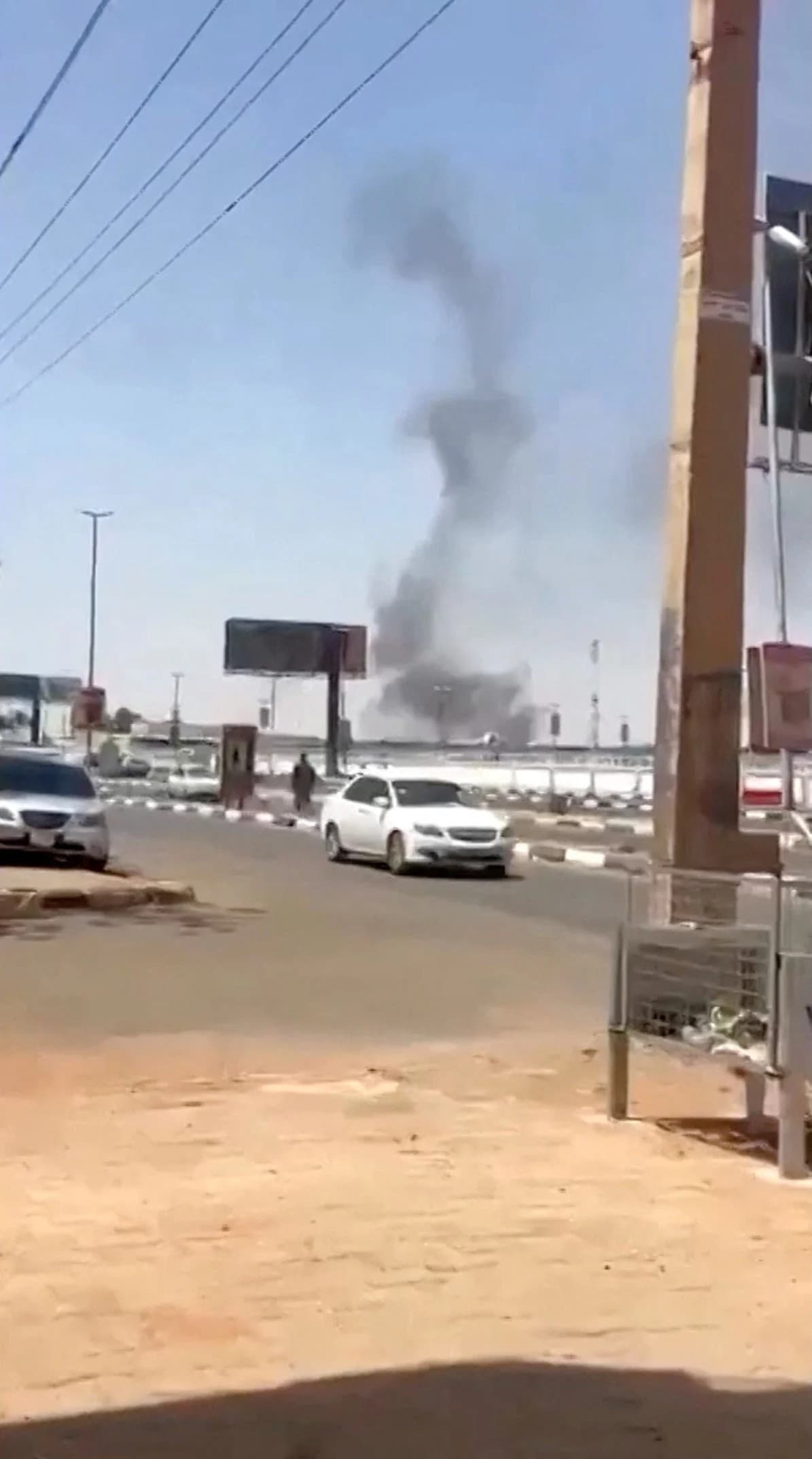
Smoke rises after a drone attack on Sudan's Khartoum International Airport, in a screen grab taken from social media video [File: Reuters]
More than 1,000 civilians in Sudan were killed by drone strikes during the first five months of 2026, the United Nations reported, highlighting a sharp escalation in the use of unmanned systems in the country’s protracted civil war.
UN Findings and Humanitarian Impact
UN High Commissioner for Human Rights Volker Türk told the UN Human Rights Council in Geneva that the conflict has "expanded and escalated, marked by a sharp increase in the use of drone warfare." The UN rights office also documented "rampant" levels of sexual violence, including widespread rape, alongside mounting civilian casualties.
After more than three years of fighting that began in April 2023—when a power struggle between army chief Abdel Fattah al-Burhan and Rapid Support Forces commander Mohamed Hamdan "Hemedti" Dagalo turned into open warfare—Sudan faces a catastrophic humanitarian emergency. The World Health Organization reports roughly 13.6 million people displaced, more than 20 million needing health assistance, and about 21 million people urgently requiring food.
Casualty Estimates and Allegations of War Crimes
Estimates of the overall death toll vary. The Armed Conflict Location and Event Data Project (ACLED) records about 56,000 fatalities, while other analyses place total deaths as high as 150,000 or more. Human rights groups and UN investigators say the conflict has included mass rape and ethnically motivated killings that may amount to war crimes and crimes against humanity.
Drone-Dominated Warfare and Global Concerns
Both sides in the conflict have rapidly adapted tactics and increasingly rely on drones—and ACLED reported in June that the war has transformed into a drone-dominated conflict. The group noted that "both sides are in a relentless race to recalibrate in the face of their adversary’s shifting technologies and tactics, even to the point of some drone-on-drone combat." This trend has intensified concerns about the growing role of automation in warfare and underscored calls for stronger international regulation of autonomous weapons.
“Autonomous weapons cannot become a license for atrocity crimes,”
Volker Türk warned, urging more robust global controls to prevent civilian harm.
The UN’s findings underline the urgent need for increased humanitarian assistance, greater protection for civilians, and international dialogue on regulating the use of drones and autonomous systems in conflict.
Help us improve.