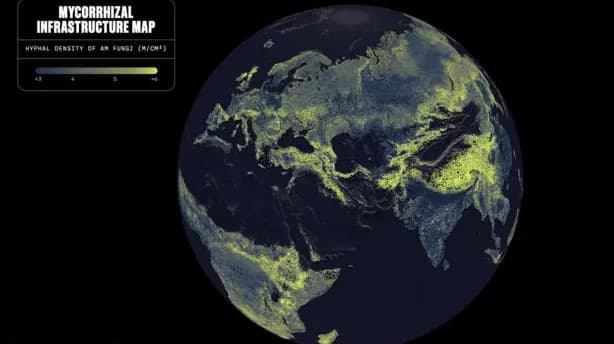
Common mycorrhizal networks (CMNs) are fungal webs that connect plant roots and can move carbon, nitrogen, phosphorus and defence signals between plants. These ancient partnerships involve most land plants and affect growth, disease resistance and ecosystem resilience. Large DNA surveys reveal extensive fungal biodiversity—often outside protected areas—and estimate mycorrhizal fungi store roughly 13 billion tonnes of CO2 in soils annually. While promising for restoration and sustainable agriculture, the ecological scope of CMN exchanges remains context-dependent and actively studied.
How Plants 'Talk' Underground: The Science of Mycorrhizal Networks
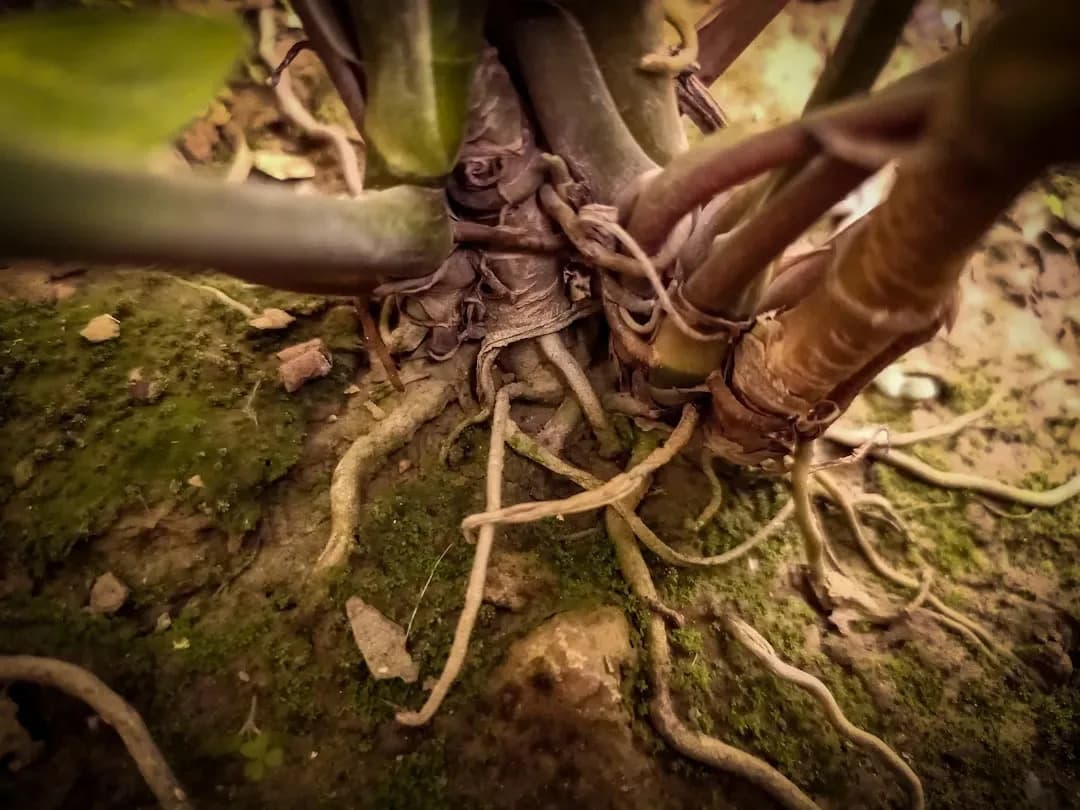
Image credits: Unsplash
Beneath forests, grasslands and gardens lies an unseen, active world where plants communicate not with sound but with chemistry, biology and a molecular language carried by fungi. These fungal threads—known as hyphae—form vast mycelial webs that link plant roots into common mycorrhizal networks (CMNs), sometimes called the “Wood Wide Web.”
What Are Mycorrhizal Networks?
Mycorrhizal fungi form mutualistic partnerships with most terrestrial plants: the fungus expands the plant’s access to soil nutrients while the plant supplies the fungus with photosynthetically fixed carbon. This symbiosis is ancient—dating back more than 400 million years—and is fundamental to terrestrial ecosystems.
How Signals and Resources Move
Through extraradical hyphae, CMNs can mediate movement of carbon, nitrogen, phosphorus and other compounds between both conspecific and heterospecific plants. Researchers have documented significant transfers that can influence seedling survival, growth rates and competitive outcomes. In addition to nutrients, mycelium can carry signalling molecules that modify plant physiology across the network.
Examples From Experiments
Controlled studies have shown that when a "donor" tomato plant connected by a CMN is infected with the pathogen Alternaria solani (early blight), neighbouring, connected "receiver" tomatoes often increase defensive enzyme activity and upregulate defence-related genes. Similar defence priming has been observed in potatoes and citrus relatives exposed to pathogens when linked by fungal networks. Some work also suggests that viral-infection signals and associated defence responses can travel along AMF (arbuscular mycorrhizal fungi) networks, though effects vary with plant tissue, season, viral species and fungal partners.
Scope, Limitations and Debate
While many experiments demonstrate transfer of resources and signals, the scale and ecological significance of CMN-mediated exchanges in natural forests remain debated. Recent reviews urge caution: popular portrayals sometimes overextend the evidence. For example, a study from the University of Göttingen found carbon moved from young beech trees into ectomycorrhizal fungi but did not necessarily flow on to neighboring trees. Scientists warn against anthropomorphizing plants—these interactions result from evolutionary processes, not conscious intent.
Global Mapping and Conservation
Large-scale DNA surveys are shedding new light on fungal biodiversity. A recent global effort analyzed billions of DNA sequences from soils worldwide and found that most mycorrhizal biodiversity hotspots fall outside current protected areas. Arbuscular mycorrhizal fungi in particular show highest diversity near the equator. Because mycorrhizal fungi help move an estimated ~13 billion tonnes of CO2 into soils annually, they play a meaningful role in the carbon cycle and deserve greater attention in conservation and climate strategies.
Applications and Future Directions
Restoration projects that reintroduce mycorrhizal fungi or preserve soil fungal communities tend to improve plant establishment and survival. In agriculture, practices that protect or restore mycorrhizal networks can reduce dependence on synthetic fertilizers and pesticides over time. Researchers are also expanding study of how mycorrhizal fungi shape the broader soil microbiome—a promising frontier that could alter our approach to ecosystem management.
Bottom line: CMNs are a real, measurable component of belowground ecology that can move nutrients and signals between plants. But their effects are context-dependent—varying with species, fungal partners, environmental conditions and spatial scale.
AI Disclaimer: This article was created with the assistance of AI tools and reviewed by a human editor.

The Fungal Foundation: What Mycorrhizae Actually Are (Image Credits: Pixabay)
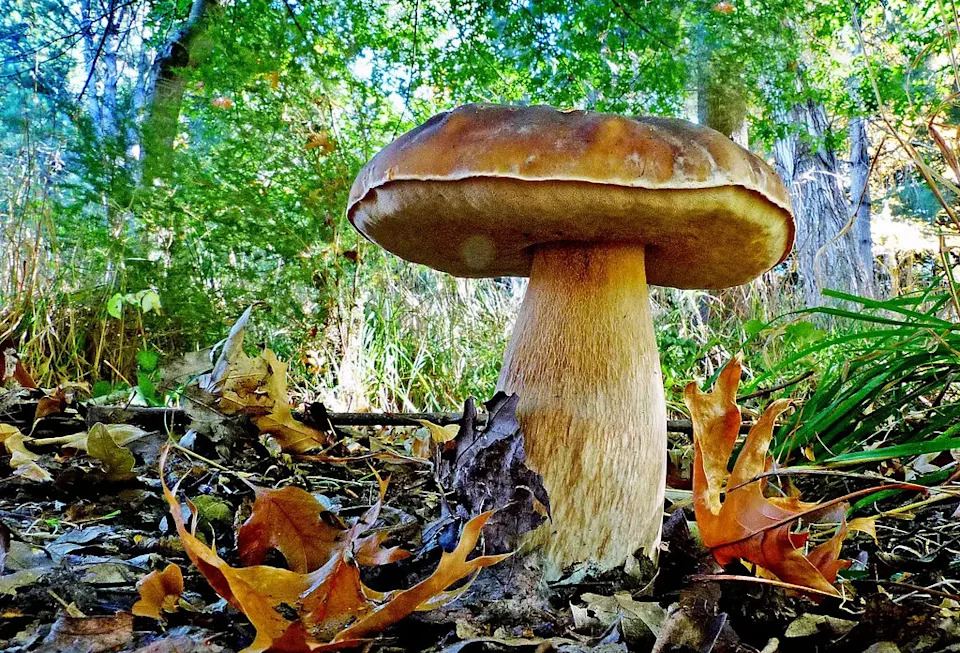
The Wood Wide Web: More Than a Catchy Name (Image Credits: Flickr)
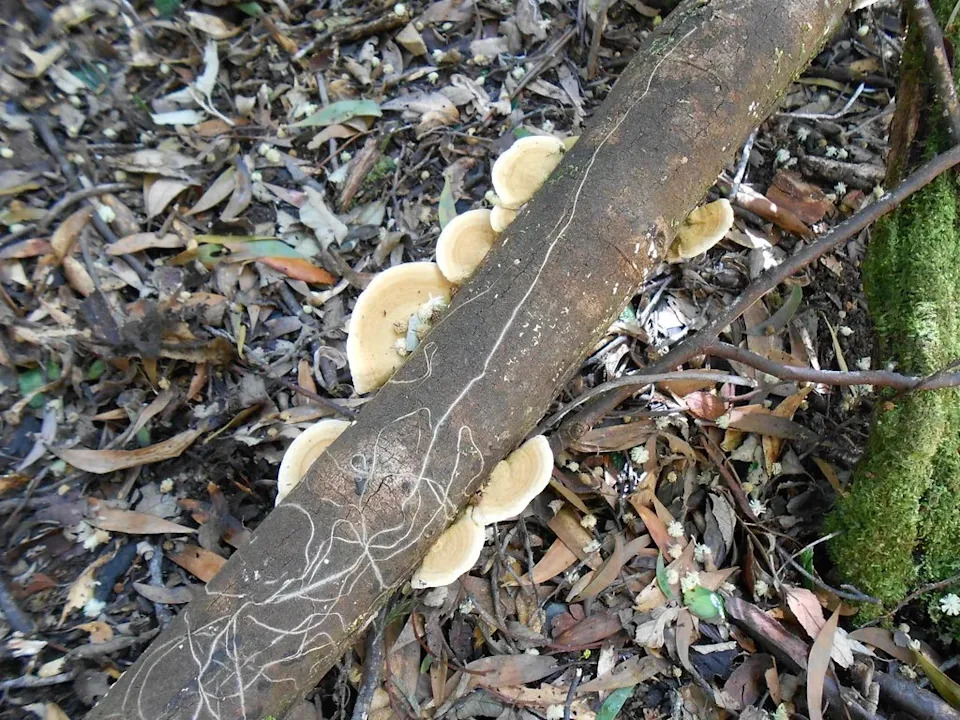
What Travels Through the Network: Carbon, Nutrients, and More (Cowirrie, Flickr,CC BY-SA 2.0)
Defense Signals: Alerting Neighbors to Danger (Image Credits: Pixabay)
Virus Signals Through the Network: A Recent Discovery (Image Credits: Pexels)

How Widespread Are These Networks Really? (Image Credits: Unsplash)
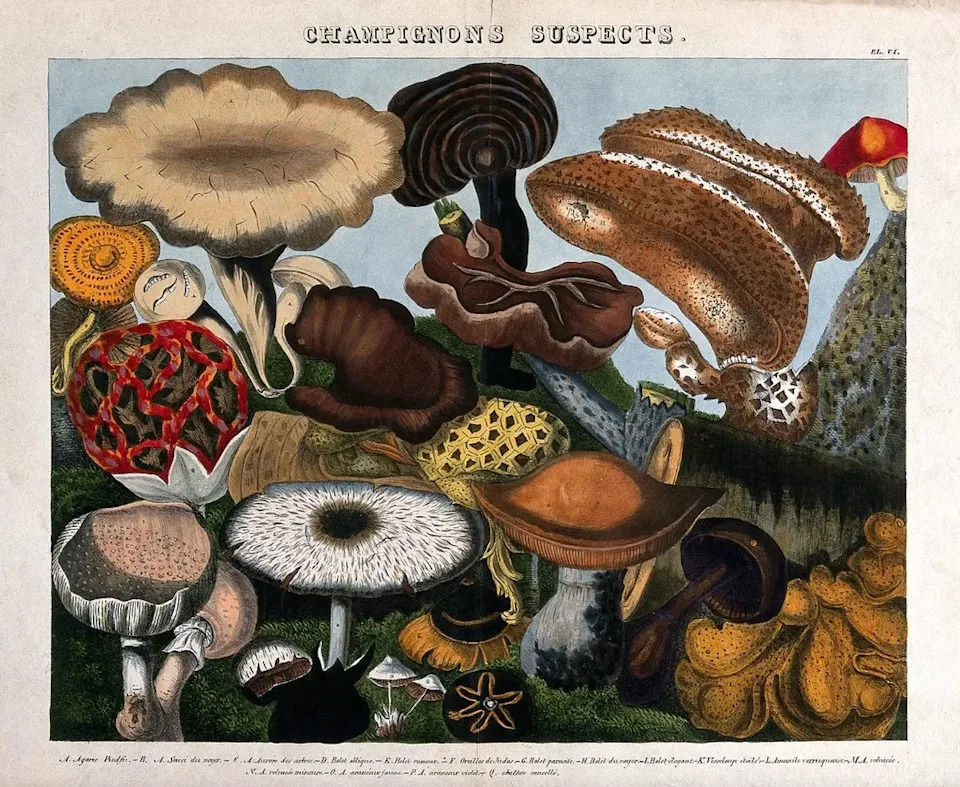
Where the Science Gets Complicated: Honest Debate (Image Credits: Rawpixel)

Mapping the Invisible: The Underground Atlas (Image Credits: Pixabay)
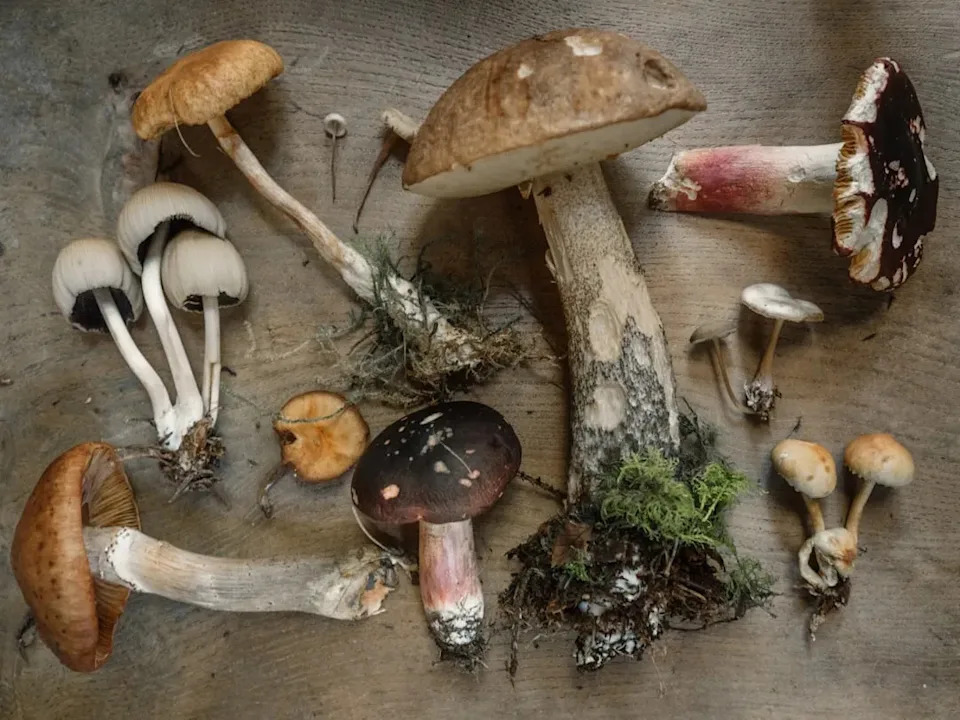
Applications in Agriculture and Ecosystem Restoration (Image Credits: Unsplash)
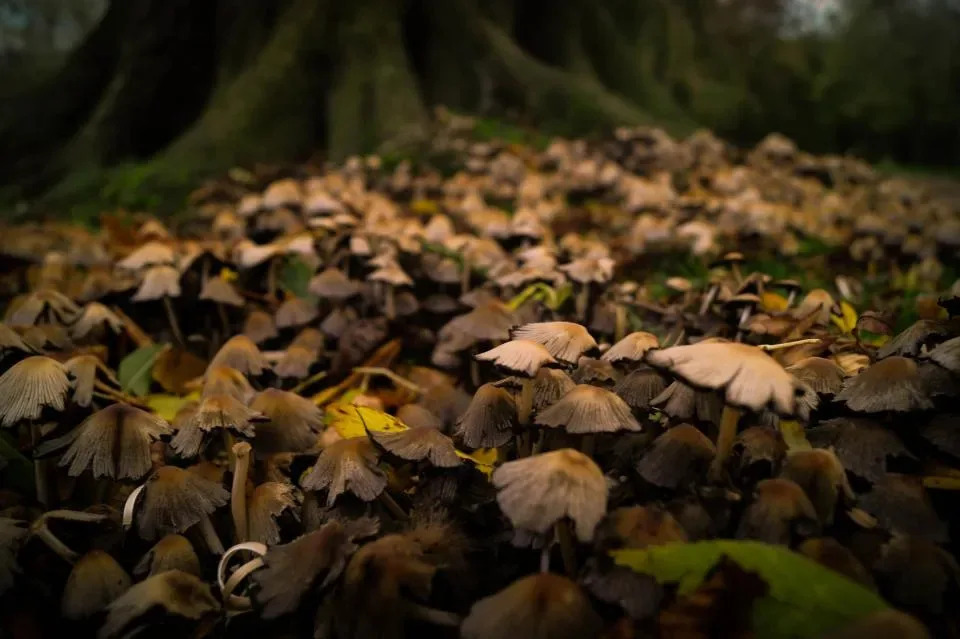
What Comes Next: Open Questions and Emerging Research (Image Credits: Stocksnap)

Conclusion: A Network Worth Understanding (Image Credits: Unsplash)
Help us improve.