Analysts say Moscow's offensive in Ukraine is losing momentum despite months of heavy strikes. ISW data indicate Russian forces lost more ground than they gained in April and May, and Ukraine has largely blunted the spring–summer push. Moscow has shifted to infiltration tactics and focused on Kostyantynivka while narrowing its stated objective to the Donbas. Both sides have escalated long-range strikes, increasing civilian harm, and the UN says the conflict is the deadliest since 2022.
Russian Offensive Losing Momentum Amid Escalating Strikes, Analysts Say
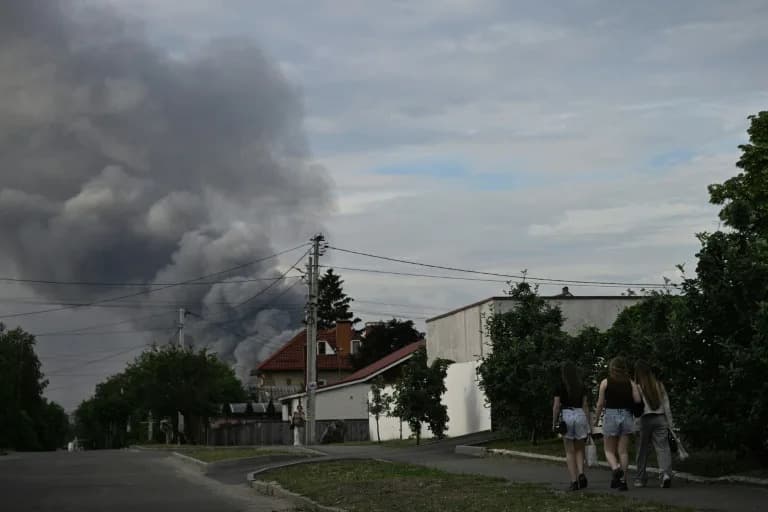
Ukrainian towns and cities have suffered weeks of intensifying Russian bombardment (Genya SAVILOV)(Genya SAVILOV/AFP/AFP)
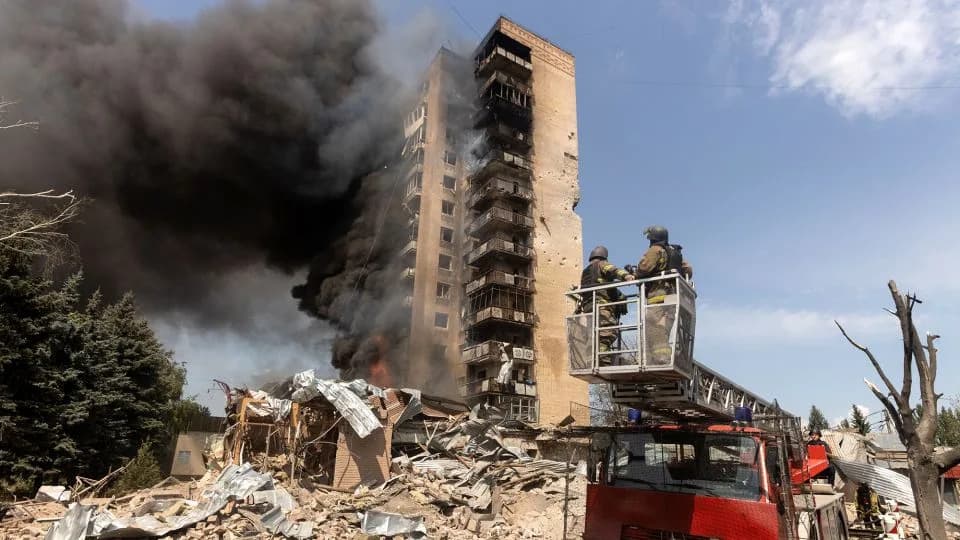
Ukrainian towns and cities have endured months of intensified Russian bombardment, but on the battlefield Moscow's offensive is showing signs of slowing.
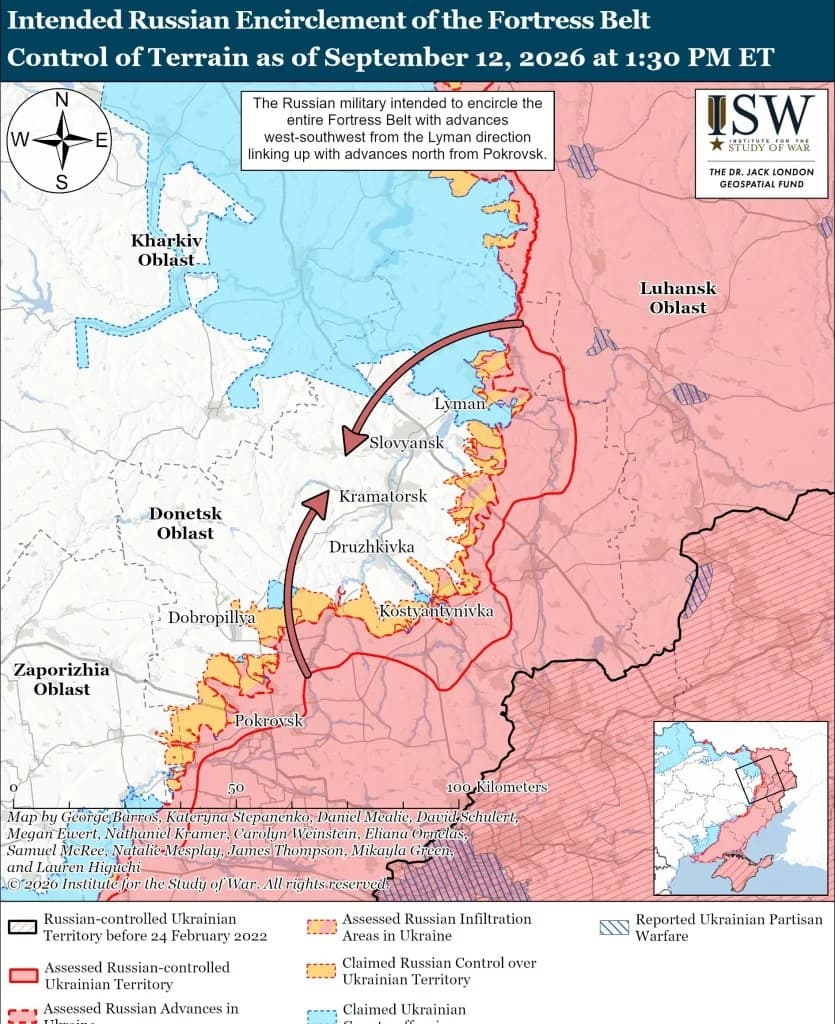
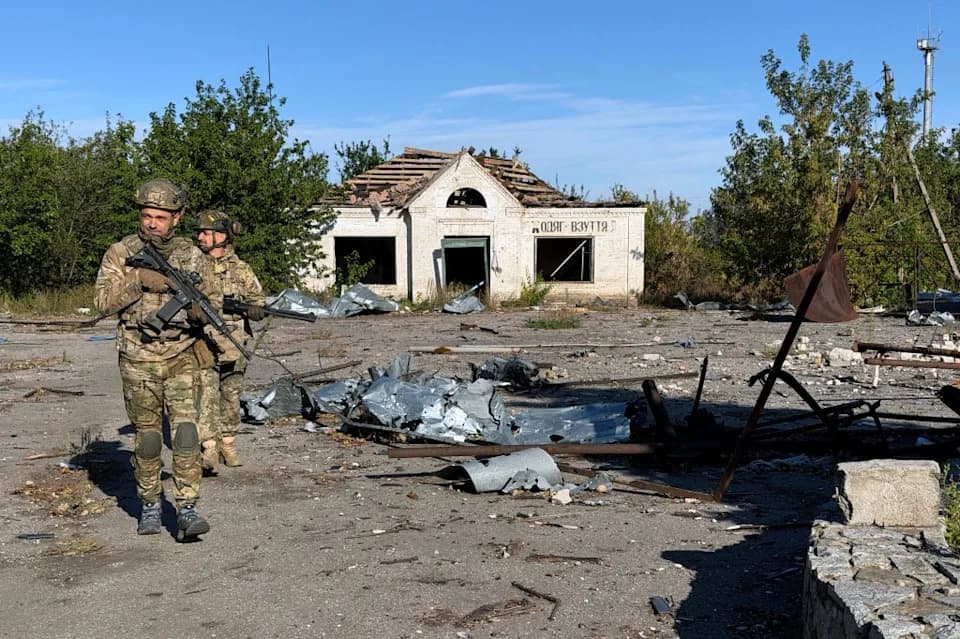
More than four years after the invasion began, public claims from the Russian defence ministry about seizing towns and villages in Ukraine have become less frequent. In several sectors, Ukrainian forces have even established local footholds.
An AFP analysis of data from the US-based Institute for the Study of War (ISW) found that in April and May the Russian army lost more territory in Ukraine than it gained. While those recoveries are too limited to change the overall front, they underscore mounting challenges for Russian forces.
"The Russian army's advance is proceeding at an extremely slow pace," Russian military expert Alexander Khramchikhin told AFP. He added that widespread drone use has created a contested "dead zone" on both sides of the front, and that a sudden acceleration in Russian gains is unlikely unless Ukrainian resources are completely depleted.
All Of Ukraine
With large-scale breakthroughs proving elusive, Russia has increasingly relied on infiltration tactics: sending small groups behind enemy lines to seize and hold key positions until reinforcements arrive. Those operations have yielded limited successes — notably the late-year capture of the logistics hub Pokrovsk — but often take time to translate into lasting gains.
Rather than sweeping advances, Moscow has focused on capturing the Ukrainian stronghold of Kostyantynivka in Donetsk. At the same time, Russia appears to have narrowed its stated objectives. After declaring last June that "all of Ukraine" belonged to Russia, President Vladimir Putin has since framed the campaign more narrowly around seizing the Donbas — the Donetsk and Luhansk regions.
Russia currently occupies roughly one-fifth of Ukraine: the Crimean peninsula (annexed in 2014), most of Donetsk and Luhansk, and large parts of Zaporizhzhia and Kherson. Moscow claims all five regions following referendums widely regarded by the international community as illegitimate.
War At Its Deadliest
Ukraine has also adapted its aims. Faced with recruitment challenges and limited resources for large-scale offensives, Kyiv has scaled back ambitions and is seeking to freeze fighting along current front lines while pressuring Moscow to negotiate.
With the front largely stalemated, both sides have intensified long-range strikes. After last winter's damage to Ukraine's power grid, Russia pledged "systematic" attacks and has launched record numbers of drones and missiles. Ukraine has stepped up strikes against Russian oil infrastructure and supply routes used by occupying forces.
As attacks reach farther from the front lines, civilian suffering has increased. The United Nations reported that the conflict is now deadlier than "at any point" since Russia's 2022 invasion.
Sources: AFP analysis of ISW data; statements from Russian and Ukrainian analysts; United Nations reporting.
Help us improve.