Companies such as Vast are developing modular orbital habitats that use rotation to simulate gravity, aiming to protect crew health and enable longer missions beyond low Earth orbit. Vast plans to launch Haven-1 next year and complete Haven-2 by about 2030 before attempting a dedicated artificial-gravity station, possibly a decade or more later. Rotating stations could reduce bone, muscle and cardiovascular decline but pose engineering and physiological challenges—such as spin-rate trade-offs and Coriolis effects—requiring stepwise testing and operations.
Artificial-Gravity Space Stations Could Let Humans Live and Travel Much Longer in Space
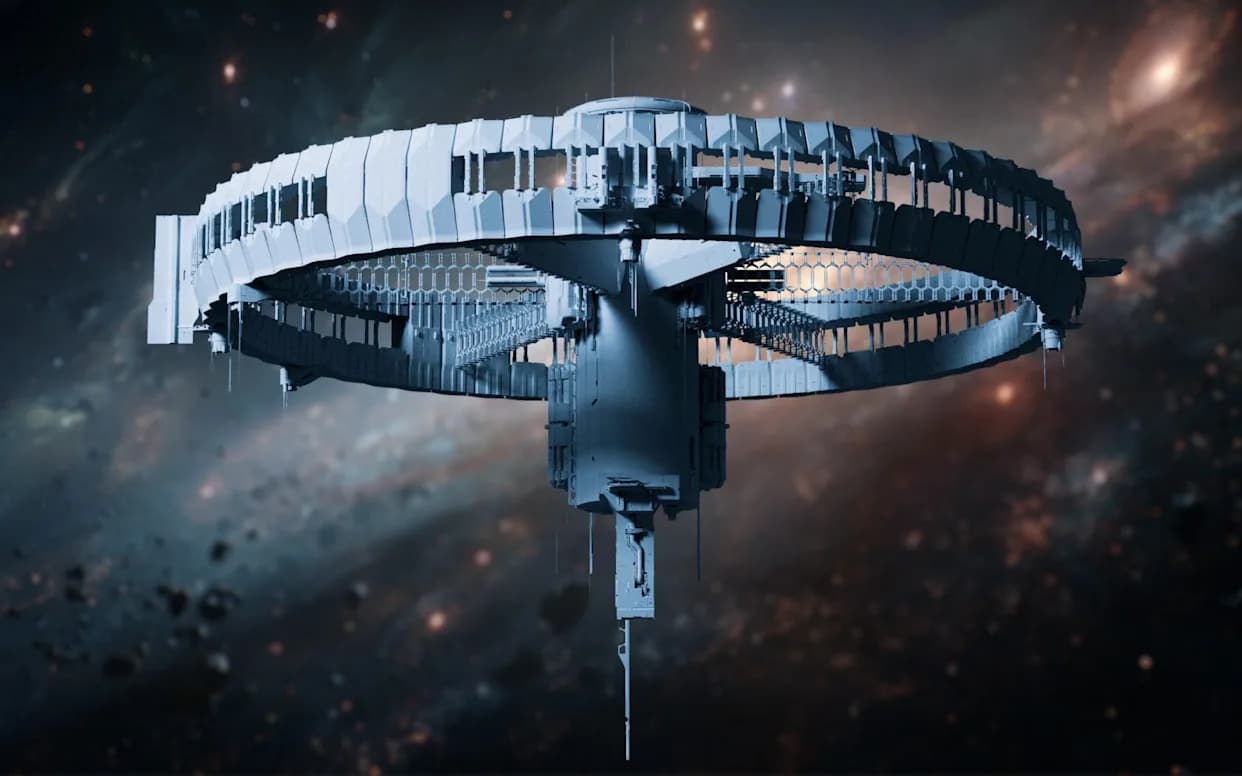
Anti-gravity space stations will allow humans to live in space long term without the severe deleterious effects of zero gravity
Large orbital habitats that create simulated gravity by spinning are moving from fiction to engineering plans—potentially allowing people to live in space for far longer without the damaging effects of prolonged weightlessness.
US company Vast is developing modular habitation systems that use centripetal acceleration to mimic gravity. The firm plans to launch its first crew-capable module, Haven-1, next year and build a full orbital station, Haven-2, by about 2030. After those steps, Vast intends to design and build a dedicated rotating station that could support longer missions deeper into the Solar System.
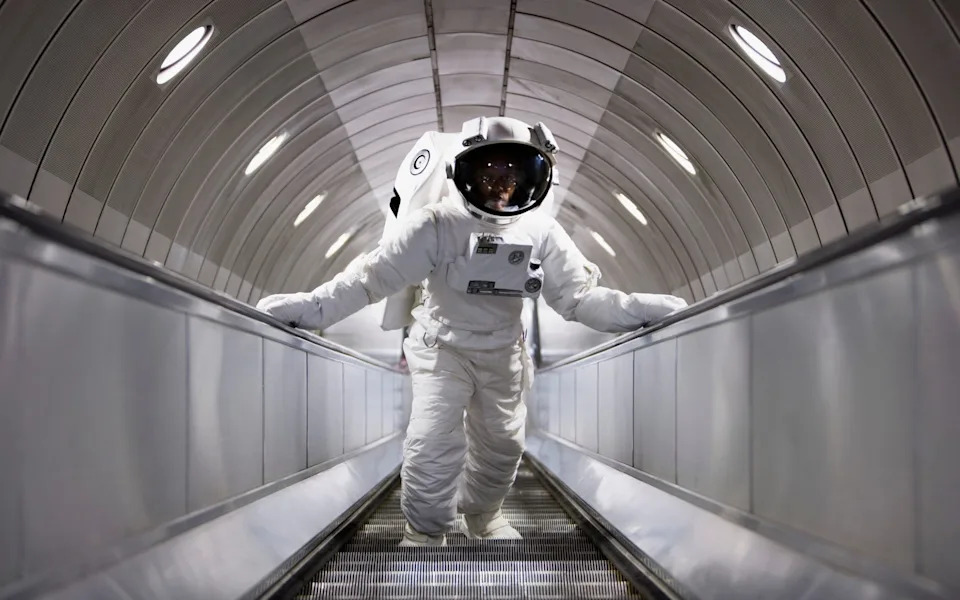
Living without gravity is hugely detrimental to astronauts, causing bone and muscle loss, heart deconditioning, immune system changes, and vision and cognition problems
How Rotating Stations Work
The principle is straightforward: when a structure spins, occupants are pushed toward the outer hull by centrifugal forces. If the station's radius and rotation rate are chosen appropriately, those forces can approximate the sensation of standing under planetary gravity.
Tom Shelley, Vast's vice-president for private crew recruitment: 'Artificial gravity space stations allow us to explore further and deeper into space. One of the problems with humans in space is bone loss and muscle loss because of microgravity; if you can create an artificial-gravity environment, you can spend longer in space.'
Vast's long-term concept envisions a station that rotates end-over-end at about 3.5 revolutions per minute (rpm) and could house roughly 40 people. By contrast, Russia's Energia has proposed a rotating base that would spin at about 5 rpm to generate roughly 50% of Earth's gravity.
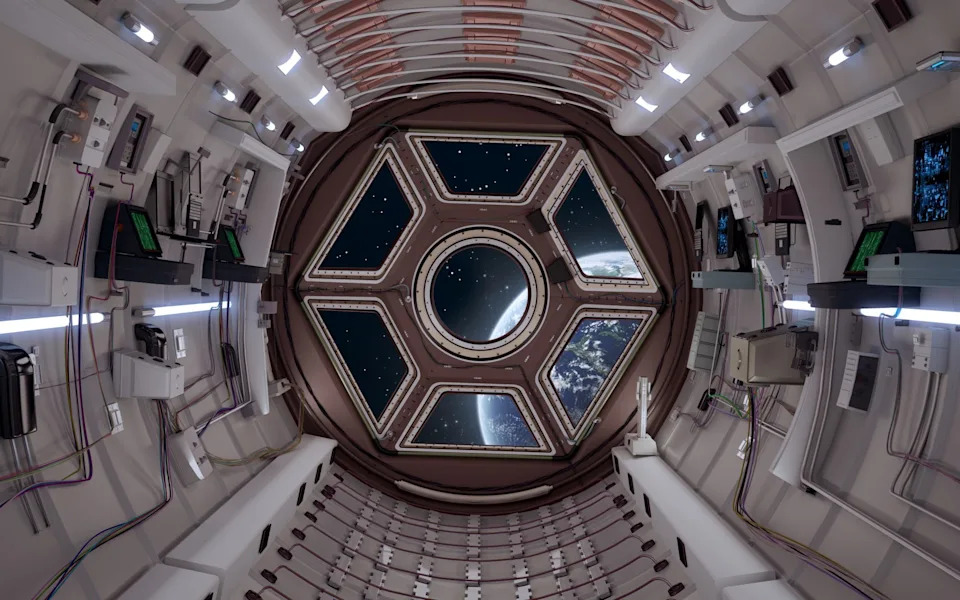
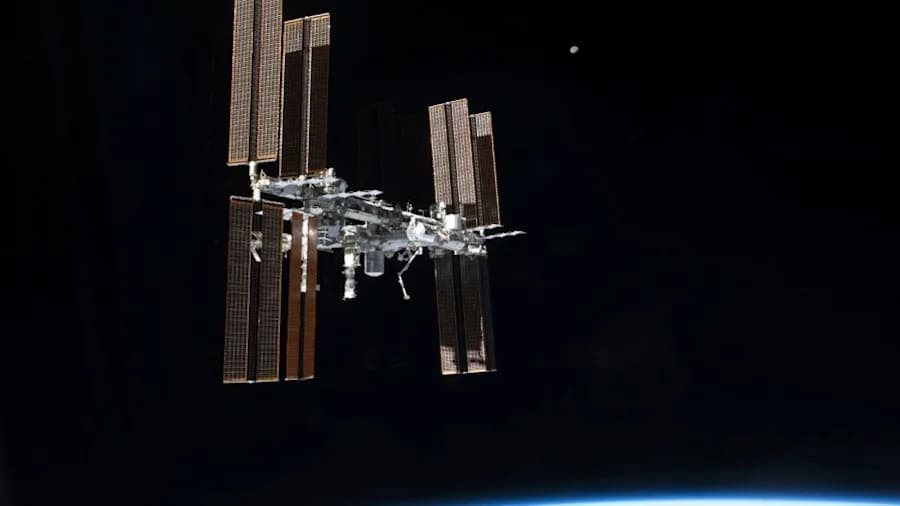
At present, astronauts on orbiting space stations experience microgravity and float because the spacecraft is in constant free-fall around Earth
Why Artificial Gravity Matters
Living for extended periods in microgravity leads to well-documented health problems: bone and muscle loss, cardiovascular deconditioning, immune-system changes, and effects on vision and cognition. Creating a gravity-like environment is one of the most promising ways to reduce or prevent those effects and enable longer missions to Mars and beyond.
Technical and Human Challenges
Rotating habitats pose real engineering and physiological challenges. Designers must trade off rotation rate and radius: lower spin rates require larger structures to achieve the same gravity, while faster spins increase the chance of Coriolis-induced motion sickness and awkward perception of moving objects. Systems must also handle station assembly, structural loads, docking and transfer to non-rotating vehicles, thermal control, radiation protection, and long-term life-support reliability.
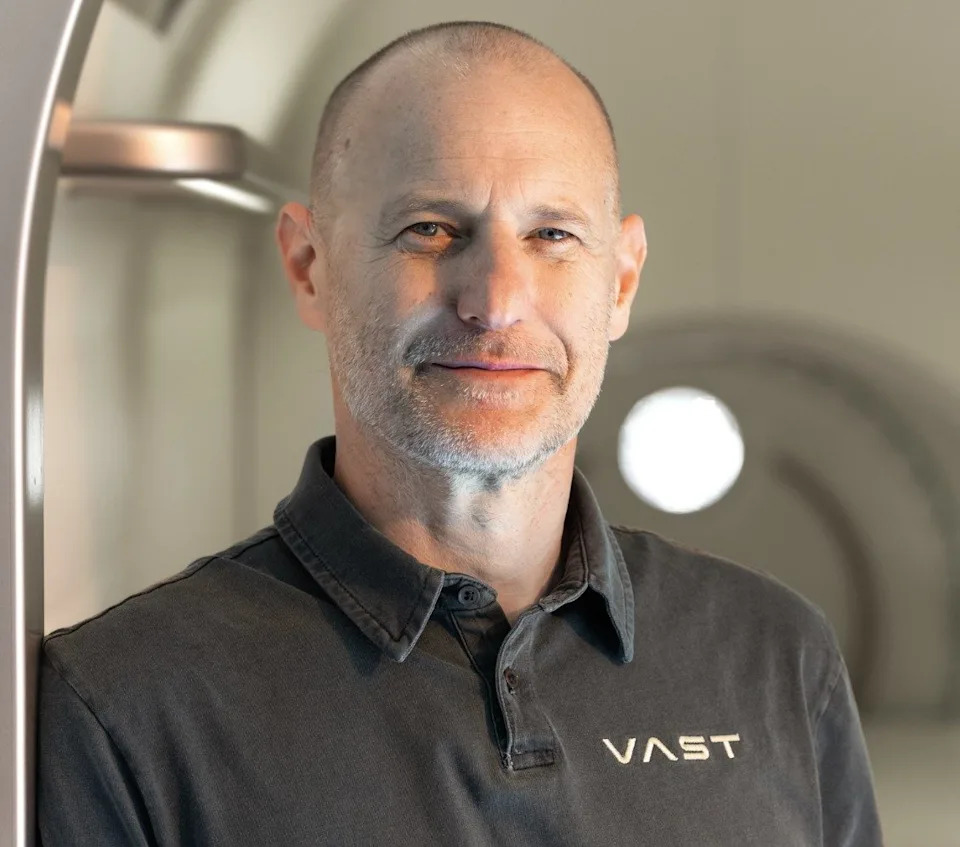
Tom Shelley; ‘The idea is to take these space stations much further out in the Solar System’
Vast says Haven-1 and Haven-2 are intended to mature the practical skills—construction, operations, crew health monitoring and commercial logistics—required before attempting a full artificial-gravity station, a program the company expects will take a decade or more after initial modules are proven.
Jed McCaleb, Vast founder: 'The long-term vision is to enable millions of people to live in the Solar System while preserving Earth.'
Historical Context
The rotating-spacecraft idea has deep roots. Russian thinker Konstantin Tsiolkovsky suggested rotating habitats in the early 20th century, and Wernher von Braun later popularized similar concepts. NASA and Stanford proposed the Stanford Torus in 1975, a ring more than a mile across intended for thousands of residents. NASA also studied Nautilus-X in the 2010s before budget priorities halted that project. More recently, several companies and agencies have renewed interest in spinning habitats as technology and commercial pathways advance.
Outlook: Artificial-gravity stations are not imminent large-scale habitats, but stepwise programs—starting with small, crewed modules and advancing to larger, rotating systems—could make extended human presence and deeper exploration of the Solar System far more feasible.
Help us improve.