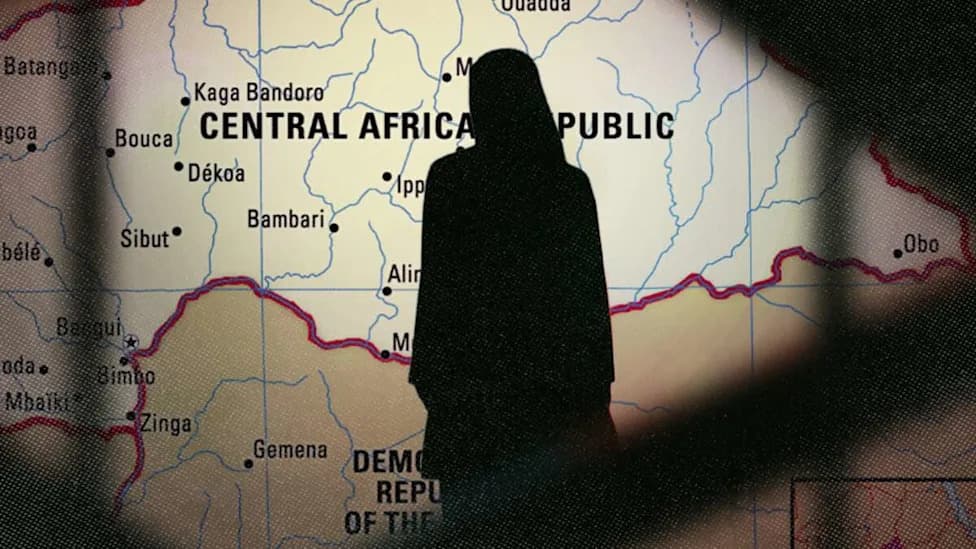
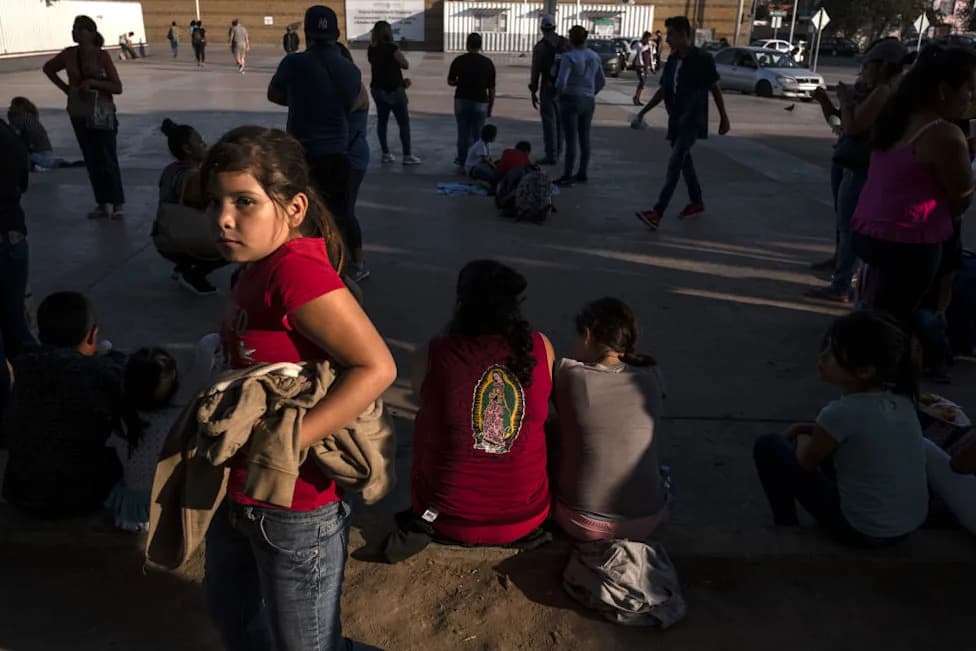
Afghan refugees at Camp As Sayliyah in Doha — including 15-year-old Zahra Muheb — remain stranded on a U.S. military base after an executive order paused refugee resettlement. More than 1,100 people, mostly women and children, report threats, GPS monitoring during hospital visits and pressure to accept return or relocation to third countries. Lawmakers and advocacy groups have criticized policy choices and 83 members of Congress have demanded a clear plan from the State Department by June 24.
Afghan Teen and 1,100 Refugees Stranded at U.S. Base in Doha Amid Paused Resettlement
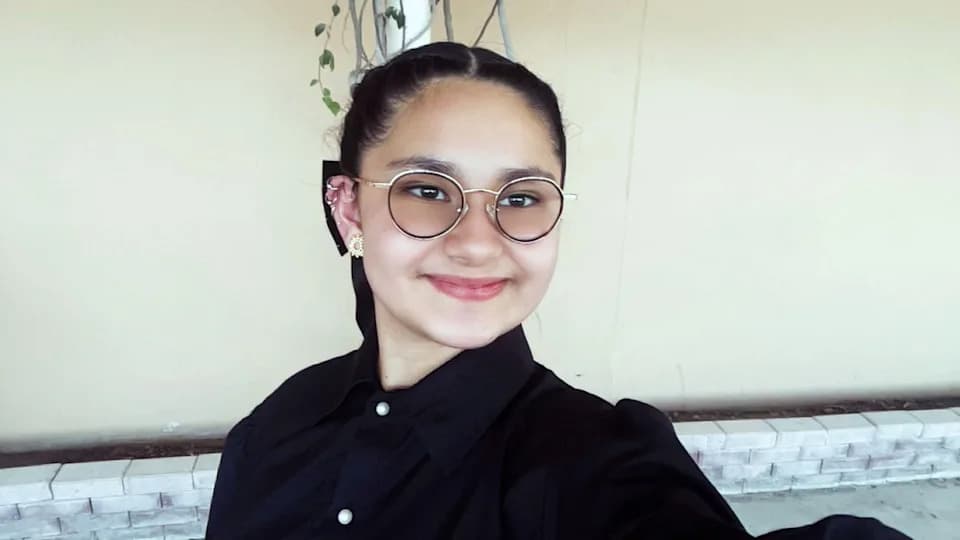
Zahra Muheb - PHOTO: Zahra Muheb, 15, is one of more than 1,100 Afghan refugees living at Camp As Sayliyah, a refugee camp on an unused Doha military base
Fifteen-year-old Zahra Muheb has spent her last two birthdays inside a small room bounded by four gray walls at Camp As Sayliyah, a refugee site on an unused U.S. military base in Doha. With a rug, a bright comforter and a few pictures, she has tried to make the space feel like home — but for Zahra and more than 1,100 other Afghan refugees, the camp remains a temporary and uncertain refuge.
The residents were moved to the Doha base under the U.S. refugee resettlement process and have been awaiting permanent relocation. Their prospects were upended after an executive order early in the current U.S. administration paused refugee resettlement efforts. Zahra told ABC News that the decision has rippled through life at the camp.
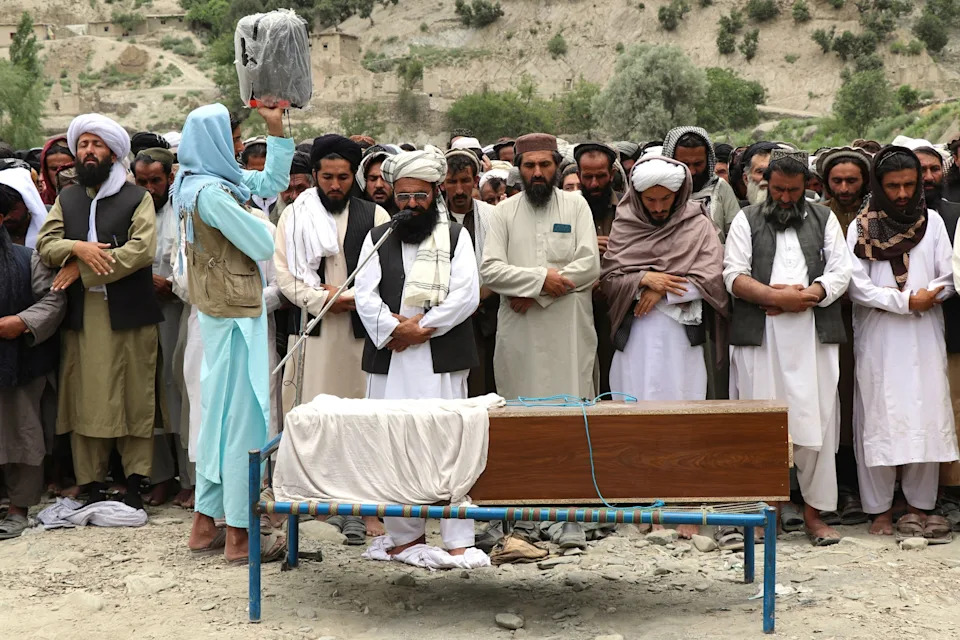
AFP via Getty Images - PHOTO: Afghan men gather to offer funeral prayers for Pakistani airstrike victims at Mani village in Spera district, Khost province on June 10, 2026.
"When you leave the camp and you are sick, they take you to the hospital and put GPS trackers on you so you cannot leave," Zahra said. "I feel like prison might be much better than here." She also told reporters she was threatened by the camp duty director and other officials after speaking to news outlets. Zahra said staff warned her parents that her public comments had increased the risk of being sent back to Afghanistan.
A State Department spokesperson told ABC News they had "no information regarding this alleged incident" and that "accusations are dealt with promptly to protect residents."
Some residents say camp officials have used fear of return to Afghanistan to pressure people to accept alternatives — including offers of money or relocation to third countries. Earlier talks reportedly considered moving some residents to the Democratic Republic of Congo (DRC), a country currently battling a severe Ebola outbreak; that proposal was later dropped.
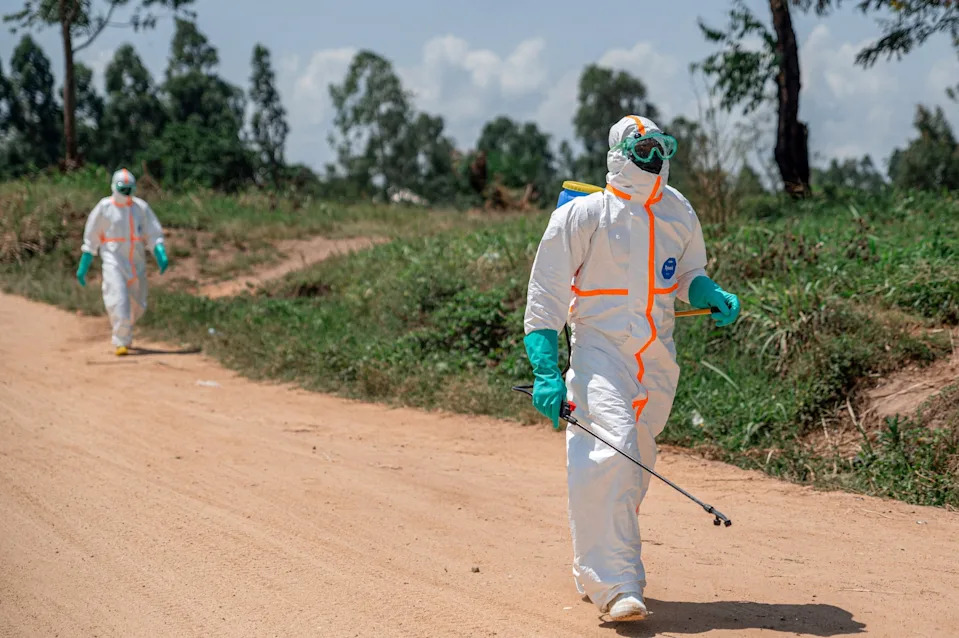
Anadolu via Getty Images - PHOTO: Health workers, wearing protective gear, retrieve the body of a citizen who died of Ebola virus from the Rwampara Hospital morgue for burial procedures, in the Democratic Republic of the Congo, on June 8, 2026.
Zahra's family has been through U.S. vetting, but like many at Camp As Sayliyah they remain in limbo while the State Department seeks relocation options. Speaking directly to U.S. leaders, Zahra implored: "Mr. President — please reconsider. At least bring us to America. We deserve safety. We deserve a life with dignity."
Advocates and lawmakers say recent policy choices have compounded the uncertainty. Critics point to a reported increase of 10,000 refugee slots reserved largely for White South African applicants even as Afghan evacuees await permanent resettlement. At a June 2 Senate Foreign Relations Committee hearing on the State Department budget, lawmakers pressed officials for answers and criticized what they called uneven policy priorities.
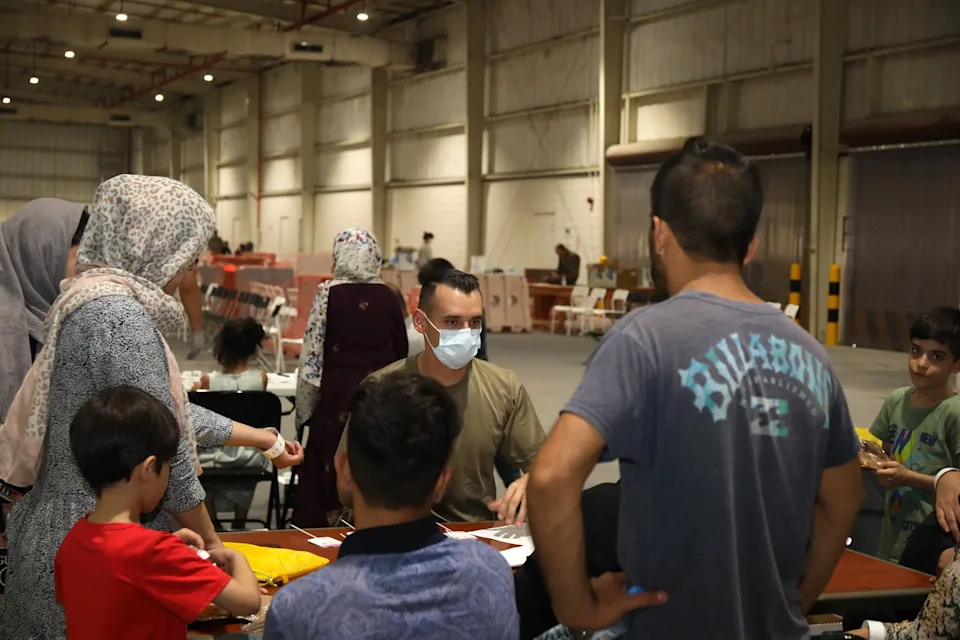
Jimmie Baker/U.S. Army via Getty Images, FILE - PHOTO: In this Aug. 20, 2021, file photo provided by the U.S. Army, combat medic Sgt. Wyatt Ryser with the 811th Hospital Center gives a Covid-19 briefing to an Afghan family at Camp As Sayliyah in Doha, Qatar.
Senators including Chris Van Hollen and Chris Coons condemned any plan to return Afghan allies to Taliban-controlled Afghanistan or to send them to countries with significant security and health risks. Sen. Marco Rubio said officials had discussed moving several hundred people to safe third countries but emphasized limits created by current U.S. policy.
Residents say they feel abandoned after serving alongside U.S. forces. One father who worked with Afghan command forces said, "We were brought here legally and we completed all legal processes. We stood side by side with the United States for almost 20 years. Now the time has come for the U.S. government to fulfill their promises."
Nonprofit groups such as AfghanEvac continue to press Congress and the administration. Shawn VanDiver, president of AfghanEvac, told residents and lawmakers on a call in April: "We're going to keep fighting for you. There are many people in Congress who will keep fighting for you."
After Zahra's interview aired on ABC News, 83 members of Congress signed a letter to Secretary of State asking for a clear plan for Camp As Sayliyah residents and gave the State Department until June 24 to provide detailed answers and a credible relocation strategy.
For now, residents wait. Zahra said she is speaking out to speed resettlement for herself and others who fear relocation to conflict-affected or disease-affected countries: "I'm showing my face and I am raising my voice... Whatever you do, it won't stop me. I will fight. I will take those people to safety. I will try."
Help us improve.