Mongolia has recovered 29 sets of dinosaur fossils stolen in 2006 and returned after international recovery efforts. French customs first uncovered some specimens in 2013, and a formal handover took place in Paris in December 2025. The collection includes fragments from theropods, ornithomimosaurs and hadrosaurs, and a more-than-half-complete Tarbosaurus bataar. Museum teams in Ulaanbaatar will catalogue and conserve the fossils before public display.
Rare Tarbosaurus and 28 Other Dinosaur Fossils Repatriated to Mongolia After Nearly 20 Years
The Gobi Desert is one of the biggest troves of dinosaur fossils on Earth.
Mongolia has reclaimed 29 sets of dinosaur fossils that were looted nearly two decades ago, officials at the National Museum of Natural History in Ulaanbaatar announced. The trove — returned to Mongolia following international recovery efforts — includes a more-than-half-complete Tarbosaurus bataar, a close Asian relative of Tyrannosaurus rex.
According to Ulaanbaatar police spokesperson D. Munkhkhuyag, the remains were stolen in 2006 "with the aim of making a profit." French customs officers first uncovered some of the specimens in 2013. Over the next two years, French and Mongolian authorities worked under international laws against illicit trafficking in cultural heritage to arrange the fossils' repatriation. A formal handover ceremony was held in Paris in December 2025.
What Was Returned
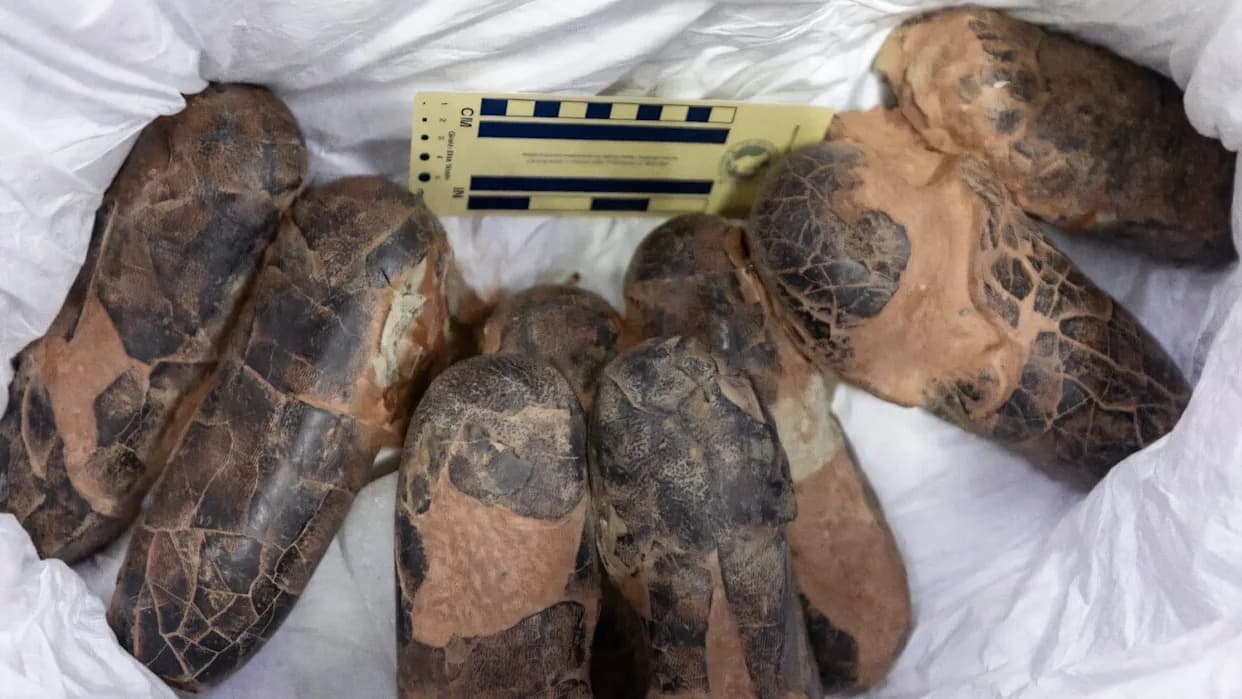
The shipment contains fossil fragments from a variety of Late Cretaceous dinosaurs that once inhabited what is now the Gobi Desert, roughly 65–70 million years ago. The collection includes remains from theropods, ornithomimosaurs and hadrosaurs — and one standout: an individual Tarbosaurus bataar that is more than half complete.
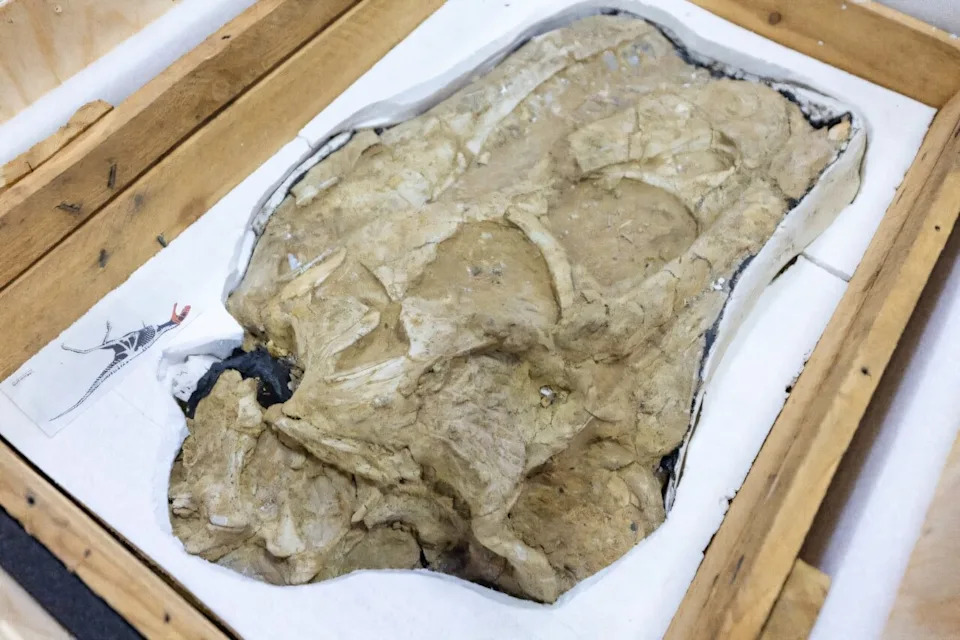
French customs agencies confiscated the fossils between 2013 and 2015, and began returning them a year later. Credit: National Museum of Natural History
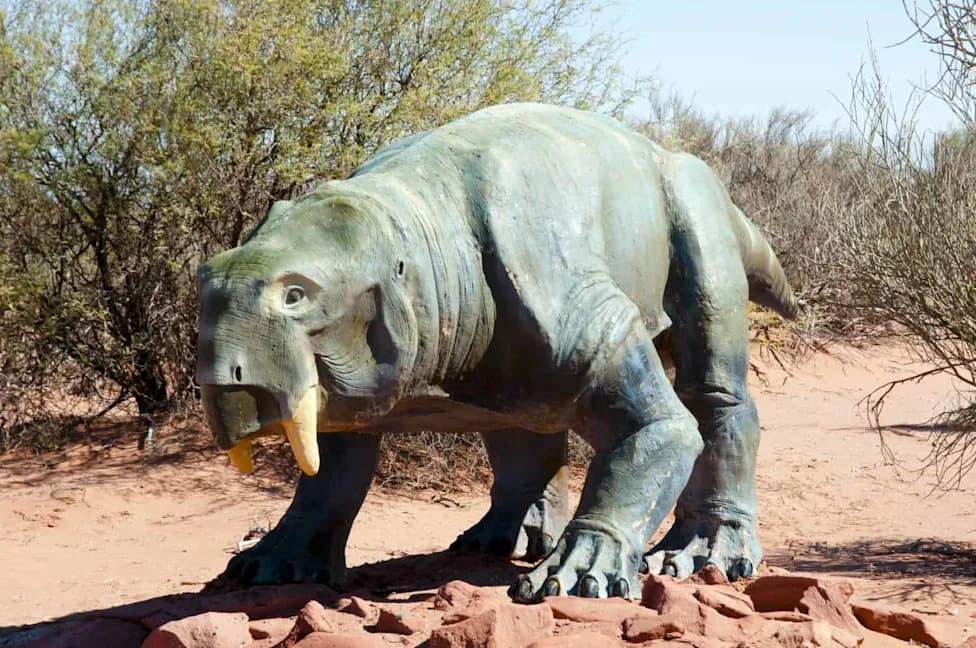
Tarbosaurus bataar, a top predator in its ecosystem, is typically found in Mongolia and other parts of Central Asia. Although the modern Gobi is cold and arid, it was once a humid floodplain with forests and river channels. Adult Tarbosaurus could reach about 33 feet (10 meters) in length, stand close to 10 feet (3 meters) tall at the hip, and weigh well over five tons. Some paleontologists argue that T. bataar is so similar to North America’s Tyrannosaurus rex that it might be considered an Asian variant of the Tyrannosaurus genus.
Next Steps
Back in Ulaanbaatar, museum paleontologists will catalogue, stabilize and conserve the fossils before preparing them for public display. "The dinosaur fossil is priceless and a unique piece of heritage," museum director Manchuk Nuramkhan said. "We are delighted that children and young people will have the opportunity to see Mongolia’s dinosaur heritage firsthand and learn from it."
"These returns are the result of international cooperation and a reminder of the importance of protecting cultural and scientific heritage," said a museum official at the handover ceremony.
The repatriation highlights ongoing challenges posed by black-market fossil trafficking and emphasizes the role of international collaboration in returning stolen cultural property to its country of origin.
Help us improve.