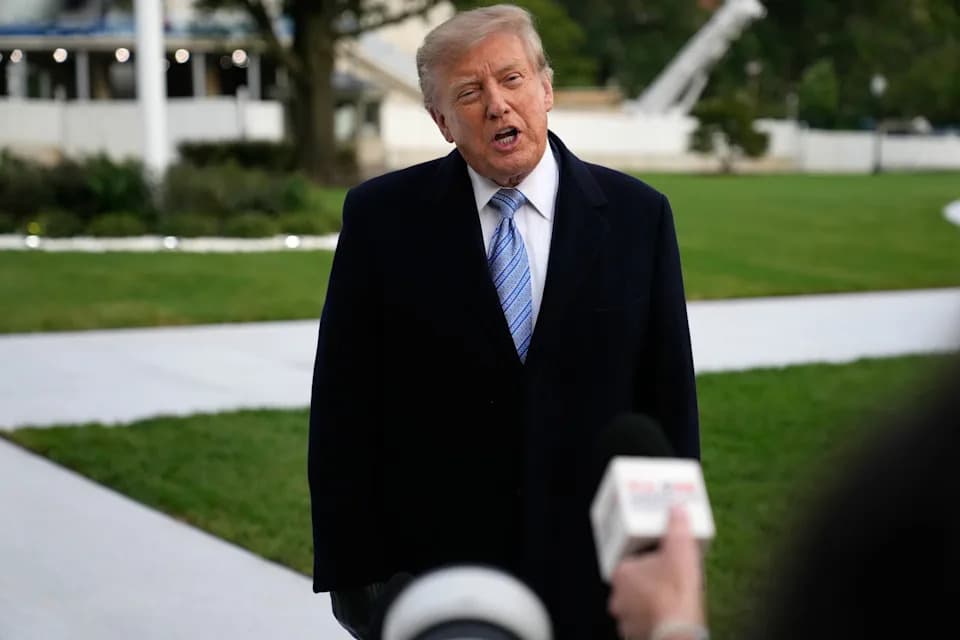
Summary: U.S. forces shot down two Iranian one-way attack drones targeting ships in the Strait of Hormuz as negotiations between Washington and Tehran continued amid mixed public messages. President Trump said he canceled planned strikes while suggesting a memorandum of understanding could be signed within days, but he indicated the naval blockade would remain until the deal is finalized. Israel said it was not a formal party to the draft agreement and reported new operations in southern Lebanon, where the IDF described dismantling militant infrastructure and eliminating fighters.
U.S. Downs Two Iranian Drones as Talks With Tehran Near Possible Deal
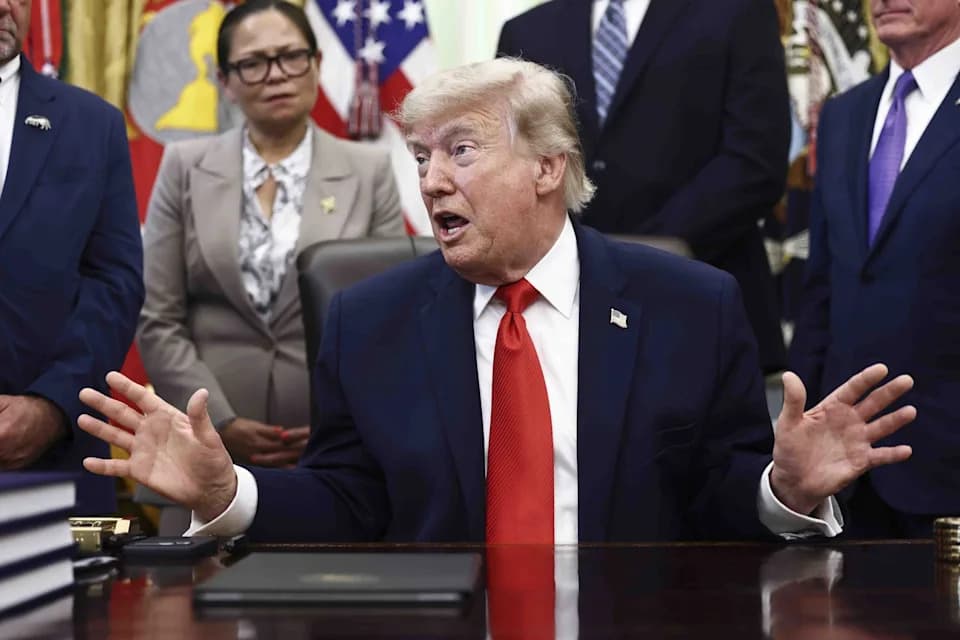
Jim Lo Scalzo/EPA/Shutterstock - PHOTO: President Donald Trump responds to a question from the news media after signing a fisheries proclamation in the Oval Office of the White House in Washington, June 11, 2026.
U.S. forces shot down two Iranian one-way attack drones that appeared to be targeting commercial ships transiting the Strait of Hormuz, U.S. officials said. The incident comes amid intense, sometimes contradictory, public statements from Washington about progress in negotiations with Iran.
Background
On Feb. 28, President Donald Trump announced what he described as "major combat operations" against Iran, saying the U.S. and Israel had carried out extensive strikes on Iranian military, government and infrastructure targets. A two-week ceasefire followed, and initial U.S.-Iran talks held in Pakistan in April did not produce a final agreement. The ceasefire was later extended while the U.S. maintained a naval blockade pending negotiations.
Latest Developments
Drone Interception: According to a U.S. official, American forces shot down two one-way Iranian attack drones that appeared to be attempting to strike ships in the Strait of Hormuz. Officials emphasized that commercial traffic through the Strait continued after the intercepts.
Negotiations and Mixed Signals: In public remarks, President Trump issued sharp criticism of Iran after an alleged attack on an Indian ship leaving the Strait of Hormuz, calling the act "unacceptable" and warning Tehran to "get their act together, and FAST." He also disputed Iranian statements about the terms of a prospective agreement, saying leaked terms did not match what had been agreed to in writing.
At the same time, the president announced that he had canceled previously scheduled strikes against Iran as talks advanced, and he said negotiators were close to finalizing a memorandum of understanding that could be signed within days, possibly in Europe. Trump said Vice President J.D. Vance and other administration officials might represent the U.S. at a signing and predicted the naval blockade would be lifted when the deal was finalized.
International Coordination: Officials and media reports indicate that consultations have involved multiple regional partners. President Trump spoke by phone with Israeli Prime Minister Benjamin Netanyahu and the Emir of Qatar, Sheikh Tamim bin Hamad Al Thani, reflecting coordination and mediation efforts. According to a source, Qatar played a role in talks in Tehran and mediators reported breakthroughs that brought negotiators close to an agreement.
Israeli Reaction and Regional Tensions: Israel said it had not been a formal party to the memorandum of understanding and, according to a source, Prime Minister Netanyahu was surprised by some public announcements about the deal. Meanwhile, the Israel Defense Forces reported seizing an area north of the Saluki River in Lebanon, dismantling what it described as hundreds of militant structures and saying it had killed more than 50 fighters. The IDF said the operation was intended to remove threats from groups operating in southern Lebanon.
Note: Many details about the proposed memorandum of understanding, including timing and certain terms, remain subject to confirmation by officials on all sides. Reports cite a range of international actors as involved in consultations, and U.S. officials stress that the naval blockade will remain in place until any agreement is finalized.
What to Watch
- Official confirmation and text of any memorandum of understanding or final agreement.
- Announcements on the timing and location of a signing, and which nations will be represented.
- Continued maritime security in the Strait of Hormuz and any further Iranian maritime activity.
- Regional reactions, especially from Israel and Gulf partners, and any further military movements in Lebanon or surrounding areas.
Reporting in this article draws on U.S. official statements and correspondent dispatches. Many developments remain fluid and subject to verification.
Help us improve.