Russia is shifting tactics: Videos and analyst reports show small, two‑to‑three‑person infiltration teams using concealed outposts to operate drones and create "drone corridors" that support multi‑directional infantry assaults into Ukrainian kill zones. These drone‑backed raids have produced local captures—such as Komsomolskoye and Shevchenko—but captured towns often remain exposed to Ukrainian artillery and counterdrone strikes. Kyiv is responding by increasing drone production, strengthening electronic warfare, and improving resupply and robotics to blunt these methods. The long‑term impact will hinge on which side better integrates drones, EW, and logistics at the tactical level.
Russia’s New Tactic: Small‑Team Infiltrations and Drone ‘Corridors’ to Breach Ukrainian Kill Zones
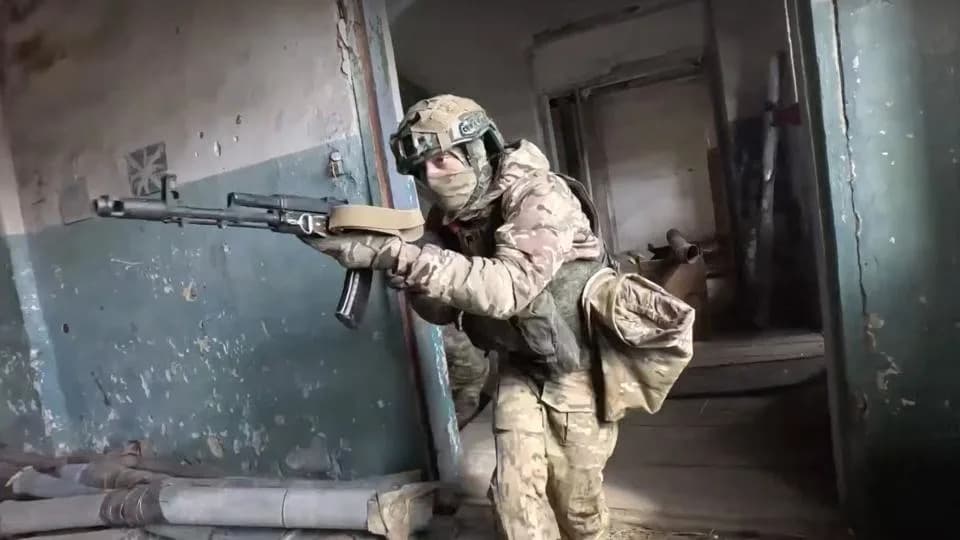
Image captured from video posted on Telegram by the Russian Ministry of Defense on April 18, 2026. The video shows an assault detachments of the 20th Combined Arms Army conducted training in urban operations.Social Media Capture
Footage posted by the Russian Ministry of Defense and reporting from analysts show Moscow shifting to small‑unit infiltration tactics supported by drones in an effort to penetrate Ukrainian “kill zones.” Videos dated April–June 2026 depict assault detachments training for urban operations and small teams establishing forward positions to launch and control unmanned aerial systems for localized air superiority.
Tactics Observed
Russian units are increasingly using teams of two to three soldiers to slip into the contested space between front lines—areas Kyiv and its partners call kill zones. These teams move quickly using urban cover or forested terrain to avoid detection, establish concealed forward outposts, and operate drones from those positions.
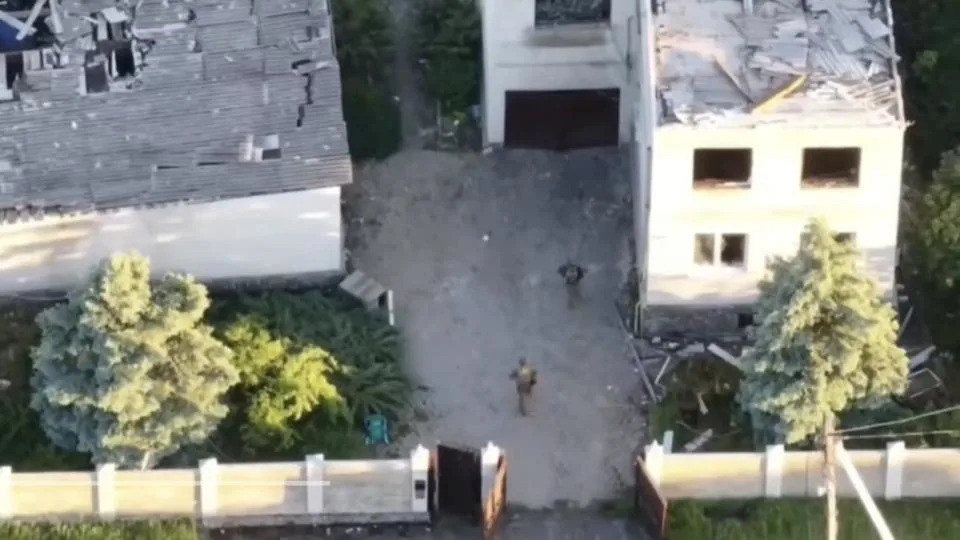
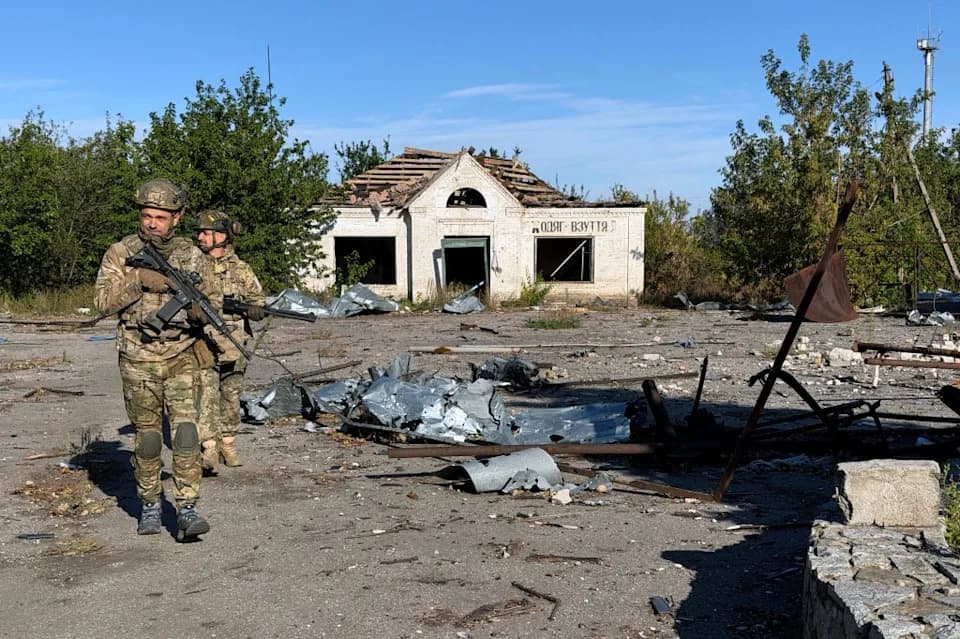
Image captured from video posted on Telegram by the Russian Ministry of Defense on June 6, 2026. The video shows a small assault unit moving in to take control of Shevchenko in the Kharkiv region.Social Media Capture
Drone Corridors
Multiple dispersed outposts create what analysts have termed a drone corridor: a localized zone in which Russian drones hunt Ukrainian UAVs, locate defensive positions, and provide overwatch for advancing assault elements. The Institute for the Study of War reported Russian penetrations of two to four kilometers in some sectors near Kostyantynivka as units pushed into southeastern suburbs and established forward positions.
Multi‑Directional Assaults
Once a drone corridor is in place, Russian forces—largely dismounted infantry, sometimes supported by ATVs and motorcycles—attempt multi‑directional assaults on lightly garrisoned towns. Drones provide real‑time reconnaissance and strike options to suppress defenders, mask troop movements from Ukrainian artillery and strike drones, and mark targets for indirect fire.
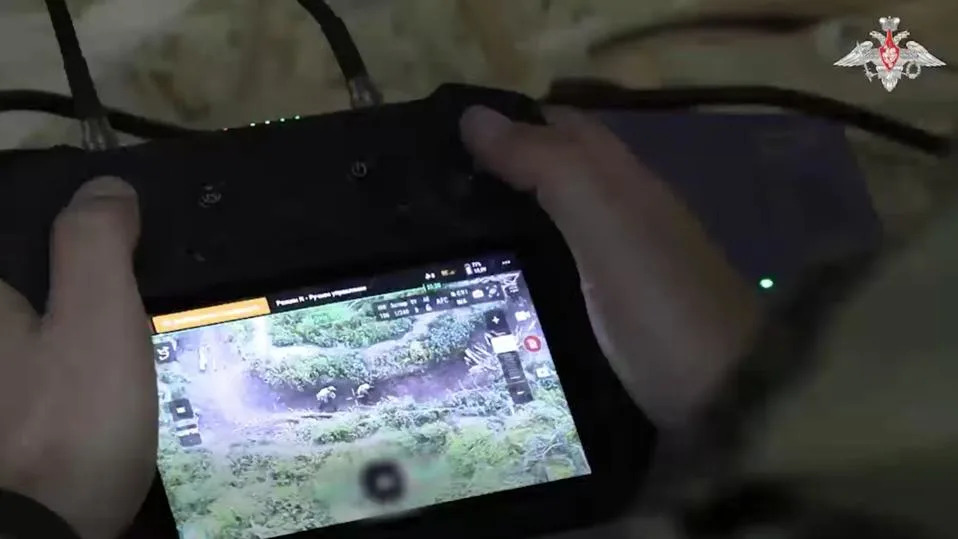
Image captured from video posted on Telegram by the Russian Ministry of Defense on June 11, 2026. The video a unit from the Vostok Group's conducting an assault in the Zaporozhye region. As they conduct the assault, a drone operator is providing them real-time support.Social Media Capture
Documented Examples
The Russian Defense Ministry has posted multiple clips showing these methods in action, including footage claiming captures or advances at Komsomolskoye, Shevchenko (Kharkiv region), Huliaipilske (near Orikhiv), and operations in the Zaporozhye region. Training videos from Sever and Tsentr marine groups also demonstrate embedding drones into small‑team assault drills.
Limitations And Ukrainian Counters
While these tactics have yielded local gains, they are unlikely to produce a decisive strategic breakthrough. Towns captured by such assaults often remain within larger Ukrainian kill zones and are vulnerable to counterbattery fire, strike drones, and artillery once their positions are exposed.
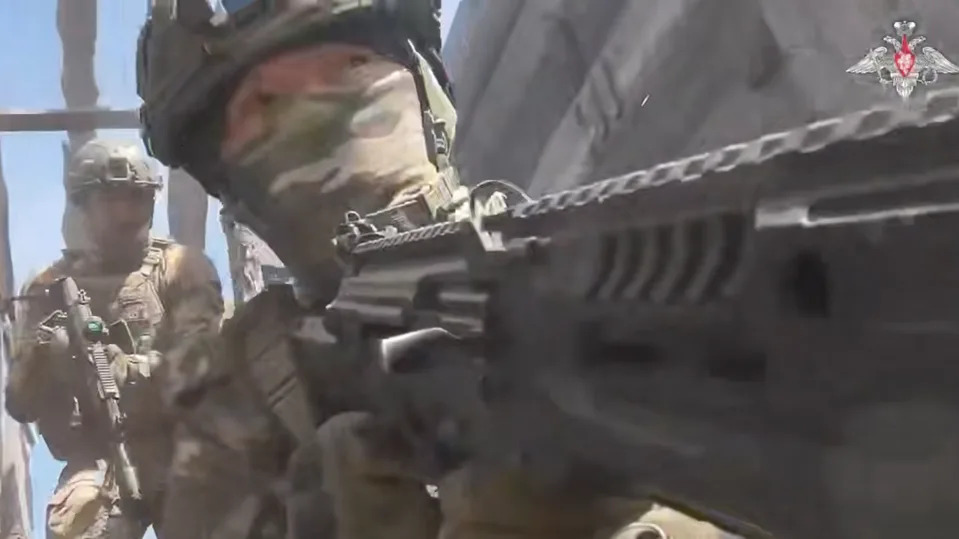
Image capture from a video posted on Telegram by the Russian Ministry of Defense on June 10, 2026. The video shows paratroopers training on assaulting positions as small teams.Social Media Capture
Ukraine is adapting: increased drone production can tighten kill‑zone coverage, improved electronic warfare and jamming can degrade Russian UAV operations, and better logistics—including ground robotics—can sustain forward garrisons and reduce their vulnerability to rapid Russian assaults.
Operational Takeaway
These developments illustrate how tactical innovation is shaping combat as much as raw force. Russia is trying to leverage smaller, more agile ground teams paired with growing drone assets to negate some defender advantages in urban and interdicted terrain. Whether this approach scales into sustained operational success depends on Kyiv’s ability to expand drone patrols, harden forward positions, and contest the airspace with EW and counter‑UAV measures.
Note: Images and clips referenced here come from Telegram posts by the Russian Ministry of Defense (April–June 2026) and are corroborated by analyst reporting.
Help us improve.