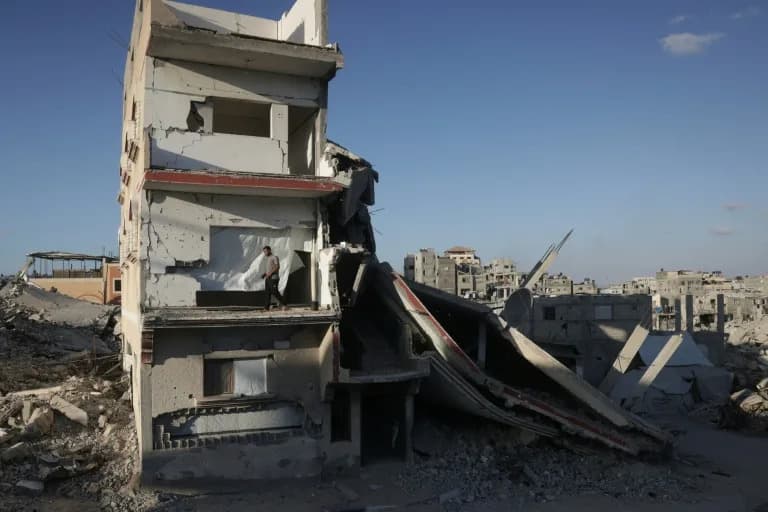
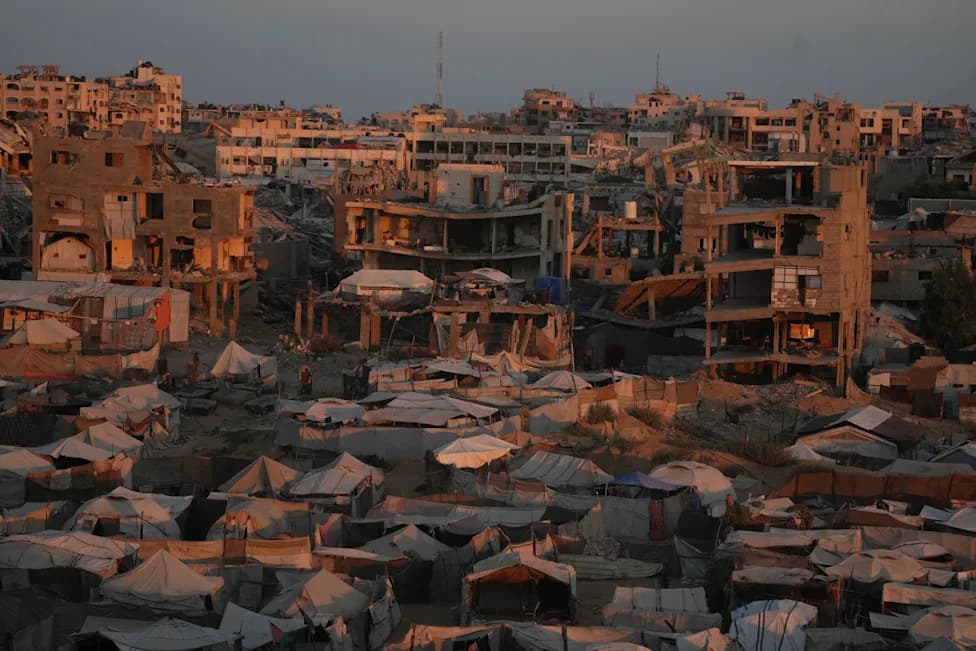
Organizers, many based abroad, are urging Gazans to join mass demonstrations on 26 June 2026 in a campaign called the June 26 Revolution demanding an end to Hamas rule. A recent UN inquiry documented 249 cases of serious abuses in Gaza over two years, including 108 deaths involving Hamas-affiliated forces. The protests come amid stalled talks on phase two of the September 2025 peace plan, worsening humanitarian conditions and increased Israeli pressure around the so-called yellow line.
Gazans Mobilize for 'June 26 Revolution' — Mass Protests Planned Against Hamas Amid UN Abuse Findings and Stalled Peace Talks
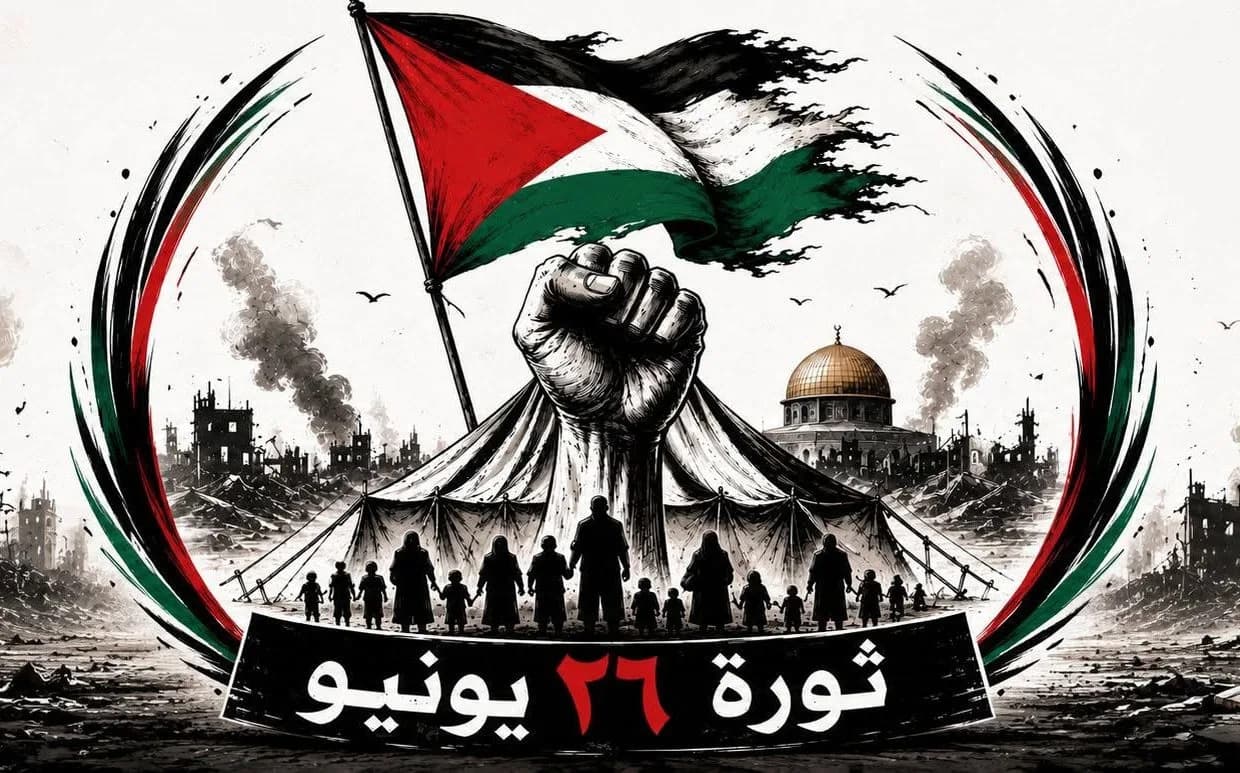
Gazans are encouraged to join the ‘revolution’ and call for Hamas to prioritise the citizens’ interests before its own
Residents of Gaza are preparing large public demonstrations on 26 June 2026 in a movement organizers call the June 26 Revolution. The campaign — reportedly initiated by Gazans living abroad — is urging people who remain in the enclave to gather in large numbers to demand an end to Hamas rule and greater accountability from those who govern the Strip.
The movement's Facebook page carries urgent language and has drawn growing support, despite the clear risks of openly opposing governing authorities inside Gaza. One message circulating on the page reads:
We are coming, we are coming, today or the day after tomorrow — you are destined to fall and depart.
On Tuesday, a UN inquiry reported that Hamas and affiliated police units in Gaza had beaten, maimed and publicly executed dozens of Palestinians over the past two years. The commission documented 249 cases in total; nearly a quarter of those involved Hamas-linked militants or police forces, including 108 deaths. The incidents described include executions, kneecapping, bone-breaking with metal objects and other forms of severe abuse, often framed by perpetrators as punishment for alleged collaboration, looting of humanitarian aid, theft, drug-related offenses or affiliation with internal rivals.
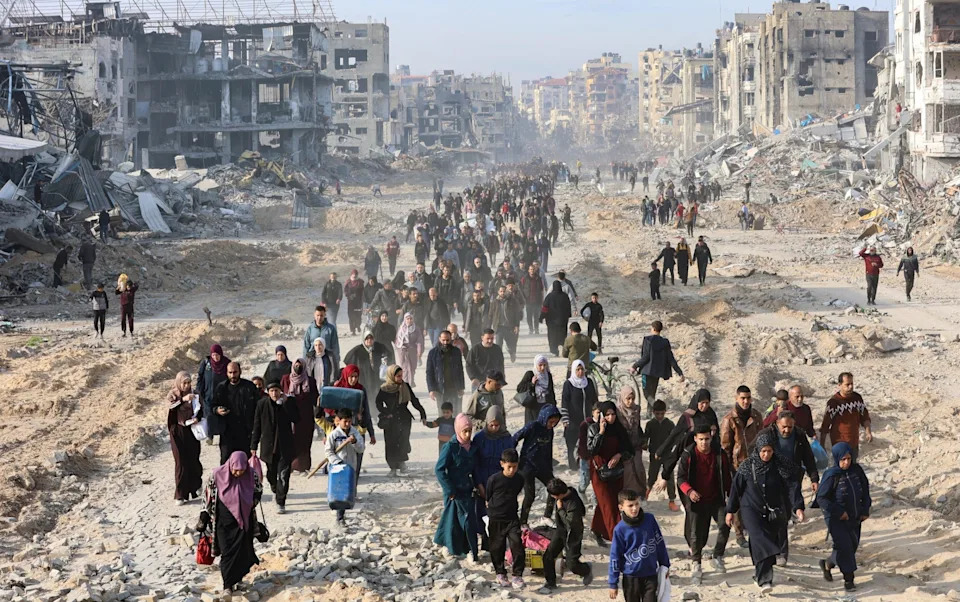
Rami Haroon, a resident in Gaza said: ‘The people of Gaza want to live; they want dignity, safety, and a future’ - Omar al-Qattaa/AFP/Getty Images
Supportive comments have proliferated on the Revolution's page. Rami Haroon, a Gaza resident backing the protests, told reporters the movement aims to signal a change in public sentiment:
They are shouting and venting their anger: Enough with the recklessness and the trading of our lives and our future. We want dignity, safety and a future.
The call to protest comes against a backdrop of stalled diplomacy. Phase two of Donald Trump’s September 2025 peace plan — which envisions Hamas disarming, an Israeli withdrawal from the Strip, installation of a technocratic Palestinian government and the start of reconstruction — has made little progress. Negotiations have been deadlocked for months over the pace and oversight of any demilitarization.
Humanitarian conditions remain dire. Since the ceasefire announced on 10 October last year, more than 970 Gazans have reportedly been killed by Israeli munitions, while five Israeli soldiers have died in the same period. Aid deliveries remain far below the initially promised 600 trucks per day, and hundreds of thousands of people continue to live in tents and improvised shelters with limited access to food and water.
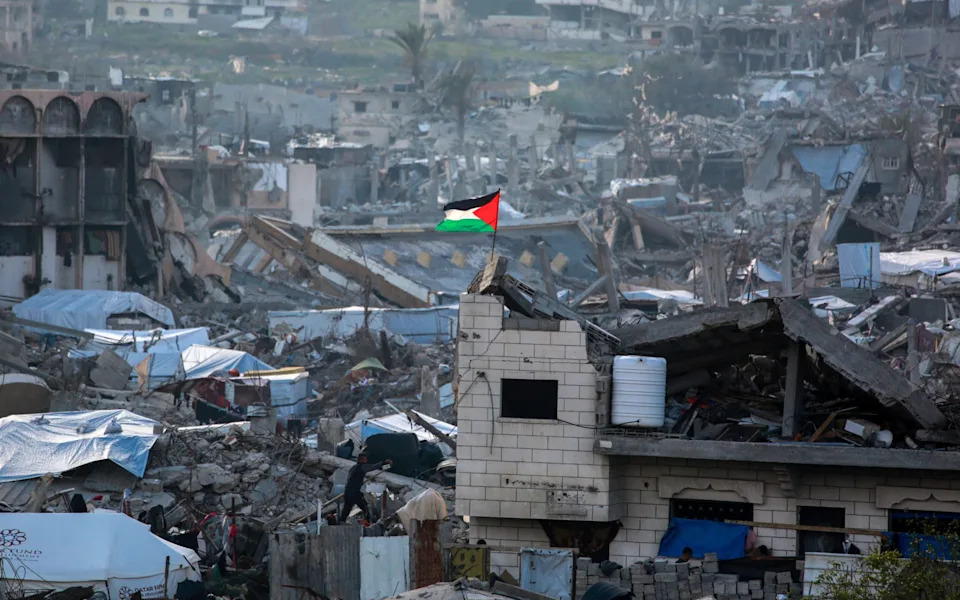
Anger and frustration among Gaza’s population have been rising after the failure of Israel and Hamas to agree on a peace plan - Bashar Taleb/Getty Images
In recent weeks Israeli authorities have said they plan to expand control of the Strip from 50% to 70% of its territory. The Israel Defense Forces have been tightening the area in which civilians may live, as measured by the so-called yellow line, a step residents say is pushing families from their homes. Ahmed al-Zumar, from al-Maghazi camp, told reporters:
For about two weeks the army has escalated actions next to the yellow line to force us to flee. We are supposed to be in a ceasefire phase, but we haven't experienced a moment of peace.
Diplomatic efforts have continued in Cairo, where mediators from Qatar, Egypt, Turkey and representatives linked to Mr Trump have sought a compromise. Clause 13 of the original agreement envisioned a demilitarization process under independent monitors and an agreed decommissioning process. Some reports from regional outlets suggest Palestinian factions, including Hamas, have signaled willingness in principle to place certain weapons under a single Palestinian authority as part of a gradual Israeli withdrawal. However, significant disagreement remains about timelines, verification and whether weapons handovers can be trusted.
Official Israeli statements call for immediate surrender of all Hamas arms, a position that complicates talks. Implementation oversight has been assigned to Bulgarian diplomat Nikolay Mladenov, but ultimate political decisions rest with the Board of Peace and its chair. Political calculations in Israel, an impending general election and wider regional tensions, including US-Iran dynamics, are further complicating the prospects for a rapid settlement.
As diplomats continue negotiations, organizers in exile and supporters inside Gaza are urging mass peaceful demonstrations. Observers warn that public protests in Gaza carry substantial risks for participants, given the security environment and reported reprisals. Still, for many residents the immediate driver is the collapse of living conditions and impatience with both the governing authorities and the slow pace of international diplomacy.
Help us improve.