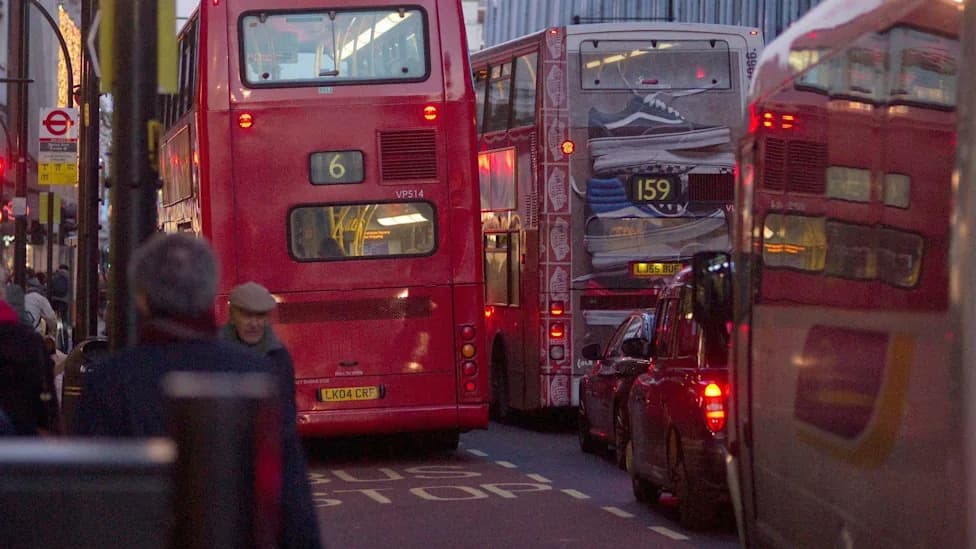
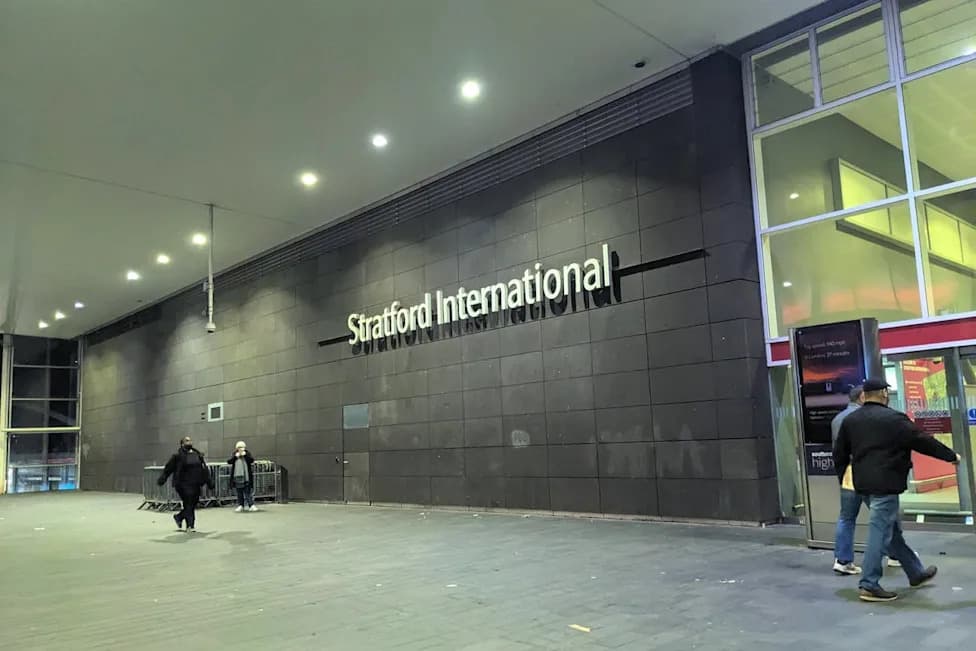
TfL plans to have mobile signal at every London Underground station by the end of 2026. Around 60% of underground stations already have 4G/5G, and recent rollouts include tunnel sections on the Bakerloo and Metropolitan lines plus extensions on the Circle and District. Major hubs such as King’s Cross, Victoria and Paddington will be upgraded in phases, and the expanded network will also support the Emergency Services Network for first responders.
TfL to Deliver Mobile Signal Across Entire London Underground by End of 2026

Around 60 per cent of underground stations now have mobile signal (TfL)
Transport for London (TfL) has confirmed it aims to provide mobile connectivity at every London Underground station by the end of 2026, expanding 4G and 5G coverage across tunnels and busy stations.
What TfL Is Rolling Out
TfL says roughly 60% of underground stations already have 4G/5G signal, and recent activations have extended coverage further. New tunnel coverage has gone live on the Bakerloo line between Queen's Park and Edgware Road, and on the Metropolitan line between Euston Square and King’s Cross St Pancras as well as between Barbican and Moorgate.
Additional extensions on the Circle and District lines include the stretches between Cannon Street and Monument, Sloane Square and Victoria, and Bayswater and Paddington. Several busy stations — including Vauxhall, Temple, Nine Elms and Gloucester Road — have also recently been switched on.
Major Hubs and Timelines
Large transport hubs such as King’s Cross St Pancras, Victoria and Paddington will be upgraded in phases because of their size and complexity, with initial work prioritising ticket halls and platforms. TfL also expects the vast majority of tunnels on the Northern, Bakerloo and Metropolitan lines to have coverage by the end of this summer (TfL’s schedule).
Who’s Involved
All four major mobile operators — Three, EE, Vodafone and Virgin Media O2 — are participating in the rollout, alongside Boldyn Network, which is acting as a neutral host to help deliver consistent coverage across the network.
Benefits and Emergency Services
Reliable mobile signal on the Tube will allow passengers to stay connected, receive real-time service updates and access journey information while travelling. The expanded network will also host the Emergency Services Network (ESN), enabling first responders to access data, images and live information more quickly during incidents and emergencies.
Context: Ofcom Findings
The rollout follows a recent intervention by regulator Ofcom, which urged rail operators to improve connectivity after tests showed poor mobile performance on many train routes. Ofcom’s measurements across 24 key rail segments in Great Britain found between 58% and 83% of tests showed poor mobile performance, depending on route and provider. One low-scoring intercity stretch highlighted was Basingstoke to Coventry (via Reading and Oxford), where all four operators recorded very low performance for much of the journey.
TfL says the continued rollout forms part of a broader effort to modernise rail connectivity and improve the passenger experience across the capital.
Help us improve.