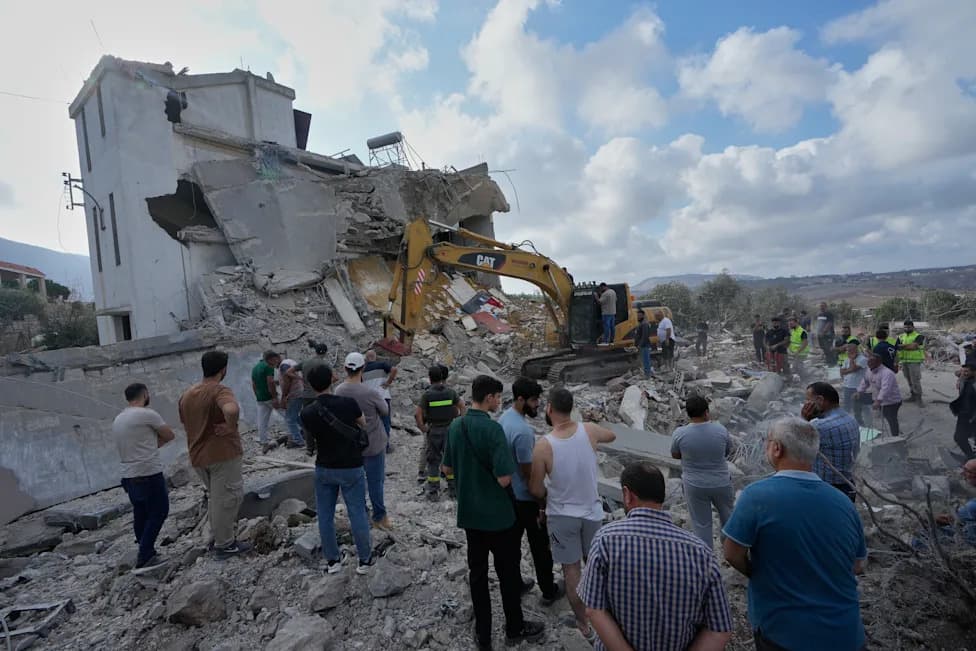
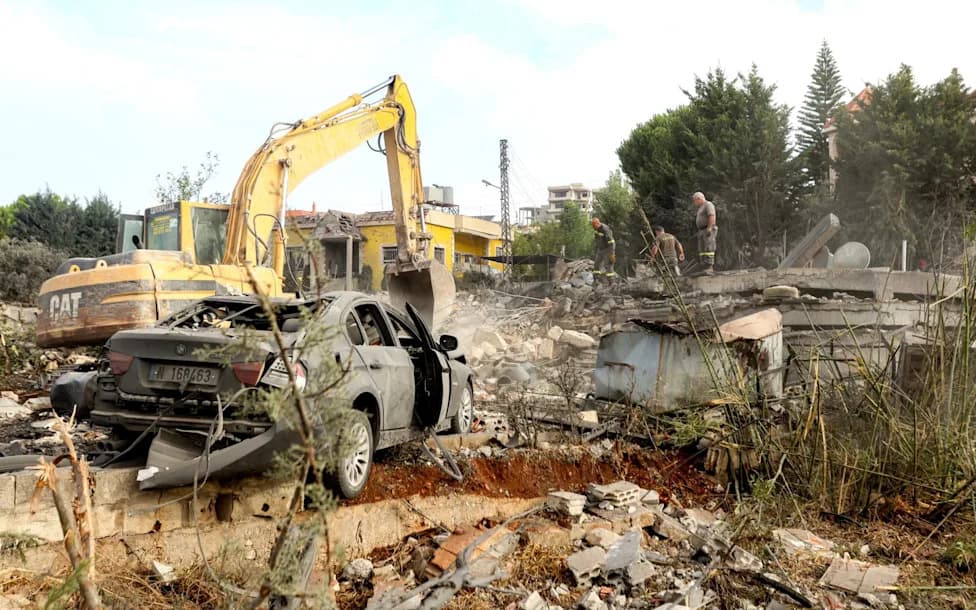
Israeli air and drone strikes in southern Lebanon have killed at least 17 people, with nine fatalities reported in Tayr Debba and others in nearby towns, Lebanese state media say. Hezbollah said it retaliated against Israeli forces, while the UN is dispatching a human rights team to investigate alleged violations since March. Lebanon faces heavy casualties and widespread displacement amid continued cross-border exchanges between Israel and Iran despite a US-brokered ceasefire in April.
At Least 17 Killed in Israeli Airstrikes Across Southern Lebanon, UN Sends Human Rights Team
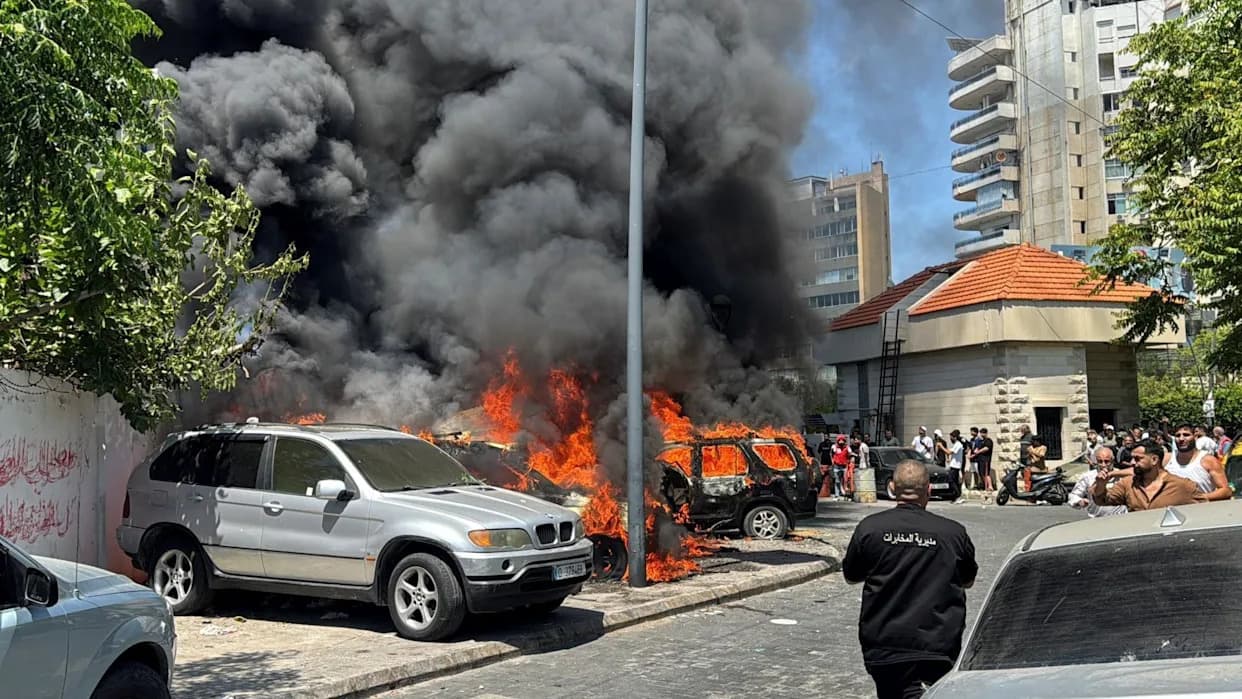
Two people were reportedly killed in a strike on a car in the southern city of Sidon [Reuters]
Israeli air and drone strikes have killed at least 17 people in southern Lebanon, Lebanese state and local media report. The National News Agency (NNA) said nine people died in a series of strikes on the town of Tayr Debba.
According to NNA, Israeli jets and drones carried out at least four strikes in Tayr Debba, east of the port city of Tyre. Separate strikes killed three people in Deir Qanoun el-Nahr and two in Seddiqin, southeast of Tyre. Local reports also said one person was killed in the Massaken al-Shaabiya area of Tyre.
There was later an attack in the centre of Sidon, the coastal city midway between Tyre and Beirut. An AFP correspondent reported hearing an explosion and seeing a burning car; rescuers pulled two people from the vehicle, who later died. NNA said the vehicle had been struck by an Israeli drone.
The Lebanese health ministry said strikes in Massaken al-Shaabiya and other parts of Tyre on Tuesday killed 11 people. The Israeli military issued a fresh evacuation order for Tyre that, for the first time, included the city's Christian quarter. The Israeli military has not commented publicly on the latest strikes but earlier said it struck six Hezbollah infrastructure sites in Tyre and targeted ready-to-use launchers elsewhere in southern Lebanon.
Hezbollah, the Iranian-backed armed group, said its fighters had targeted concentrations of Israeli troops and military vehicles in the southern Bayada and Yohmor areas with rocket and artillery fire.
UN Response: On Wednesday, UN human rights chief Volker Türk announced that, at the request of the Lebanese government, he was sending a team of investigators to Lebanon to examine possible human rights violations by all parties since early March. The team is expected to present findings at the end of July; evidence collected could be used in future prosecutions for alleged war crimes. Israel has been informed of the mission, but its level of cooperation remains unclear.
Wider Context: Lebanon was drawn into the broader confrontation between Israel and Iran in early March after cross-border exchanges escalated following an Israeli strike that Lebanon and Iran said had killed a senior Iranian commander. Israel then launched a bombing campaign across Lebanon and moved into parts of the south. Lebanon's health ministry says at least 3,696 people have been killed during the conflict. Israeli authorities report dozens of military and civilian deaths on both sides of the border.
The clashes have produced a major humanitarian crisis: nearly one million people in Lebanon—about one fifth of the population—remain displaced, and the UN estimates 1.4 million people need humanitarian assistance.
Earlier exchanges between Israel and Iran included the firing of ballistic missiles by Iran and reciprocal Israeli strikes, marking a sharp escalation in regional tensions. Despite a US-brokered ceasefire between Israel and Lebanon on 16 April, hostilities have continued intermittently.
This developing situation remains volatile. Reporters and officials cite differing casualty figures and claims from each side; international observers urge restraint and accountability as investigations proceed.
Help us improve.