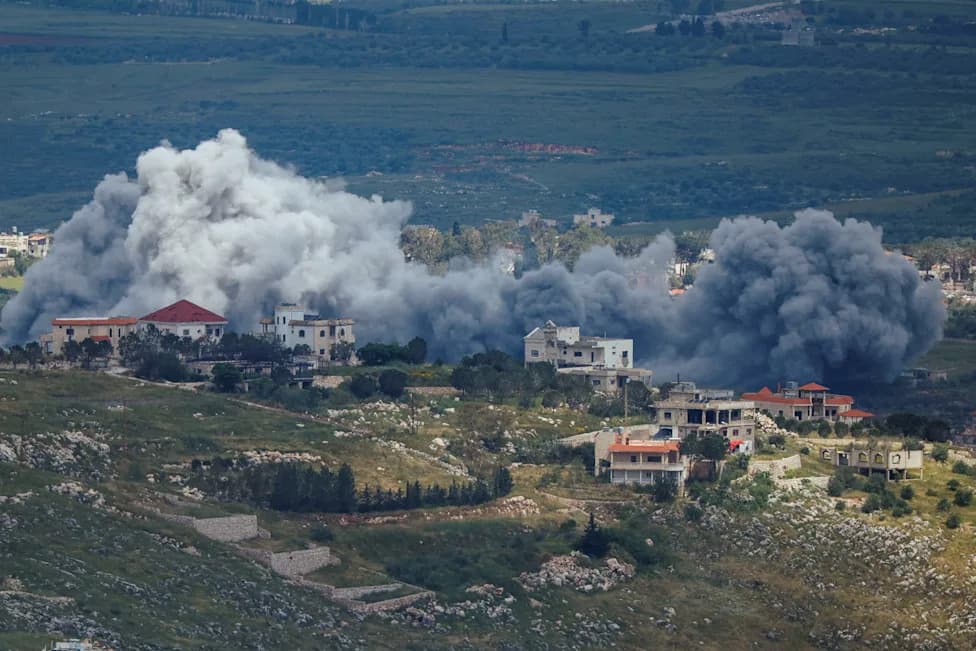
Bezalel Smotrich has reportedly proposed that Israel respond to each Iranian missile by striking 20–30 buildings in Beirut’s Dahiyeh, a Hezbollah stronghold. He argued such rapid strikes would be a more efficient deterrent than direct action against Iran and suggested they could amount to the destruction of 1,000–2,000 buildings. The proposal has strategic implications and raises potential humanitarian and legal concerns. It was reported as a proposal to the Security Cabinet, not a finalized policy.
Smotrich Proposes Striking 20–30 Buildings In Beirut’s Dahiyeh For Every Iranian Missile

Israeli Finance Minister Bezalel Smotrich holds a press conference at the Finance Ministry in Jerusalem, May 19, 2026. (photo credit: YONATAN SINDEL/FLASH90)
Finance Minister Bezalel Smotrich has reportedly told Israel’s Security Cabinet that the country should respond to each Iranian missile fired toward Israel by striking 20–30 buildings in Dahiyeh, the southern suburb of Beirut known as a Hezbollah stronghold.
Details Of The Proposal
According to reports on Monday, Smotrich argued that targeting Hezbollah positions in Beirut would be a swifter and more effective response than carrying out direct strikes on Iran. He is said to have suggested that destroying between 1,000 and 2,000 buildings in Dahiyeh would both strengthen Israel’s security posture and create a lasting deterrent within Lebanon.
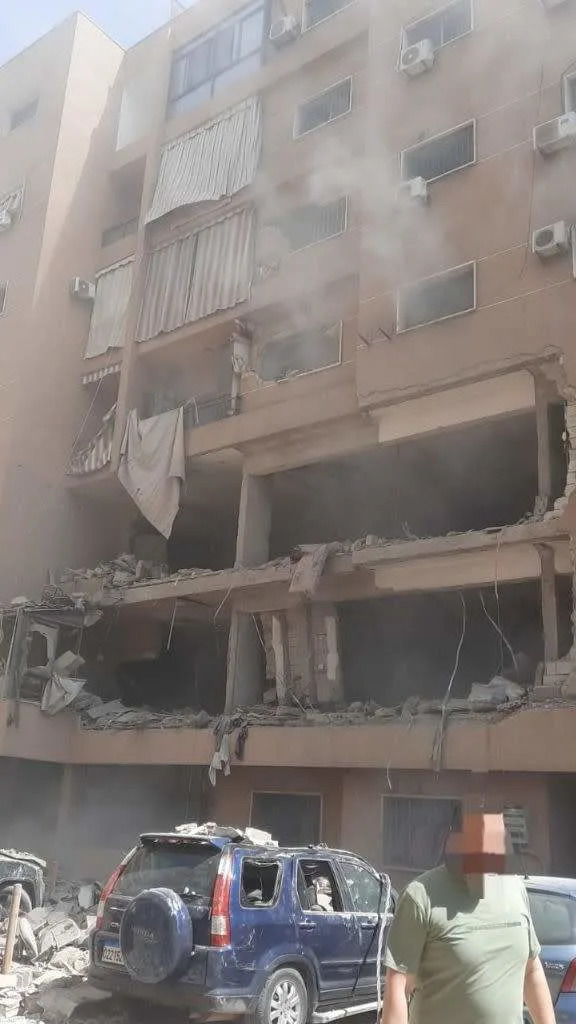
An apartment building that was hit during IDF strikes in Dahiyeh, Beirut, on June 7, 2026. (credit: SECTION 27A COPYRIGHT ACT)
Dahiyeh was struck by the IDF on Sunday, an action Tehran cited as a trigger for subsequent waves of missile launches toward Israel that same evening. Smotrich reportedly framed his proposal as a way to influence Tehran’s calculations about its ties to Lebanon and Hezbollah.
"An exchange of fire between Iran and Israel is a more challenging response that requires a 3-4 hour flight, which is a waste of capacity on a relatively 'small' event," Smotrich said.
"Instead, you have five minutes to respond against Hezbollah targets in Beirut in what would be a 'creative response,'" he added.
Implications and Reaction
The proposal, as reported, raises significant strategic and humanitarian questions. While Smotrich framed the measure as a deterrent and a more efficient use of military resources, such wide-scale strikes in urban areas could carry severe civilian consequences and would likely draw international scrutiny and legal debate.
At this stage the plan is described in media reports as a proposal to the Security Cabinet; it is not a confirmed policy. Officials and analysts may offer differing assessments of its feasibility, legal standing and potential impact on regional stability.
Help us improve.