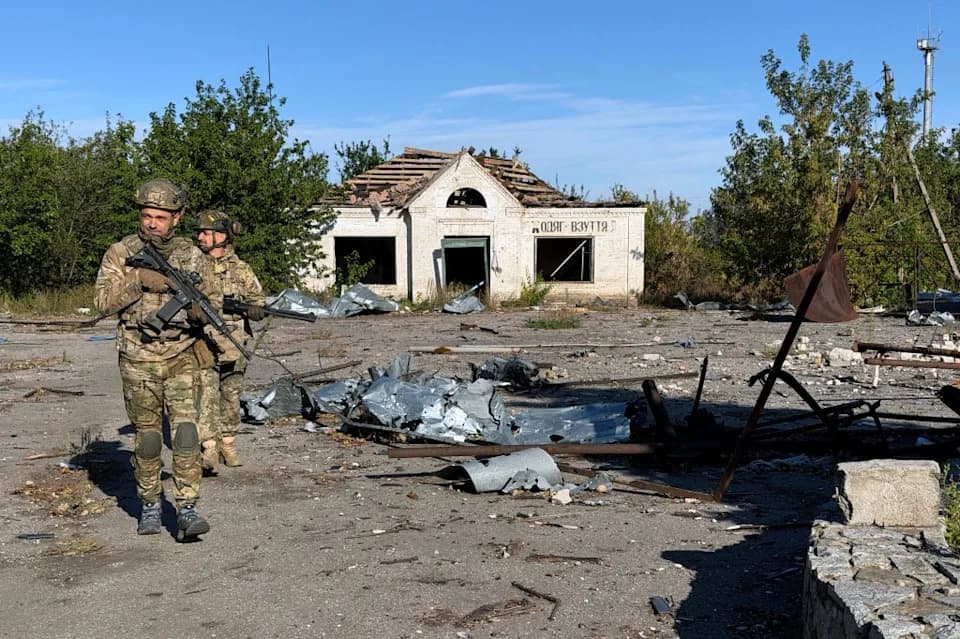
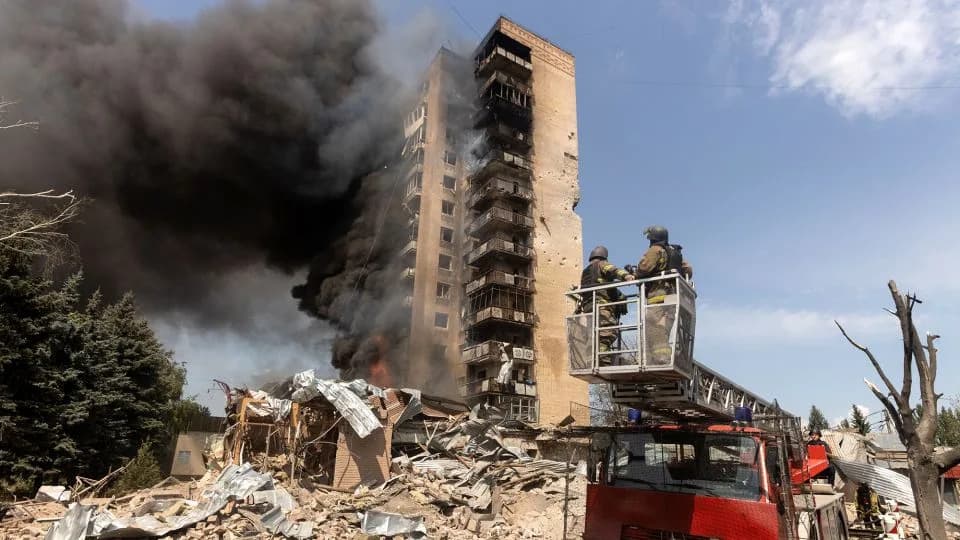
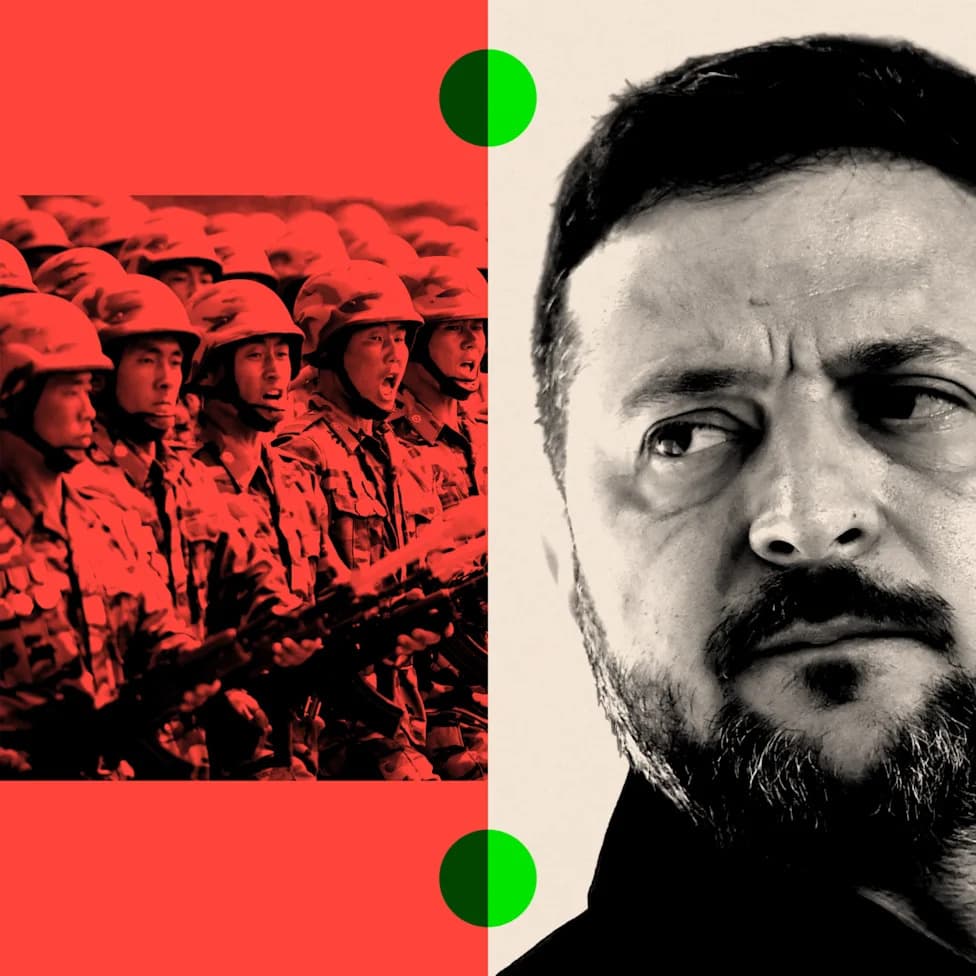
Armies often fail not in a single decisive battle but through an accumulation of failures across leadership, logistics, manpower and morale until a tipping point produces rapid collapse. Historical cases—Tsarist Russia (1917), Germany (1918), Japan in Burma (1944) and South Vietnam (1975)—illustrate how overreach, supply breakdowns and political collapse trigger routs. Many of those warning signs—corruption, poor command, logistics stress and falling morale—are visible in Russia’s campaign. Ukraine’s strategy aims to exploit these weaknesses by degrading logistics, energy infrastructure and senior leadership to make continued fighting unsustainable.
How a Russian Military Collapse Could Unfold: Lessons From Past Armies
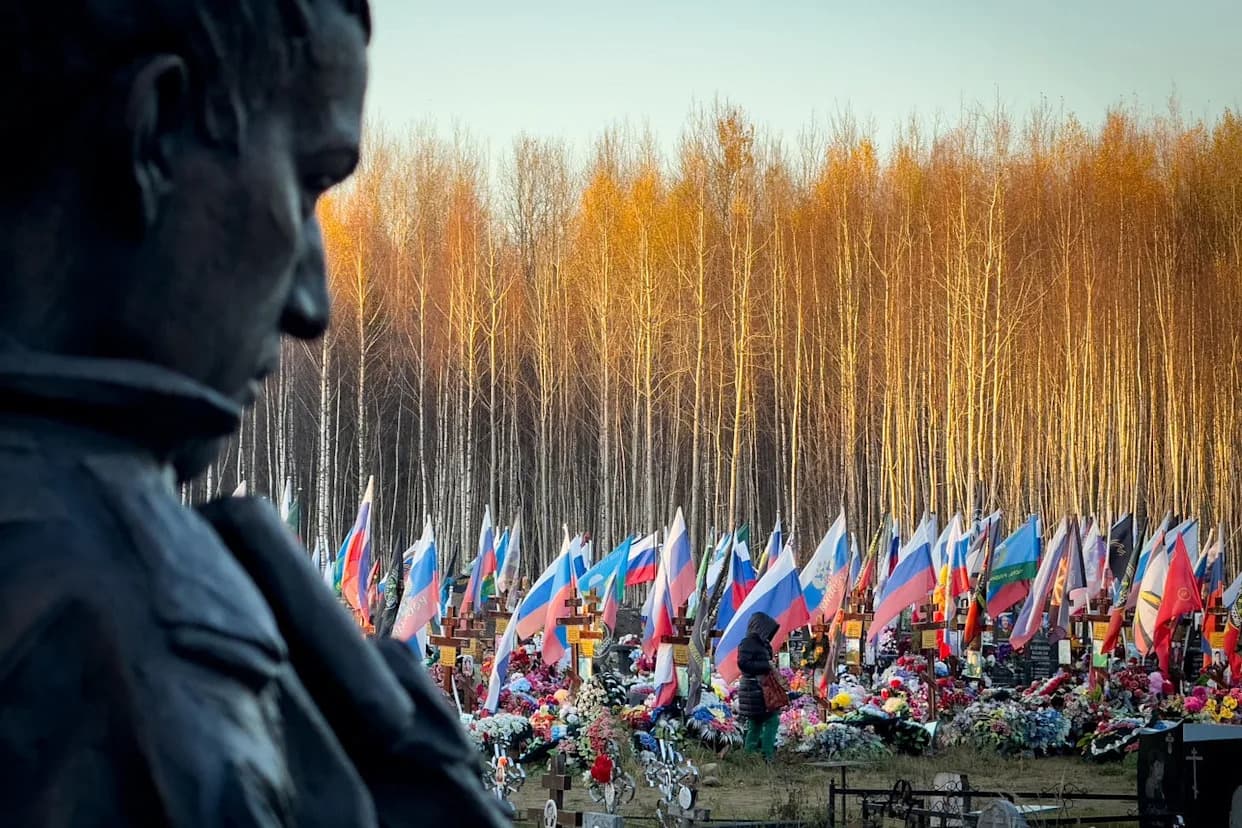
“Gradually, then suddenly.” Hemingway’s line from The Sun Also Rises captures how armies often fail: not in a single moment but from an accumulation of leadership, logistical, manpower and morale failures until a tipping point produces rapid collapse.
Introduction
The high‑intensity phase of the war in Ukraine since Russia’s full‑scale invasion in February 2022 has already lasted longer than World War I and may yet exceed World War II in duration. Many analysts long assumed the conflict would remain a grinding stalemate of drones, trenches and attrition. But history shows that stalemates can end when one side’s material capacity or popular will unravels.
Historical Examples That Offer Lessons
Tsarist Russia, 1914–1917
Russia entered World War I with massive manpower but weak industrial and logistical foundations. After early disasters such as Tannenberg, poorly trained conscripts and inadequate rail and supply systems left the army unable to sustain modern large‑scale warfare. Tsar Nicholas II’s assumption of personal command, the appointment of loyalists over professionals, and the regime’s political collapse in 1917 produced mass desertion and the disintegration of combat power.
Germany, Spring–Autumn 1918
Following the Treaty of Brest‑Litovsk, Germany shifted some 600,000–800,000 troops from east to west and launched a spring offensive that nearly reached Paris. The advance outran logistics, exhausted an economy under blockade, and was blunted by fresh American forces. Germany suffered roughly a million irreplaceable casualties in 1918 and faced internal shortages and strikes that accelerated collapse.
Japan In Burma, 1944
In early 1944 Lt. Gen. Renya Mutaguchi launched Operation U‑Go with about 90,000 men but planned only roughly twenty days of supplies. Assuming his troops could live off the land, he instead sent units into starvation, disease and overextended lines. Catastrophic defeats at Kohima and Imphal left only about 12,000 survivors — roughly an 87% casualty rate — and the Japanese Burma Army never recovered.
South Vietnam, 1975
After U.S. forces withdrew following the 1973 Paris Accords, North Vietnam prepared for a decisive 1975 offensive. A chaotic March withdrawal from the Central Highlands turned into a rout as civilians and soldiers jammed a single southbound highway. With U.S. aid sharply reduced, widespread logistical shortages, endemic corruption and collapsing morale, Saigon fell on April 30, 1975.
Common Pathways To Collapse
All four cases began from positions of relative strength yet unraveled quickly because multiple failures interacted: poor strategic leadership produces operational mistakes that strain logistics; corruption depletes materiel and erodes trust; shortages and punitive discipline sap morale; failed offensives exhaust manpower and confidence. No single factor is decisive; collapse is usually the product of cascading, mutually reinforcing failures.
Why Russia Shows Warning Signs
Many classic indicators of military failure are visible in aspects of Russia’s war effort:
- Leadership Problems: Centralized political pressure for constant progress, overpromised objectives and a system that discourages candid reporting create poor decisions and surprise at the operational level.
- Corruption And Waste: Misallocated funds, suspicious procurements and diversion of resources undermine readiness and sustainment.
- Manpower And Morale: Reports of abuse, extortion and harsh discipline, combined with heavy casualty rates from probing assaults, damage combat effectiveness and recruitment.
- Logistics And New Vulnerabilities: Ukrainian innovations — long‑range strikes, FPV drones hitting transport 100–150 km from the front, and drone‑enabled highway mining — have increased interdiction risks. Fuel shortages and local rationing have been reported in some rear areas, and public commentary by Russian milbloggers highlights logistical anxiety.
Ukraine’s Theory Of Victory
Kyiv’s public strategy appears to accept that decisive territorial breakthroughs are unlikely in the short term and instead seeks to make the Russian war effort unsustainable. That approach focuses on: (1) inflicting attritional casualties Russia cannot replace, (2) striking logistics and energy infrastructure to degrade supply and the domestic economy that sustains the army, and (3) targeting senior officers and symbolic centers to erode leadership and morale. Well‑timed strikes near political and economic events aim to widen doubts among Russian civilians, elites and soldiers.
Outlook
It is impossible to predict with certainty whether Russia will collapse. The force has repeatedly confounded expectations and retains significant capacities. Yet many conditions that have preceded past collapses now exist to varying degrees: leadership strain, corruption, logistical pressure, manpower shortages and morale problems. If those pressures intensify and interact, the result could be a rapid unravelling: gradually and then suddenly.
Help us improve.