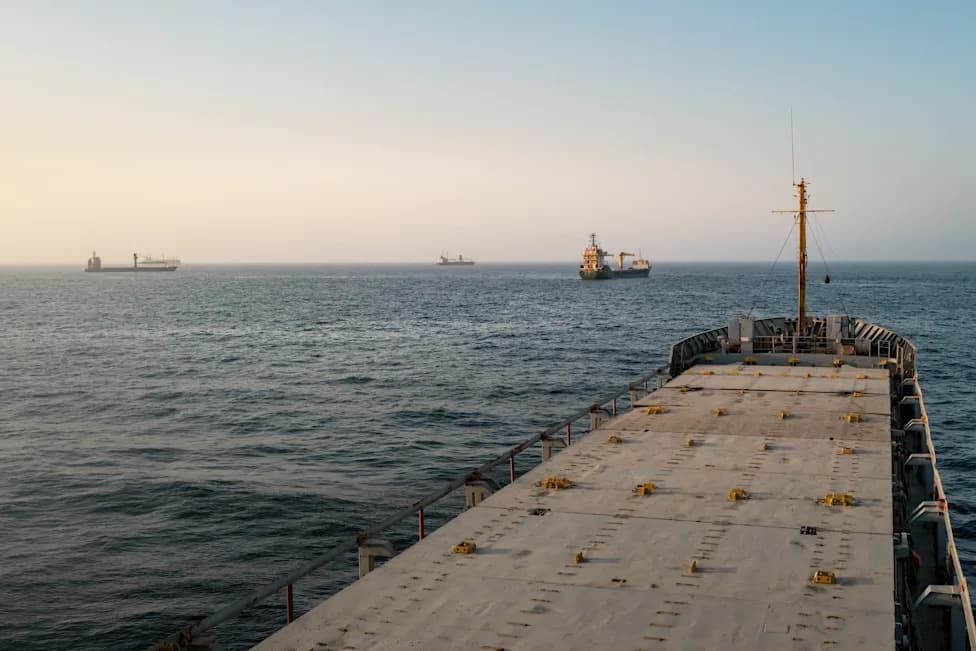
Key takeaway: Iran says the Strait of Hormuz will stay open but will operate under new, jointly determined conditions with Oman that could include transit fees. Tehran’s comments suggest a plan to monetize services tied to passage, though fee details and Oman's level of participation remain unclear. The announcement comes amid heightened regional tensions that have constrained oil and LNG flows and pushed up energy and shipping costs.
Iran and Oman to Set New Transit Conditions and Fees for the Strait of Hormuz
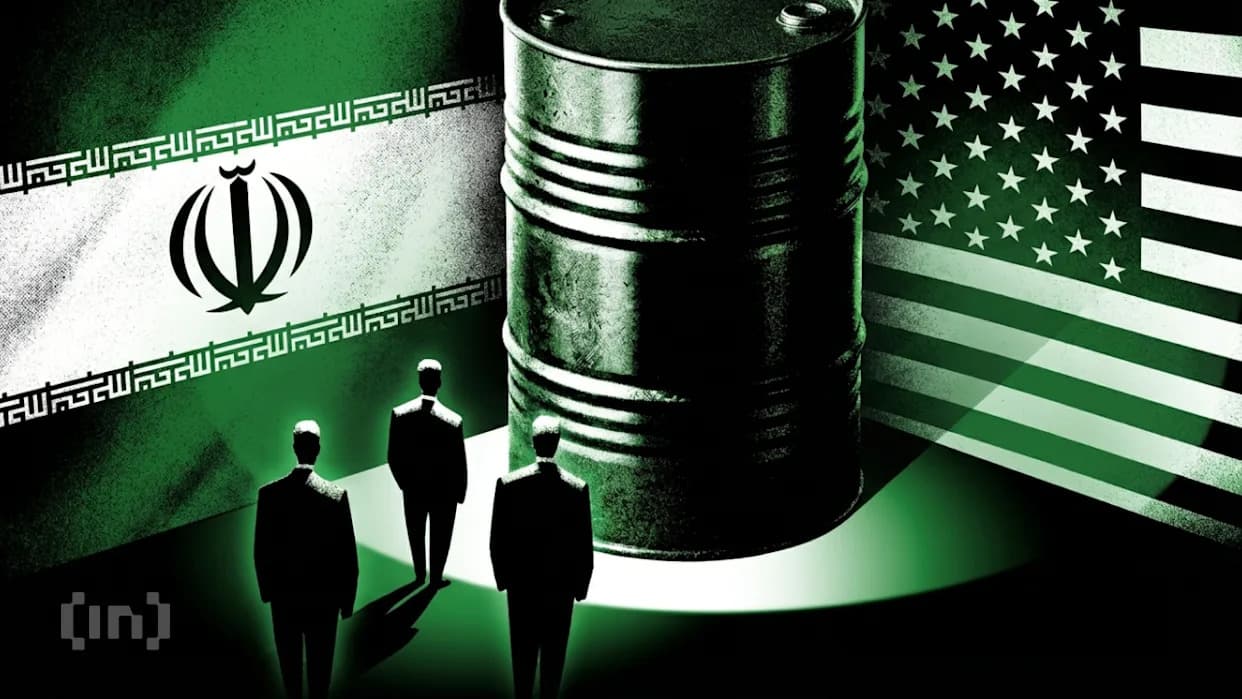
Photo by BeInCrypto
Iran's ambassador to Moscow, Kazem Jalali, told the Russian newspaper Izvestia that the Strait of Hormuz will remain open to shipping but that access will be governed by new conditions jointly determined by Iranian and Omani authorities — including transit fees.
Jalali said Iran and Oman "provide certain services related to this strait" and that charges would be applied for those services, but he did not provide details on how fees would be structured or collected.
"Of course, this strait will be open, but with new conditions to be determined by the Iranian and Omani authorities," Jalali told Izvestia. "We understand that Iran and Oman provide certain services related to this strait. And fees will be charged for those services."
The proposal reportedly drew opposition from the United States, which warned Oman in late May against joining any fee scheme. The report also cited a denial from Oman's ambassador that Muscat had agreed to such a plan. Independent verification of all details reported to date is limited.
This is not the first time Tehran has suggested monetizing passage through Hormuz. In April, Iranian officials said they might impose transit tolls on oil tankers payable in cryptocurrency; a spokesperson for Iran's Oil, Gas and Petrochemical Products Exporters' Union mentioned Bitcoin as a potential payment method.
Comments about new transit rules come amid heightened regional hostilities since late February that have disrupted flows through the strait. Before the escalation, the Hormuz corridor carried roughly one-fifth of the world's seaborne oil shipments and a comparable share of liquefied natural gas (LNG).
Disruptions have supported higher energy prices. The report noted Brent crude trading near $97 a barrel after recent regional incidents, and said oil and LNG shipments remain tightly constrained.
The effects extend to global trade and shipping: spot rates for a 40-foot container from Asia to the U.S. West Coast rose about 20% in a week to roughly $3,933, while rates to Northern Europe jumped roughly 27% to about $3,649. Market commentators cited in the report said Asia-to-U.S. container rates have climbed significantly since the escalation began, and analysts expect further pressure as importers rebuild inventories in July and August.
What’s unresolved: Precise details about proposed fees, how they would be enforced, whether Oman has formally agreed, and the mechanics of any cryptocurrency payments remain unclear. International responses and potential legal or commercial challenges could shape how — or whether — any new scheme is implemented.
Follow-up: Watch for official statements from Iran and Oman, any clarifications from Muscat, and responses from shipping companies and international trade bodies as more information becomes available.
Help us improve.