The Reproductive Healthcare Leave Act, part of the HER Agenda, would provide up to 12 paid days annually for menstrual pain, abortion recovery, menopause/perimenopause and miscarriage. Supporters say it protects workers from choosing between health and pay; critics warn a gender‑specific mandate could deter hiring, depress wages and undermine pay‑equity goals. Alternatives such as gender‑neutral medical leave or employer incentives may address health needs with fewer economic risks.
Paid Period Leave: A Well‑Intentioned Policy That Could Backfire for Women’s Employment

Rep. Yassamin Ansari, D-Arizona, at the U.S. Capitol on March 18, 2026, in Washington, DC.
Summary: A recent proposal from a group of Democratic lawmakers would require employers to provide paid leave for menstrual pain and other reproductive health events. While supporters frame the measure as a necessary protection for workers, critics warn it could create unintended economic consequences for women in the workplace.
The Reproductive Healthcare Leave Act, introduced in March as part of the Health, Equity, and Rights (HER) Agenda, would allow up to 12 days of paid leave per year to cover menstrual pain, abortion recovery, menopause and perimenopause symptoms, and miscarriage. The measure is led publicly by Rep. Yassamin Ansari (D‑Ariz.) and has the backing of nearly 30 House Democrats.

Rep. Adelita Grijalva, D-Arizona, addresses a House hearing on April 28, 2026, in Washington, DC.
What the Bill Would Do
The proposed statute would provide a defined amount of paid time off tied specifically to reproductive health needs. Proponents say this recognition would address an underappreciated source of pain and lost income for many workers. Opponents argue the gender‑specific design risks becoming a de facto cost on hiring and compensation decisions.
Support and Endorsements
Supporters include Rep. Adelita Grijalva and Rep. Rashida Tlaib, who at a May news conference framed the issue in economic and health terms. Rep. Grijalva warned that forcing a worker to choose between paying rent and missing pay to recover from a serious gynecological condition is unfair, and Rep. Tlaib emphasized that no one should have to choose between their paycheck and their health.

Rep. Rashida Tlaib, D-Michigan, waves in a Memorial Day parade in Dearborn on May 25, 2026.
Rep. Adelita Grijalva: “Forcing a worker to choose between paying her rent or losing a day’s pay to recover from a grueling gynecological procedure is not a choice.”
Rep. Rashida Tlaib: “No one should have to choose between their paycheck and their health to be able to manage that kind of incredible pain.”
The bill has been endorsed by progressive organizations including Planned Parenthood, the National Organization for Women, Reproductive Freedom for All, and the Democratic Women’s Caucus.
Concerns and Potential Consequences
Critics contend that a policy mandating gender‑specific paid leave could have several unintended effects: employers might become more reluctant to hire people who could use the leave, firms may restructure pay or hours to offset costs, and wage compression or reduced opportunities could follow—outcomes that would work against the broader goal of pay equity.
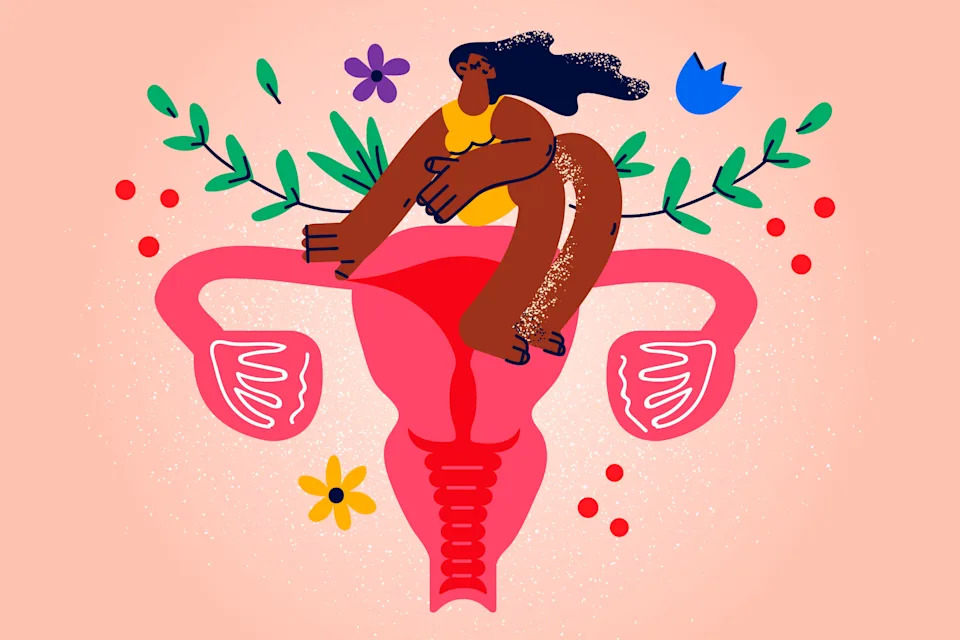
Nearly 30 Democratic members of the U.S. Congress in March 2026 introduced legislation that would mandate paid time off for women who are on their period, among other reproductive-related occurrences.
Those concerns echo longstanding debates about targeted workplace mandates: even well‑meaning regulations can influence hiring practices and compensation in ways that disproportionately affect the very groups they aim to help.
Political and Social Context
The debate appears amid broader intra‑party tensions over how to balance biological sex and gender identity in public policy. For example, lawmakers have clashed over fairness in women’s sports and inclusion policies. Local efforts, such as a June 17 event in Boston promoted by the mayor’s Office of LGBTQIA2S+ Advancement to highlight menstrual equity and the experiences of trans menstruators, illustrate the evolving and sometimes contested public conversation.
Conclusion
Recognizing reproductive health needs in the workplace is important. However, imposing a gender‑specific paid‑leave mandate carries tradeoffs that merit careful analysis. Policymakers could consider alternatives—such as gender‑neutral paid medical leave, enhanced short‑term disability, flexible scheduling, or targeted employer tax incentives—that address health needs while minimizing hiring or wage disincentives. Thoughtful policy design can aim to protect workers’ health without creating avoidable economic side effects.
About the Author: Ingrid Jacques is a columnist at USA TODAY.
Help us improve.