The IAEA said a key transmission line to the Zaporizhzhya nuclear plant was reconnected after a roughly 15-hour outage that forced the use of emergency diesel generators to cool six shut-down reactors. Director General Rafael Grossi called it one of the longest outages and the 18th since February 2022, highlighting the grid’s fragility. An IAEA-brokered localized ceasefire allowed repair work to begin; the agency said restoring power was essential to lower the risk of a nuclear accident.
IAEA: Off-Site Power Restored at Zaporizhzhya Nuclear Plant After 15-Hour Outage — Repairs Proceed Under Localized Ceasefire
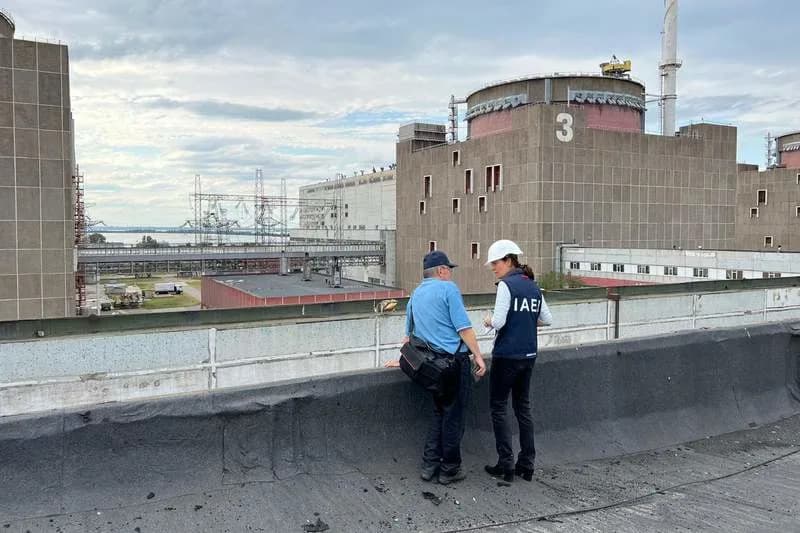
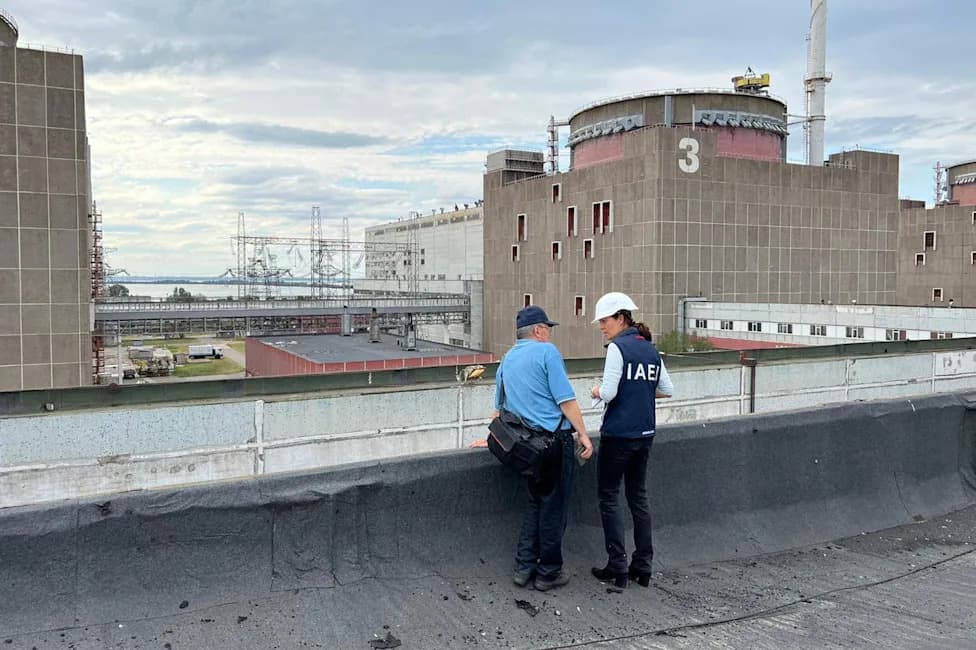
FILE PHOTO - The International Atomic Energy Agency (IAEA) experts arrive at the Zaporizhzhya nuclear power plant. IAEA is investigating reports of a suspected drone attack near the Russian-occupied Zaporizhzhya nuclear power plant in Ukraine. (is associated with: «IAEA says off-site power to Zaporizhzhya nuclear plant restored») D. Candano Laris/IAEA/dpa
The International Atomic Energy Agency (IAEA) said on Saturday that a major transmission line supplying the Zaporizhzhya nuclear power plant (ZNPP) in south-eastern Ukraine has been returned to service after a prolonged outage.
Off-site power was reconnected on Saturday morning following a roughly 15-hour interruption during which the site relied on emergency diesel generators to keep cooling systems operating for all six reactors, which remain shut down for safety reasons.
IAEA Director General Rafael Grossi described the disruption as "one of the longest losses of off-site power" and said it was the 18th such event at the plant since Russia's full-scale invasion of Ukraine began in February 2022.
Grossi warned that the outage underlines the fragility of the local electricity grid and emphasized the urgent need to carry out planned repairs to power lines. The agency said those repairs should be completed under the protection of an IAEA-brokered localized ceasefire, which came into force on Friday to permit safe access for technicians.
The IAEA stressed that restoring the transmission line was necessary to reduce the risk of a nuclear accident by ensuring a stable supply of electricity for essential cooling systems.
Background
Zaporizhzhya is Europe’s largest nuclear power plant, with six reactors and an installed capacity of about 6,000 megawatts. Russian forces seized the facility soon after Moscow launched its full-scale invasion of Ukraine in 2022. Although its reactors are shut down, the plant continues to require reliable external power to maintain cooling and safety systems.
Kiev and Moscow have repeatedly accused one another of shelling the site, increasing concerns about the plant’s safety and the vulnerability of the surrounding electrical infrastructure.
Why it matters: Repeated losses of off-site power raise the risk of cascading failures that could compromise cooling systems. The IAEA’s oversight and the temporary ceasefire aim to reduce those risks while enabling necessary repairs.
Help us improve.