
The US says it intercepted multiple Iranian missiles and shot down attack drones headed for the Strait of Hormuz, while US forces struck coastal radar sites in Iran. CENTCOM reported seven ballistic missiles were launched toward Kuwait and Bahrain; six were intercepted and one did not reach its target. The IRGC framed its actions as retaliation and said it fired on four tankers. Separately, Israeli strikes in southern Lebanon killed several Lebanese soldiers amid ongoing clashes with Hezbollah.
US Intercepts Iranian Missiles and Drones as Israel Escalates Strikes in Southern Lebanon
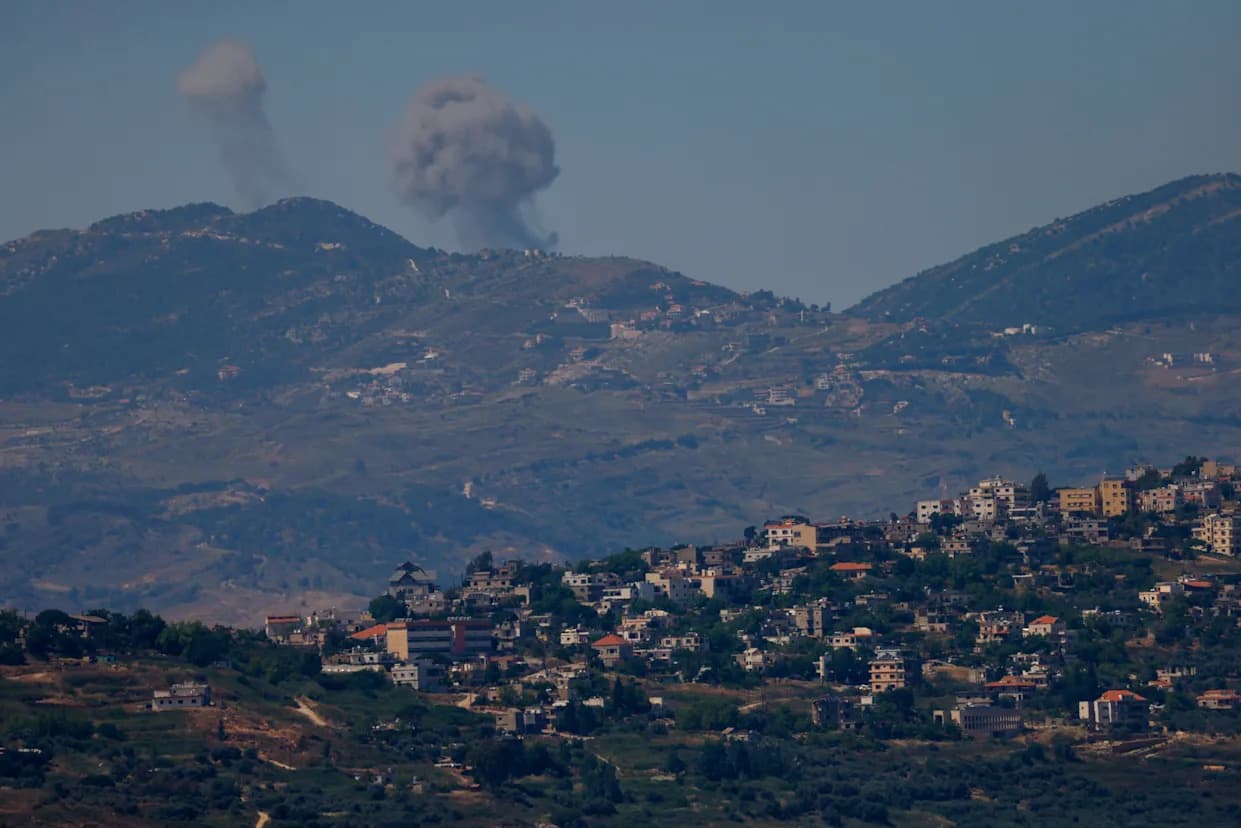
Smoke rises following an Israeli bombardment in southern Lebanon as seen from a position across the border in the Upper Galilee, in northern Israel on June 5, 2026 [AFP]
The United States says it intercepted multiple Iranian ballistic missiles and attack drones fired toward the Strait of Hormuz and nearby Gulf waters, while US forces struck Iranian coastal radar sites as diplomatic talks between Washington and Tehran remain stalled.
What US forces say happened
US Central Command (CENTCOM) reported that seven ballistic missiles were launched toward Kuwait and Bahrain on Friday night. CENTCOM said six of the missiles were intercepted and a seventh failed to reach its target. Earlier, US forces shot down four Iranian attack drones that were launched toward the Strait of Hormuz.
US strikes also targeted Iranian coastal surveillance radar positions at Goruk on the mainland and on Qeshm Island, CENTCOM said, as part of efforts to blunt further attacks on shipping and regional forces.
Iran’s response
The Islamic Revolutionary Guard Corps (IRGC) said its operations were retaliation for previous US strikes and that it had fired on four tankers attempting to transit the largely closed waterway near the Strait of Hormuz. The IRGC framed the actions as strikes against US bases and interests in the region.
“This latest incident began when several oil tankers backed by the United States attempted to transit the Strait of Hormuz without coordinating with the IRGC,” reported Al Jazeera’s Tehran correspondent Almigdad Alruhaid, noting the IRGC described the moves as a warning to US forces in the region.
Diplomatic context
Washington and Tehran have been engaged in indirect talks aimed at securing an interim agreement to reduce hostilities, but negotiators remain far apart on core demands. Iran seeks sanctions waivers, access to frozen assets and relief from what it calls a US blockade on its ports. The United States is demanding the Strait of Hormuz be reopened and is pushing for concessions on Tehran’s nuclear programme.
Meanwhile in Lebanon
As US and Iranian forces exchange strikes, Israel has continued air operations in southern Lebanon. The Lebanese army said an Israeli strike hit a military vehicle on the Khardali–Nabatieh road, killing several soldiers, including an officer. The Lebanese armed forces have generally sought to avoid direct involvement in the cross-border fighting between Israel and Hezbollah.
The latest surge in violence between Hezbollah and Israel began in early March, with Hezbollah saying it was acting in support of Tehran. Iranian Foreign Minister Abbas Araghchi publicly rejected remarks attributed to Lebanese President Joseph Aoun that suggested Beirut was a bargaining chip for Iran during negotiations with the US; Araghchi wrote on X:
“Had Lebanon been [a] bargaining chip for Iran, we’d have a deal long ago. Save Lebanon from your real foe, Mr. President.”
Hezbollah deputy leader Naim Qassem also rejected a US-brokered ceasefire proposal between the Lebanese government and Israel earlier this week, saying it excluded Hezbollah and did not require an Israeli withdrawal from southern Lebanon.
Outlook
The situation remains volatile: military strikes and counterstrikes risk further escalation even as diplomats work on an interim agreement. Shipping through the Strait of Hormuz and security across the Gulf remain central flashpoints in the short-term outlook.
Help us improve.





















